
Alkyd resins are not acutely toxic in the cured film, but the question deserves an honest, technical answer. The real hazards of working with alkyds come from what is in the wet paint and how the chemistry behaves while it dries: the volatile organic compounds (VOCs) and hydrocarbon solvents in solvent-borne grades, the flammability of those solvents, and the exothermic auto-oxidation of the drying oils that can cause oil-soaked rags to spontaneously combust. The hardened alkyd polymer itself is stable and inert. With ventilation, correct PPE, and disciplined waste handling, every one of these risks is well understood and routinely managed in industrial coatings operations. This guide explains the safety profile in full, then covers the complete range of where alkyd resins are used and why they remain a workhorse binder for the global coatings industry.
What Are Alkyd Resins?
Alkyd resins are oil-modified polyesters. They are built by reacting a polyol (most commonly glycerol or pentaerythritol) with a dibasic acid or anhydride (classically phthalic anhydride, sometimes isophthalic or maleic) and a fatty acid or drying oil such as linseed oil, soya, or tall oil. The name itself is a contraction of alcohol and acid. That polyester backbone gives alkyds their durability, gloss retention, and excellent adhesion, while the fatty-acid portion controls how the film cures and how flexible it ends up. Because the raw materials are inexpensive and the chemistry is forgiving, alkyds have been a dominant binder in coatings for nearly a century.
In This Article
- Are Alkyds Toxic? The Real Safety Profile
- Oil Length: Long, Medium, and Short Oil Alkyds
- Architectural and Decorative Paints
- Industrial and Protective Coatings
- Primers and Undercoats
- Wood Finishes and Varnishes
- Marine and Metal Coatings
- Printing Inks
- Modified Alkyds and Waterborne Grades
- Frequently Asked Questions
Are Alkyds Toxic? The Real Safety Profile
The cured alkyd film is essentially inert. The hazards belong to the wet coating and to the curing reaction, and they fall into three categories.
Solvents and VOCs. Traditional solvent-borne alkyds are dissolved in hydrocarbon thinners such as mineral spirits, white spirit, or xylene. These solvents evaporate as the film dries and are the main source of inhalation exposure, headaches, and irritation in poorly ventilated spaces. They are also the reason solvent-borne alkyds carry meaningful VOC content and are subject to air-quality regulation in most markets.
Flammability. Those same petroleum-distillate solvents are flammable. Bulk alkyd paints and the solvents used to thin and clean them must be stored away from heat and ignition sources, in sealed containers, with the appropriate fire precautions for a flammable-liquids store.
Drying-oil exotherm and rag fires. This is the hazard most often underestimated. Alkyds cure by auto-oxidation of their unsaturated fatty acids, a reaction that releases heat. On a thin painted surface that heat dissipates harmlessly. But when a rag, paper filter, or pile of waste is saturated with alkyd paint or drying oil and bunched together, the heat cannot escape, the oxidation accelerates, and the mass can self-heat to its ignition point and spontaneously combust. This is a genuine, documented fire cause. The control is simple: lay used rags flat to dry in the open, soak them in water, or store them in a sealed metal container, and dispose of them properly.
None of this makes alkyds an exotic hazard. They are handled safely every day at industrial scale with standard controls: good ventilation, gloves and eye protection, respiratory protection for spray application, grounded flammable-storage practice, and correct waste disposal per local regulation. Always work to the supplier Safety Data Sheet for the specific grade.
Oil Length: Long, Medium, and Short Oil Alkyds
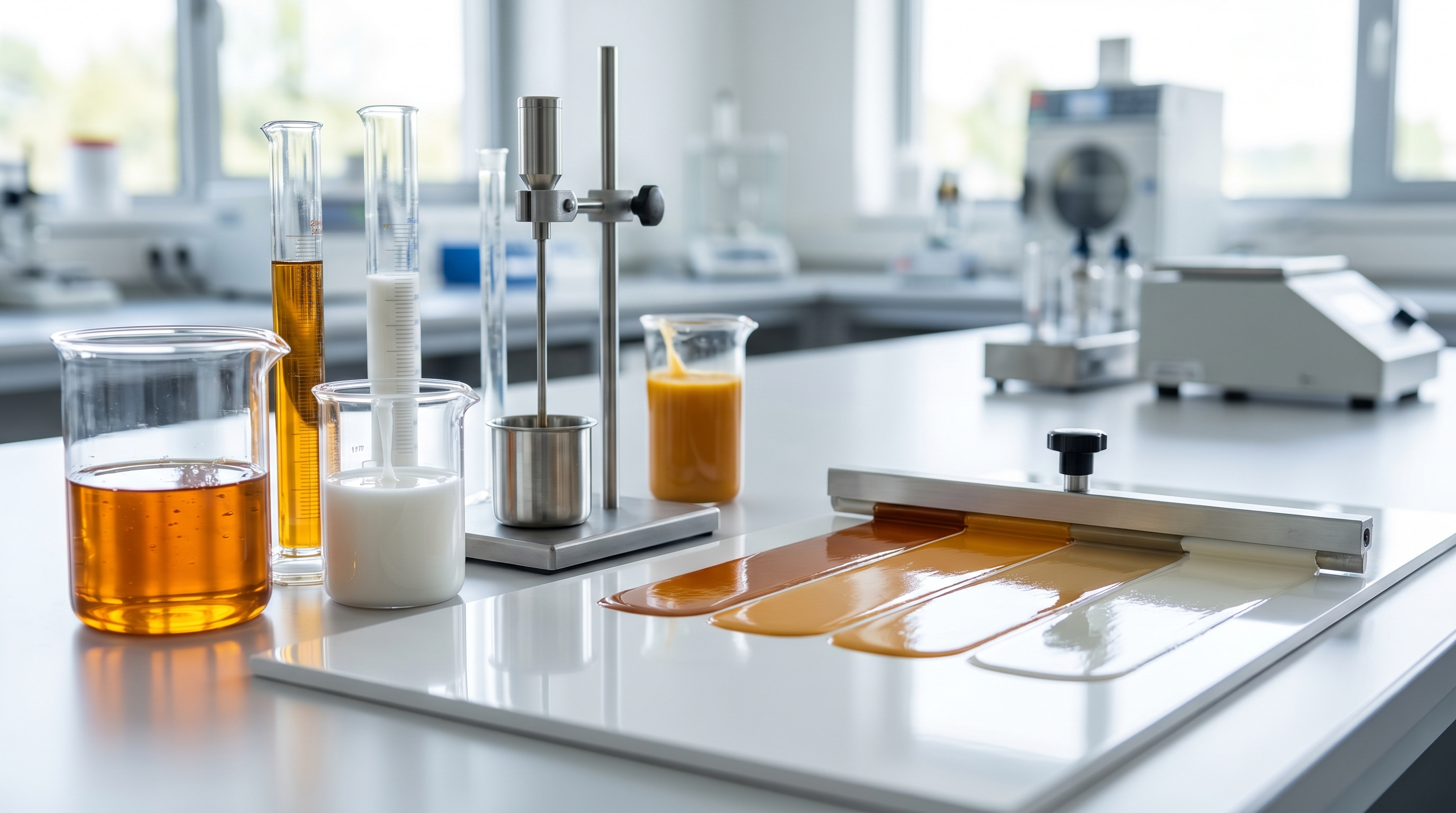
The single most important way to classify an alkyd is by its oil length — the percentage of the resin made up of fatty acid or oil. Oil length dictates drying behavior, solvent compatibility, flexibility, and the end use the resin is suited to. Getting the grade right is the difference between a coating that performs and one that fails in the field.
| Property | Long Oil (>60%) | Medium Oil (40–60%) | Short Oil (<40%) |
|---|---|---|---|
| Typical solvent | Aliphatic (mineral spirits) | Aliphatic / aromatic blend | Aromatic (xylene) |
| Cure | Air-dry, slower | Air-dry | Often force-dry / bake |
| Flexibility | High | Moderate | Lower, harder film |
| Durability / weathering | Best for exterior | Balanced | Best chemical & heat resistance |
| Typical use | Architectural & trim paints, brush enamels | General enamels, primers | Industrial baking enamels, metal coatings |
In short: long oil alkyds brush well and weather well, making them the binder for decorative and exterior work; short oil alkyds give the hardest, most resistant films and are aimed at industrial and baked metal finishes; medium oil alkyds sit between the two and cover most general-purpose enamels and primers.
Architectural and Decorative Paints
Long and medium oil alkyds are the traditional binders for solvent-borne decorative paints — gloss and semi-gloss trim enamels, exterior wood and metal finishes, and general-purpose enamels. They are prized for their flow and leveling, which produce a smooth, brush-mark-free finish, along with high gloss, good color retention, and forgiving application. For applicators who want an oil-based finish that lays down beautifully and holds up outdoors, alkyds remain hard to beat.
Industrial and Protective Coatings
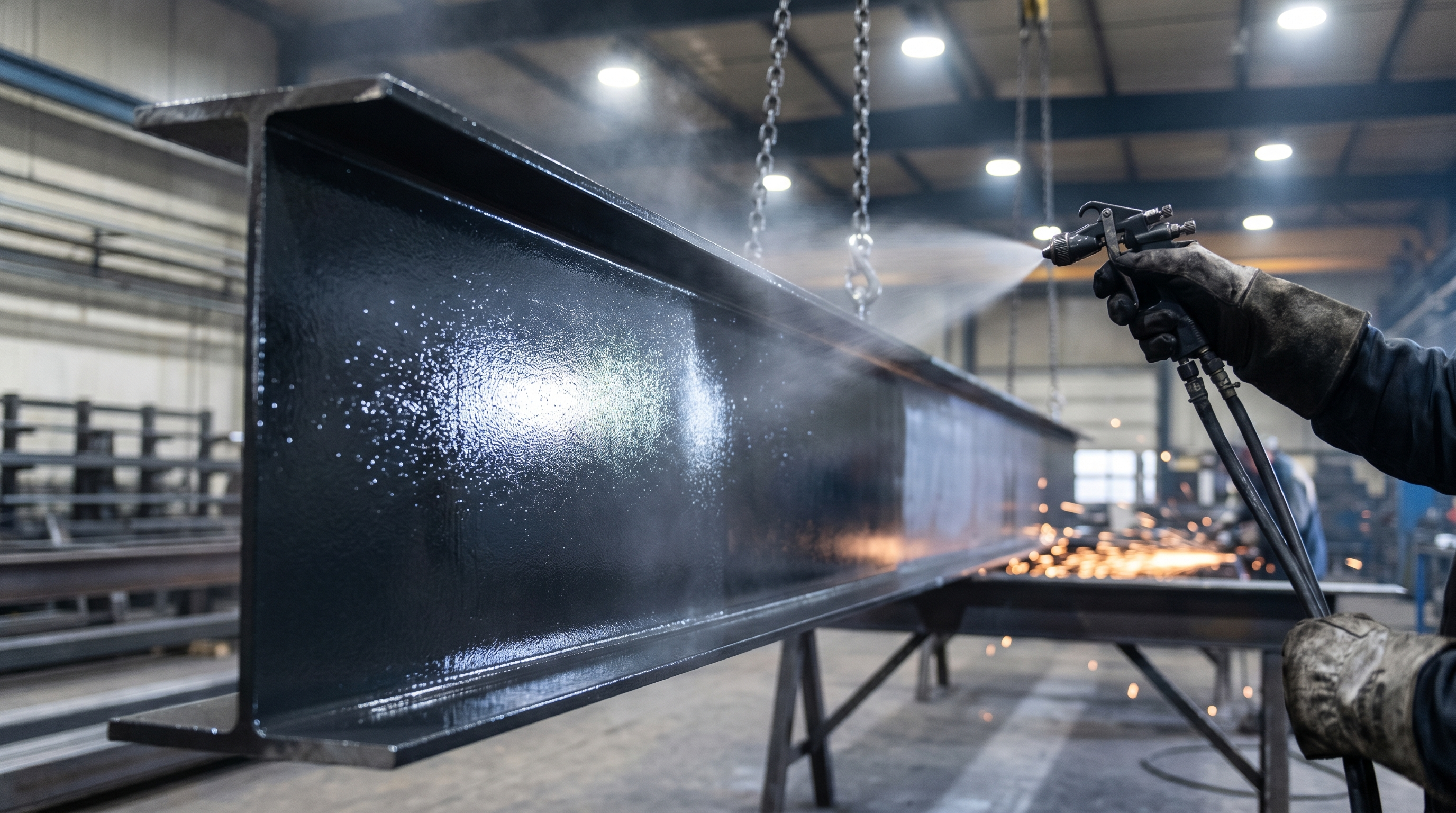
In industrial maintenance, alkyds are a cost-effective workhorse for protecting steel and equipment in mild to moderate environments. Their strong adhesion to metal, good wetting of imperfect surfaces, and ease of single-pack application make them a default choice for machinery, structural steel, tanks, and general plant coatings where the chemistry of the service environment is not aggressive. Short oil grades, often force-dried or baked, deliver the hard, chemical-resistant films used in factory-applied industrial finishes.
Primers and Undercoats
Alkyds are widely formulated into metal and wood primers. Their adhesion and penetration let them anchor to the substrate and form a sound foundation for topcoats, and they accept high pigment loadings of corrosion-inhibiting and sanding pigments. Medium oil alkyd primers and undercoats are a staple of both the decorative and light-industrial markets because they sand easily and bond well to subsequent coats.
Wood Finishes and Varnishes
Alkyd and alkyd-modified varnishes are a classic clear finish for wood. The drying-oil chemistry penetrates and seals the grain, then cures to a durable, warm-toned film with good build and clarity. Floor varnishes, furniture finishes, and trim varnishes frequently rely on alkyd binders, often blended with other resins to tune hardness and yellowing resistance.
Marine and Metal Coatings
Alkyds have a long history above the waterline in marine and protective metal coatings — deck enamels, topside finishes, and general marine paints — where their gloss, recoatability, and adhesion to steel are valued. They are not the binder of choice for permanent immersion or severely corrosive service, where epoxies and other chemistries take over, but for atmospheric-exposure steelwork they offer a practical, economical, easily maintained finish.
Printing Inks
Beyond paints, alkyds serve as binders and vehicles in printing inks, particularly for offset and other oil-based ink systems. The resin carries the pigment, controls flow and tack on the press, and sets to a tough film on the substrate. The same oxidative-cure chemistry that dries a paint film is what sets many alkyd-based inks.
Modified Alkyds and Waterborne Grades
Base alkyd chemistry is routinely modified to extend its performance. Styrenated and acrylic-modified alkyds dry faster and harder; silicone-modified alkyds improve heat and weather resistance; urethane (uralkyd) alkyds add abrasion resistance for floor and porch finishes; phenolic-modified grades boost water and chemical resistance. Each modification targets a property the base resin lacks.
The most significant shift has been toward waterborne alkyds — water-reducible alkyds and alkyd emulsions — developed to cut solvent and VOC content while keeping the application feel and finish that formulators value in alkyds. These lower-VOC systems reduce solvent emissions and allow water clean-up. They are an answer to tightening air-quality regulation rather than a different binder, and solvent-borne grades still hold an edge in some weathering, corrosion, and shelf-stability metrics, so grade selection remains application-specific.
Frequently Asked Questions
Are alkyd paints toxic once dry?
The fully cured alkyd film is stable and inert; the toxicity and exposure concerns relate to the wet paint, specifically the solvents and VOCs that evaporate while it dries. Provide ventilation during application and curing, and follow the product Safety Data Sheet.
Why can rags soaked in alkyd paint catch fire on their own?
Alkyds cure by oxidation of their drying oils, a reaction that gives off heat. A bunched, oil-soaked rag traps that heat instead of dissipating it, the reaction accelerates, and the rag can self-heat to ignition. Lay used rags flat to dry, soak them in water, or seal them in a metal container.
What is the difference between long, medium, and short oil alkyds?
Oil length is the fatty-acid content of the resin. Long oil alkyds (over 60%) air-dry, flex, and weather well for decorative and exterior use; medium oil grades are general-purpose; short oil alkyds (under 40%) form harder, more resistant films and are used in industrial and baked metal finishes.
Are waterborne alkyds less hazardous than solvent-borne ones?
Waterborne and water-reducible alkyds carry lower VOC content and allow water clean-up, which reduces solvent emissions and exposure. They are accurately described as lower-VOC, not as non-toxic or eco-friendly; they still cure by oxidation and warrant the same rag-disposal discipline, and grade selection depends on the performance the job demands.
Source Alkyd Resins and Coating Raw Materials in Bulk
Request a quote or send your specification and target volume, and we will get back to you with availability and pricing.
Search 1,300+ industrial chemicals by name or CAS, or send us your spec — we quote by the drum, tote, or container.
Browse the Chemical Index → Request a Quote