
ISOPROPYLAMINE- ▸Technical data sheet: on request
- ▸Safety data sheet: on request
- ▸Certificate of analysis: issued per lot with each shipment
- ▸ Chemical intermediate: building block for dyes and rubber additives
- ▸ Agrochemical synthesis: precursor for herbicide and pesticide actives
- ▸ Surfactant synthesis: intermediate for surface-active agents
- ▸ Solvent: process solvent in organic chemistry
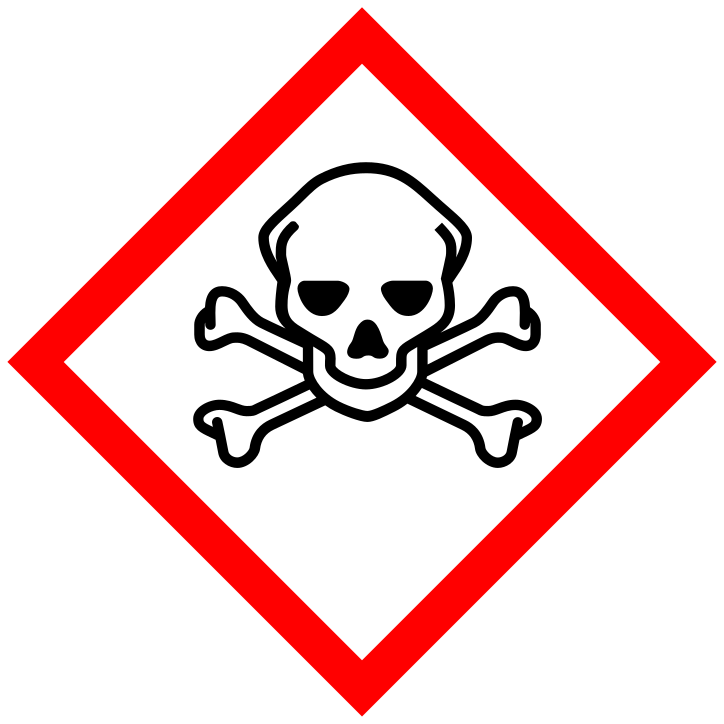
GHS06
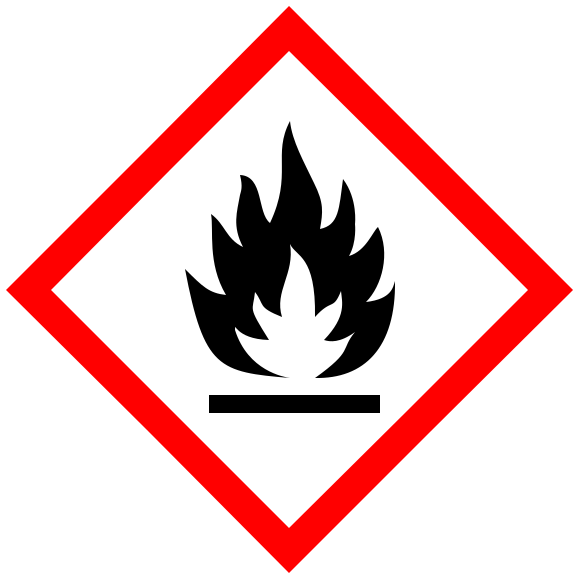
GHS02
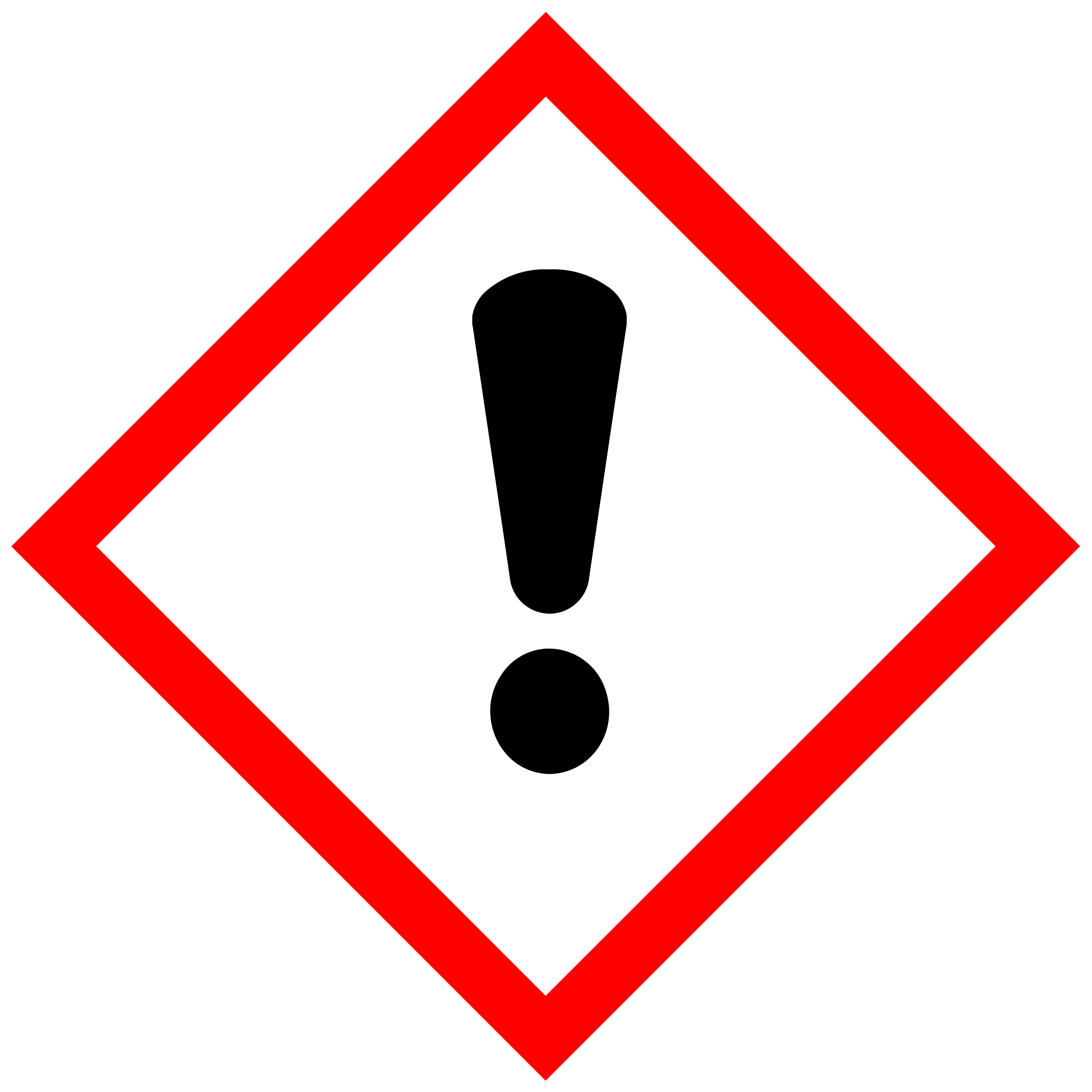
GHS07
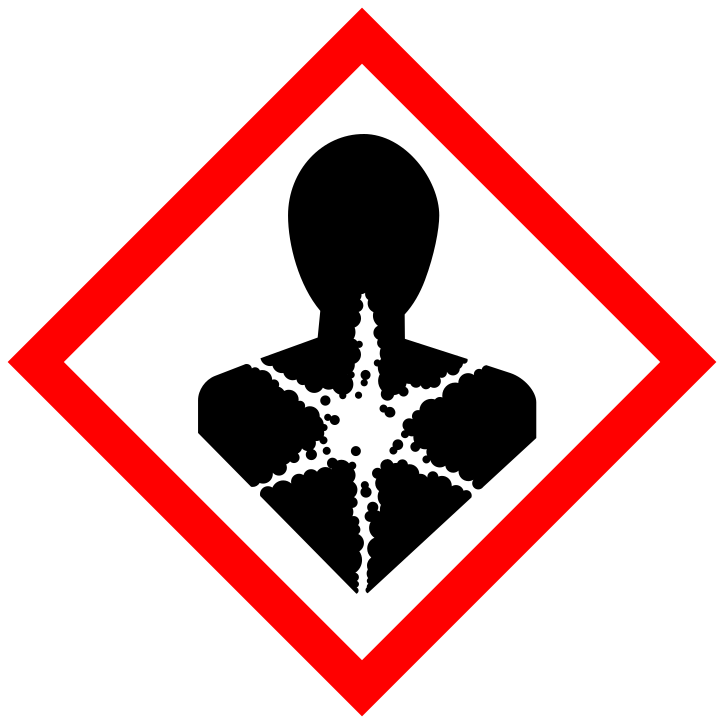
GHS08
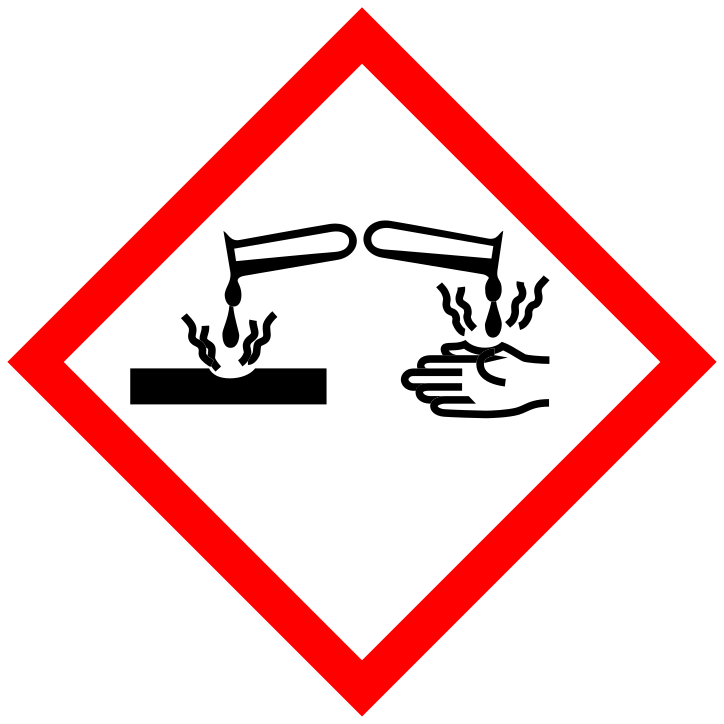
GHS05
- H370: Causes damage to organs [Danger Specific target organ toxicity, single exposure]
- H224 (99.9%): Extremely flammable liquid and vapor [Danger Flammable liquids]
- H402: Harmful to aquatic life [Hazardous to the aquatic environment, acute hazard]
- H319 (82.6%): Causes serious eye irritation [Warning Serious eye damage/eye irritation]
- H302: Harmful if swallowed [Warning Acute toxicity, oral]
- H301 (43.7%): Toxic if swallowed [Danger Acute toxicity, oral]
- H315: Causes skin irritation [Warning Skin corrosion/irritation]
- H335: May cause respiratory irritation [Warning Specific target organ toxicity, single exposure; Respiratory tract irritation]
- H331: Toxic if inhaled [Danger Acute toxicity, inhalation]
- H311: Toxic in contact with skin [Danger Acute toxicity, dermal]
- H373: May causes damage to organs through prolonged or repeated exposure [Warning Specific target organ toxicity, repeated exposure]
- H318: Causes serious eye damage [Danger Serious eye damage/eye irritation]
- H336: May cause drowsiness or dizziness [Warning Specific target organ toxicity, single exposure; Narcotic effects]
- H333: May be harmful if inhaled [Warning Acute toxicity, inhalation]
- H314 (17.4%): Causes severe skin burns and eye damage [Danger Skin corrosion/irritation]
- H301+H311+H331 (16.7%): Toxic if swallowed, in contact with skin or if inhaled [Danger Acute toxicity, oral; acute toxicity, dermal; acute toxicity, inhalation]
- H332: Harmful if inhaled [Warning Acute toxicity, inhalation]
- H305: May be harmful if swallowed and enters airways [Warning Aspiration hazard]
Precautionary statement codes: P210, P233, P240, P241, P242, P243, P260, P261, P262, P264, P264+P265, P270, P271, P280, P301+P316, P302+P352, P303+P361+P353, P304+P340, P305+P354+P338, P308+P316, P316, P317, P319, P321, P330, P331, P332+P317, P361+P364, P362+P364, P370+P378, P403+P235, P405, P501, P305+P351+P338, P337+P317, P403+P233, P301+P317, P301+P330+P331, P302+P361+P354, P363, P273, P304+P317
Source: PubChem, compound CID 6363, Safety and Hazards: GHS Classification
A grade-specific Safety Data Sheet (SDS) — with the complete hazard classification, handling precautions, and transport information — is supplied with every shipment and available on request. Confirm all safety and regulatory details against the SDS for your specific grade.
Request SDS →
UN number source: PubChem, compound CID 6363, Transport Information. Class, packing group and proper shipping name: 49 CFR 172.101 Hazardous Materials Table. Confirm against the grade-specific SDS (Section 14) before shipping.
Isopropylamine (2-aminopropane, CAS 75-31-0) is a primary acyclic amine. It is used as a solvent and as an intermediate in the synthesis of agrochemicals, dyes, rubber additives, surfactants, and other organic chemicals.
Regulatory & registration requirements
- TSCA (US):
- REACH (EU):
- EC number: 200-860-9
Source: EPA TSCA Inventory (July 2025 release) · ECHA CHEM — retrieved 2026-07-12
Frequently Asked Questions
What is isopropylamine used for?
Isopropylamine (2-aminopropane, CAS 75-31-0) is a primary acyclic amine used as a solvent and as an intermediate in the synthesis of agrochemicals, dyes, rubber additives, and surfactants. It is a building block for herbicide and pesticide actives and other organic chemicals. We supply it as a bulk amine intermediate.
Is isopropylamine salt the same as glyphosate?
No. Glyphosate is a separate herbicide active; the isopropylamine salt of glyphosate is a formulated salt form in which isopropylamine acts as the counter-ion to improve solubility. Isopropylamine itself (CAS 75-31-0) is the amine intermediate, not glyphosate. We supply the amine, not formulated herbicide.
What is an isopropylamine?
Isopropylamine is a primary acyclic amine with formula C3H9N, also called 2-aminopropane, in which an amine group is attached to a propane backbone. It is a basic, reactive intermediate used in agrochemical, dye, surfactant, and rubber-additive synthesis.
How does isopropylamine ship under DOT and what is its UN number?
Isopropylamine ships under UN 1221 (ISOPROPYLAMINE). Transport classification, packaging, and handling follow the SDS and applicable transport regulations, which we provide with each shipment.
How is isopropylamine supplied in bulk and what is the cost?
We supply isopropylamine in bulk packaging such as drums, IBC totes, and tankers, with a CoA and SDS per lot; the HS code is 2921.19. Pricing depends on volume and packaging, so request a current bulk quote with your quantity and ship-to.
What is the REACH and TSCA regulatory status of Isopropylamine (2-Aminopropane)?
Isopropylamine (2-Aminopropane) (CAS 75-31-0) is subject to U.S. TSCA Inventory requirements; supplying it into the EU requires valid REACH registration ((EC) No 1907/2006). Buyers should require documented TSCA and REACH compliance for their jurisdiction and volume (EC 200-860-9).
What is the molecular formula of Isopropylamine?
The molecular formula of Isopropylamine is C3H9N.
What is the CAS number of Isopropylamine?
The CAS number of Isopropylamine is 75-31-0.