
ISOPROPYLAMINE- ▸Technical data sheet: on request
- ▸Safety data sheet: on request
- ▸Certificate of analysis: issued per lot with each shipment
- ▸ Chemisches Zwischenprodukt: Baustein für Farbstoffe und Kautschukadditive
- ▸ Agrochemische Synthese: Vorprodukt für Herbizid- und Pestizidwirkstoffe
- ▸ Tensidsynthese: Zwischenprodukt für oberflächenaktive Substanzen
- ▸ Lösungsmittel: Prozesslösungsmittel in der organischen Chemie
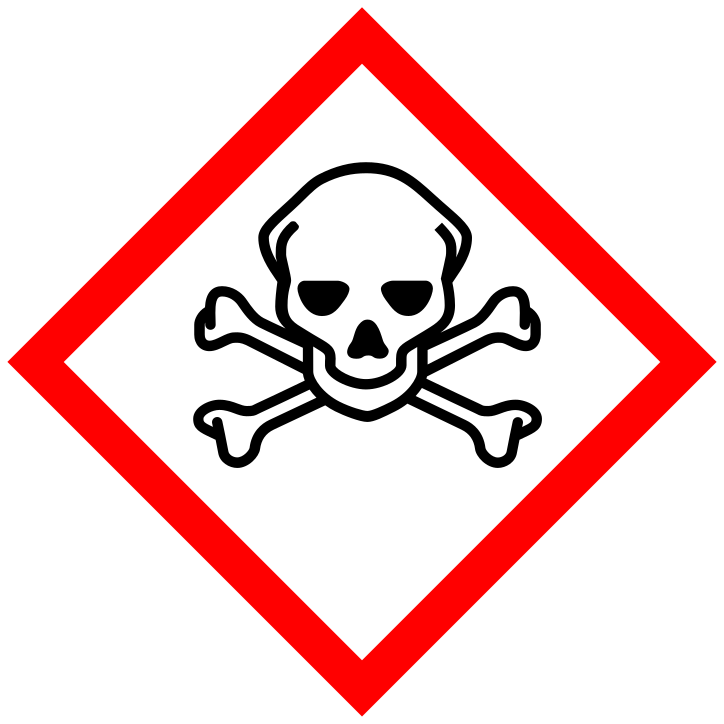
GHS06
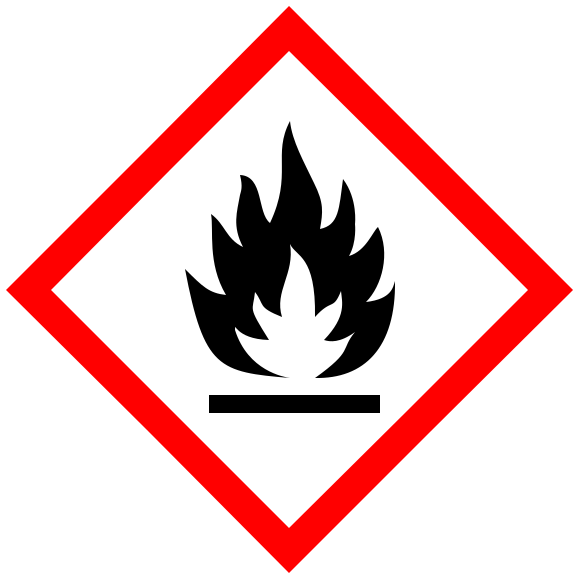
GHS02
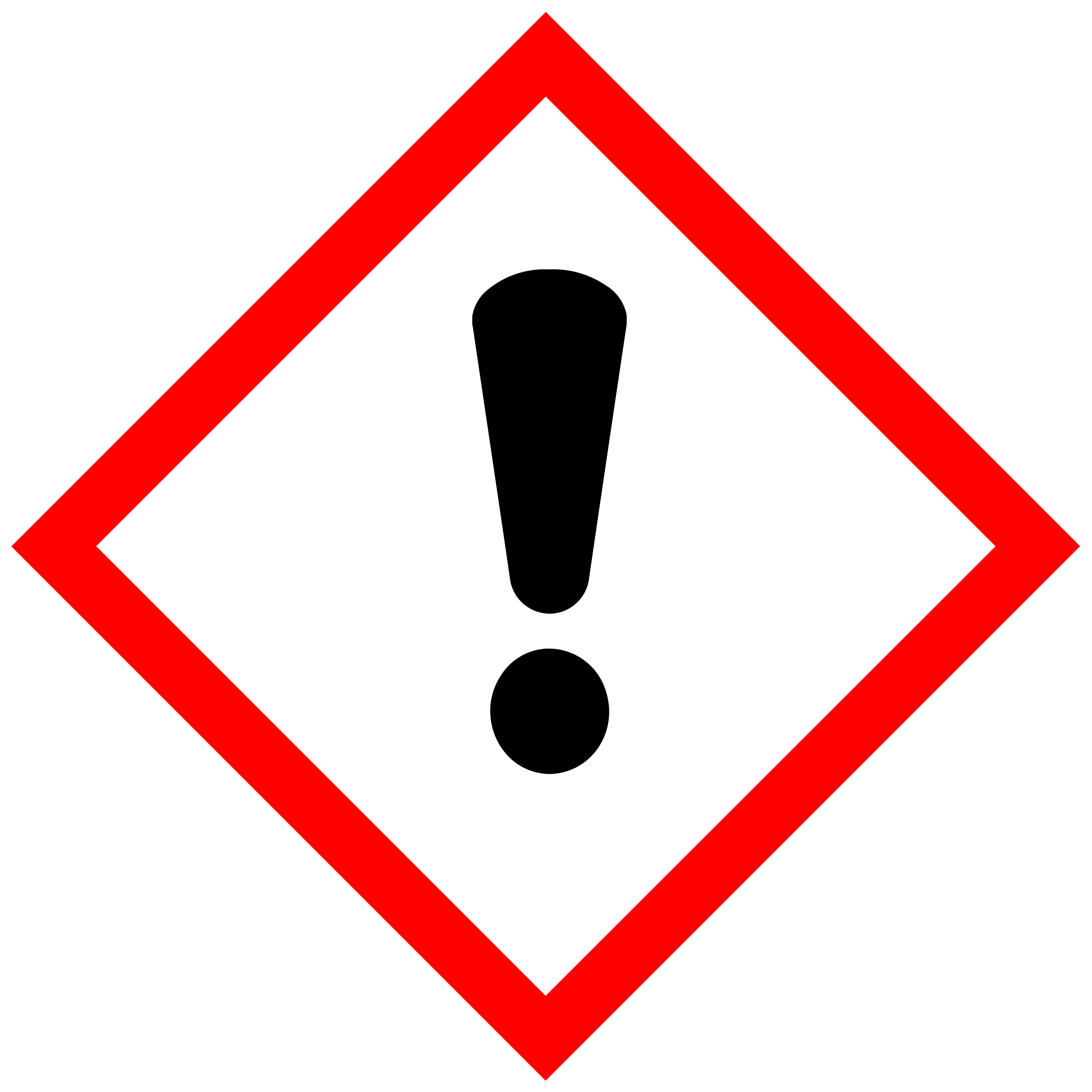
GHS07
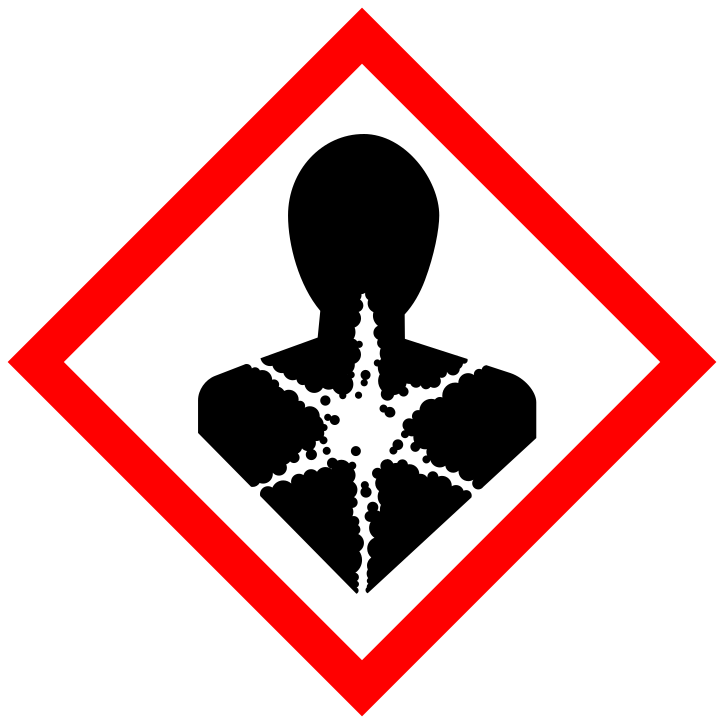
GHS08
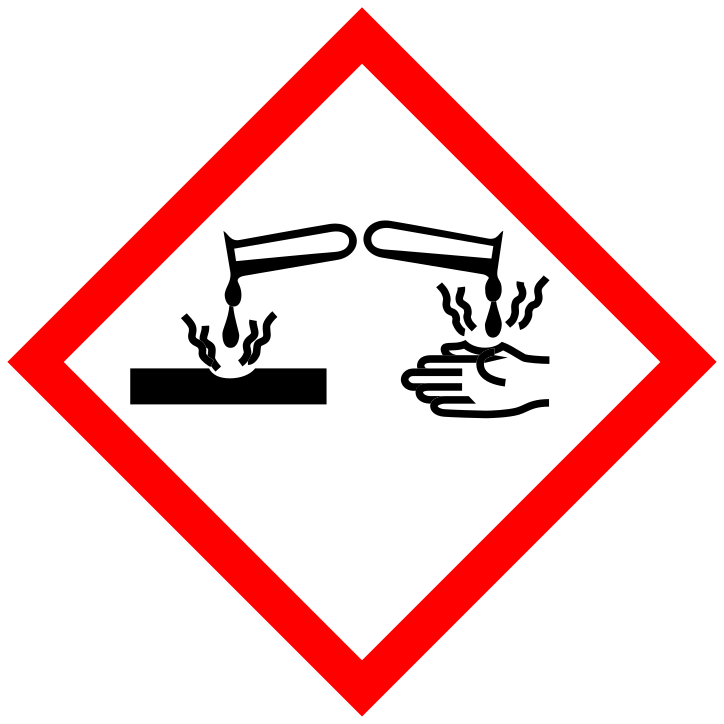
GHS05
- H370: Causes damage to organs [Danger Specific target organ toxicity, single exposure]
- H224 (99.9%): Extremely flammable liquid and vapor [Danger Flammable liquids]
- H402: Harmful to aquatic life [Hazardous to the aquatic environment, acute hazard]
- H319 (82.6%): Causes serious eye irritation [Warning Serious eye damage/eye irritation]
- H302: Harmful if swallowed [Warning Acute toxicity, oral]
- H301 (43.7%): Toxic if swallowed [Danger Acute toxicity, oral]
- H315: Causes skin irritation [Warning Skin corrosion/irritation]
- H335: May cause respiratory irritation [Warning Specific target organ toxicity, single exposure; Respiratory tract irritation]
- H331: Toxic if inhaled [Danger Acute toxicity, inhalation]
- H311: Toxic in contact with skin [Danger Acute toxicity, dermal]
- H373: May causes damage to organs through prolonged or repeated exposure [Warning Specific target organ toxicity, repeated exposure]
- H318: Causes serious eye damage [Danger Serious eye damage/eye irritation]
- H336: May cause drowsiness or dizziness [Warning Specific target organ toxicity, single exposure; Narcotic effects]
- H333: May be harmful if inhaled [Warning Acute toxicity, inhalation]
- H314 (17.4%): Causes severe skin burns and eye damage [Danger Skin corrosion/irritation]
- H301+H311+H331 (16.7%): Toxic if swallowed, in contact with skin or if inhaled [Danger Acute toxicity, oral; acute toxicity, dermal; acute toxicity, inhalation]
- H332: Harmful if inhaled [Warning Acute toxicity, inhalation]
- H305: May be harmful if swallowed and enters airways [Warning Aspiration hazard]
Precautionary statement codes: P210, P233, P240, P241, P242, P243, P260, P261, P262, P264, P264+P265, P270, P271, P280, P301+P316, P302+P352, P303+P361+P353, P304+P340, P305+P354+P338, P308+P316, P316, P317, P319, P321, P330, P331, P332+P317, P361+P364, P362+P364, P370+P378, P403+P235, P405, P501, P305+P351+P338, P337+P317, P403+P233, P301+P317, P301+P330+P331, P302+P361+P354, P363, P273, P304+P317
Source: PubChem, compound CID 6363, Safety and Hazards: GHS Classification
Das sortenspezifische Sicherheitsdatenblatt (SDS) — mit vollständiger Gefahreneinstufung, Handhabungshinweisen und Transportinformationen — liegt jeder Lieferung bei und ist auf Anfrage erhältlich. Prüfen Sie alle Sicherheits- und Zulassungsangaben anhand des SDS für Ihre spezifische Sorte.
SDS anfordern →
UN number source: PubChem, compound CID 6363, Transport Information. Class, packing group and proper shipping name: 49 CFR 172.101 Hazardous Materials Table. Confirm against the grade-specific SDS (Section 14) before shipping.
Isopropylamin (2-Aminopropan, CAS 75-31-0) ist ein primäres acyclisches Amin. Es wird als Lösungsmittel und als Zwischenprodukt bei der Synthese von Agrochemikalien, Farbstoffen, Kautschukadditiven, Tensiden und anderen organischen Chemikalien eingesetzt.
Regulatorische & Registrierungsanforderungen
- TSCA (US):
- REACH (EU):
- EC-Nummer: 200-860-9
Quelle: EPA TSCA Inventory (Release Juli 2025) · ECHA CHEM — abgerufen am 12.07.2026
Häufig gestellte Fragen
Wofür wird Isopropylamin verwendet?
Isopropylamin (2-Aminopropan, CAS 75-31-0) ist ein primäres acyclisches Amin, das als Lösungsmittel und als Zwischenprodukt bei der Synthese von Agrochemikalien, Farbstoffen, Kautschukadditiven und Tensiden dient. Es ist ein Baustein für Herbizid- und Pestizid-Wirkstoffe sowie andere organische Chemikalien. Wir liefern es als Bulk-Amin-Zwischenprodukt.
Ist Isopropylamin-Salz dasselbe wie Glyphosat?
Nein. Glyphosat ist ein separater Herbizid-Wirkstoff; das Isopropylamin-Salz von Glyphosat ist eine formulierte Salzform, bei der Isopropylamin als Gegenion zur Verbesserung der Löslichkeit fungiert. Isopropylamin selbst (CAS 75-31-0) ist das Amin-Zwischenprodukt, nicht Glyphosat. Wir liefern das Amin, nicht das formulierte Herbizid.
Was ist ein Isopropylamin?
Isopropylamin ist ein primäres acyclisches Amin mit der Formel C3H9N, auch 2-Aminopropan genannt, bei dem eine Aminogruppe an ein Propan-Grundgerüst gebunden ist. Es ist ein basisches, reaktives Zwischenprodukt, das in der Agrochemie, bei Farbstoffen, Tensiden und Kautschukadditiven eingesetzt wird.
Wie wird Isopropylamin unter DOT versandt und was ist seine UN-Nummer?
Isopropylamin wird unter UN 1221 (ISOPROPYLAMINE) versandt. Transportklassifizierung, Verpackung und Handhabung erfolgen gemäß SDB und geltenden Transportvorschriften, die wir jeder Lieferung beifügen.
Wie wird Isopropylamin in Bulk geliefert und was kostet es?
Wir liefern Isopropylamin in Bulk-Verpackungen wie Fässern, IBC-Containern und Tankwagen, mit CoA und SDB pro Charge; der HS-Code ist 2921.19. Die Preisgestaltung hängt von Menge und Verpackung ab – fordern Sie daher ein aktuelles Bulk-Angebot mit Ihrer gewünschten Menge und Lieferadresse an.
Was ist der REACH- und TSCA-Regulierungsstatus von Isopropylamin (2-Aminopropan)?
Isopropylamin (2-Aminopropan) (CAS 75-31-0) unterliegt den Anforderungen des U.S. TSCA Inventory; die Lieferung in die EU erfordert eine gültige REACH-Registrierung ((EG) Nr. 1907/2006). RawSource kann Registrierungen von Drittlieferanten nicht verifizieren – Käufer sollten für ihren Zuständigkeitsbereich und ihre Menge dokumentierte TSCA- und REACH-Konformität verlangen (EC 200-860-9).