
What is trimethylamine (TMA) and what is it used for?
Trimethylamine (TMA, CAS 75-50-3) is a high-reactivity tertiary amine feedstock. It is used mainly as a building block for choline salts and for quaternary-ammonium surfactants and biocidal intermediates, as a natural-gas odorant, and as a flotation collector in mineral processing.
- ▸Technical data sheet: on request
- ▸Safety data sheet: on request
- ▸Certificate of analysis: issued per lot with each shipment
- ▸ Quaternary ammonium synthesis: Precursor to quat surfactants and biocidal intermediates
- ▸ Choline production: Raw material for choline salts
- ▸ Gas odorization: Warning agent added to natural gas
- ▸ Mineral flotation: Collector/flotation agent in ore processing
- ▸ Disinfectant manufacture: Intermediate in disinfectant production
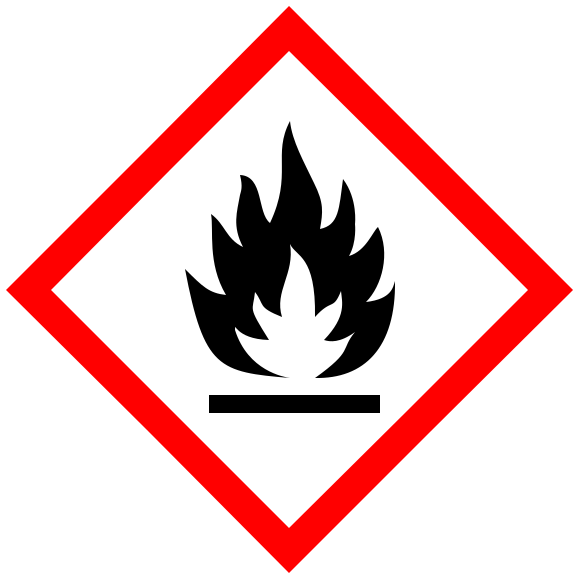
GHS02

GHS07
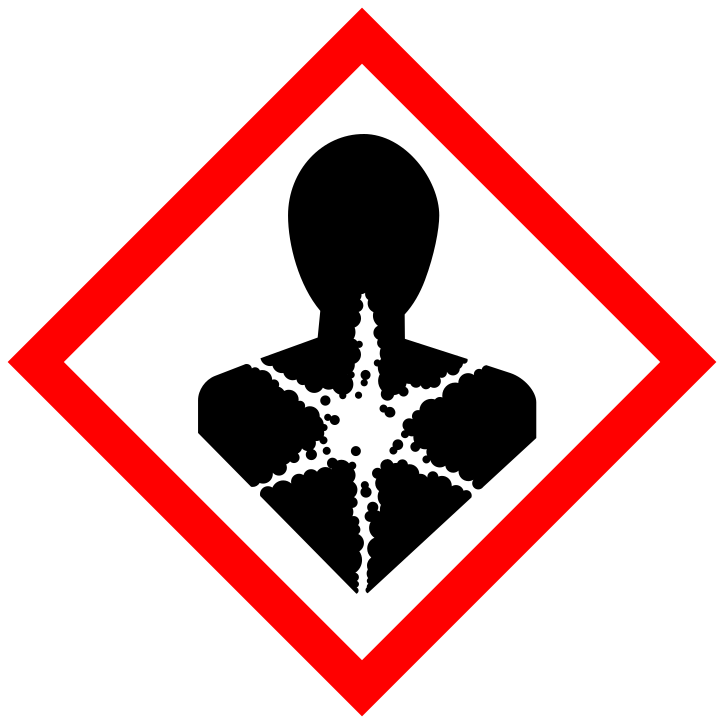
GHS08
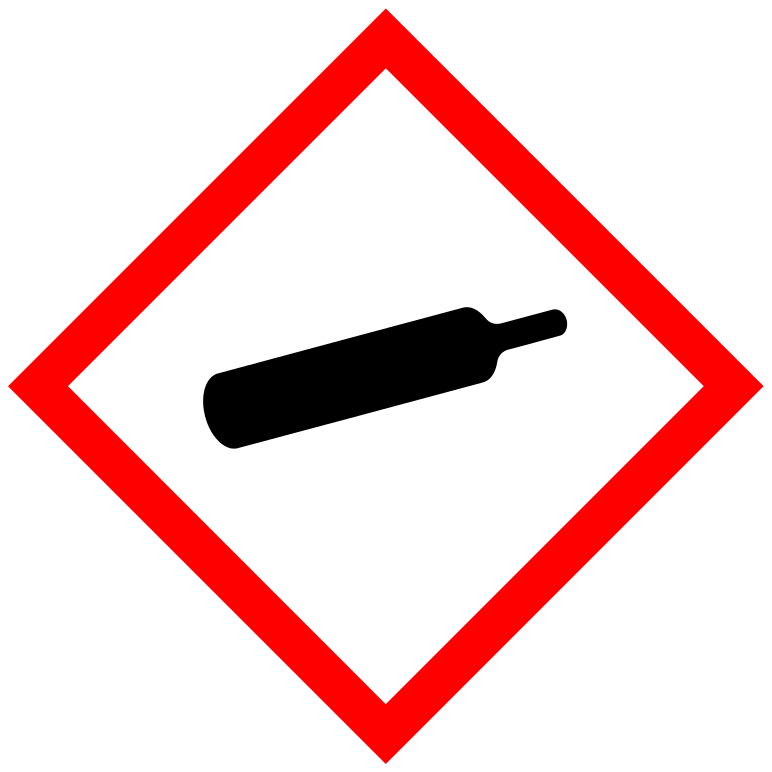
GHS04
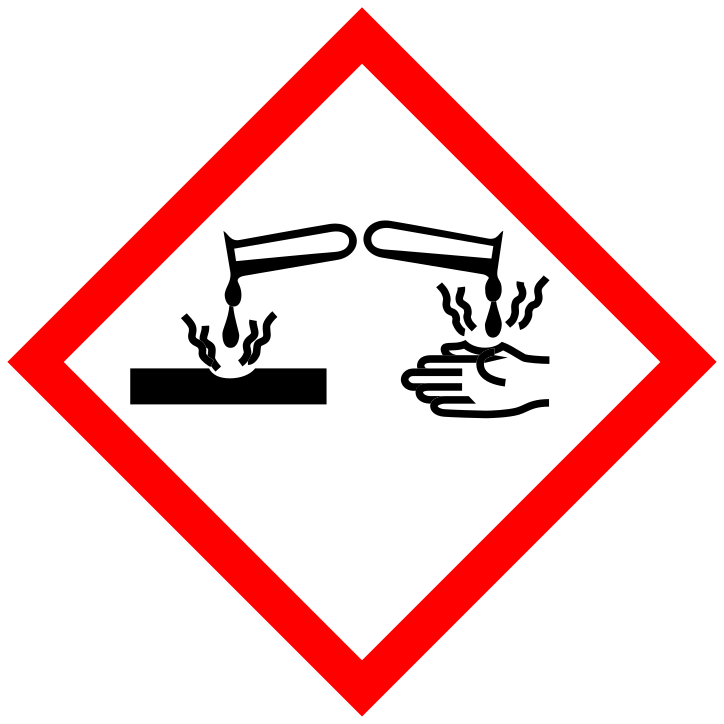
GHS05
- H335 (36.5%): May cause respiratory irritation [Warning Specific target organ toxicity, single exposure; Respiratory tract irritation]
- H332 (> 99.9%): Harmful if inhaled [Warning Acute toxicity, inhalation]
- H220 (21.8%): Extremely flammable gas [Danger Flammable gases]
- H402: Harmful to aquatic life [Hazardous to the aquatic environment, acute hazard]
- H302: Harmful if swallowed [Warning Acute toxicity, oral]
- H320: Causes eye irritation [Warning Serious eye damage/eye irritation]
- H280: Contains gas under pressure; may explode if heated [Warning Gases under pressure]
- H315: Causes skin irritation [Warning Skin corrosion/irritation]
- H373: May causes damage to organs through prolonged or repeated exposure [Warning Specific target organ toxicity, repeated exposure]
- H318: Causes serious eye damage [Danger Serious eye damage/eye irritation]
- H224 (78.1%): Extremely flammable liquid and vapor [Danger Flammable liquids]
- H314 (77%): Causes severe skin burns and eye damage [Danger Skin corrosion/irritation]
- H372: Causes damage to organs through prolonged or repeated exposure [Danger Specific target organ toxicity, repeated exposure]
- H371: May cause damage to organs [Warning Specific target organ toxicity, single exposure]
Precautionary statement codes: P203, P210, P222, P261, P264, P264+P265, P270, P271, P280, P301+P317, P302+P352, P304+P340, P305+P354+P338, P317, P319, P321, P330, P332+P317, P362+P364, P377, P381, P403, P403+P233, P405, P410+P403, P501, P260, P301+P330+P331, P302+P361+P354, P305+P351+P338, P316, P337+P317, P363, P273, P308+P316, P233, P240, P241, P242, P243, P303+P361+P353, P370+P378, P403+P235
Source: PubChem, compound CID 1146, Safety and Hazards: GHS Classification
A grade-specific Safety Data Sheet (SDS) — with the complete hazard classification, handling precautions, and transport information — is supplied with every shipment and available on request. Confirm all safety and regulatory details against the SDS for your specific grade.
Request SDS →
UN number source: PubChem, compound CID 1146, Transport Information. Class, packing group and proper shipping name: 49 CFR 172.101 Hazardous Materials Table. Confirm against the grade-specific SDS (Section 14) before shipping.
Trimethylamine (CAS 75-50-3) is the simplest tertiary aliphatic amine, supplied as a compressed gas or as anhydrous/aqueous solutions. It serves primarily as a building block in organic synthesis – notably for choline salts and quaternary ammonium compounds – and as an odorant warning agent for natural gas. Additional documented roles include use as a flotation agent and in the manufacture of disinfectants.
Regulatory & registration requirements
- TSCA (US):
- REACH (EU):
- EC number: 200-875-0
Source: EPA TSCA Inventory (July 2025 release) · ECHA CHEM — retrieved 2026-07-12
Frequently Asked Questions
What is trimethylamine used for?
Trimethylamine (TMA, CAS 75-50-3) is the simplest tertiary aliphatic amine and is used primarily as a building block in organic synthesis. Major applications include the production of choline salts and quaternary ammonium compounds (quat surfactants and biocidal intermediates), use as a flotation collector in ore processing, and as a warning odorant in natural gas.
What is the chemical formula of trimethylamine?
Its molecular formula is C3H9N, structure (CH3)3N. It is supplied either as a compressed liquefied gas (anhydrous) or as aqueous solutions, depending on the application and handling requirements.
How is trimethylamine supplied and shipped in bulk?
Anhydrous trimethylamine is a liquefied compressed gas and ships under UN 1083 (Trimethylamine, anhydrous); aqueous solutions are handled separately. Bulk supply is in pressurized cylinders, ISO containers, or as drummed/totes of aqueous solution. Review the SDS for the as-supplied form before specifying packaging.
What is the CAS number for trimethylamine?
The CAS number is 75-50-3. The IUPAC name is N,N-dimethylmethanamine, and it is commonly abbreviated TMA.
What is the HS code for trimethylamine?
Trimethylamine and its salts are classified under HS 2921.11 (mono-, di- or trimethylamine and their salts). Confirm the exact subheading with your broker based on whether the shipment is anhydrous or an aqueous solution.
What is the REACH and TSCA regulatory status of Trimethylamine (TMA)?
Trimethylamine (TMA) (CAS 75-50-3) is subject to U.S. TSCA Inventory requirements; supplying it into the EU requires valid REACH registration ((EC) No 1907/2006). Buyers should require documented TSCA and REACH compliance for their jurisdiction and volume (EC 200-875-0).
What is the molecular weight of Trimethylamine?
The molecular weight of Trimethylamine is 59.11 g/mol (PubChem).