
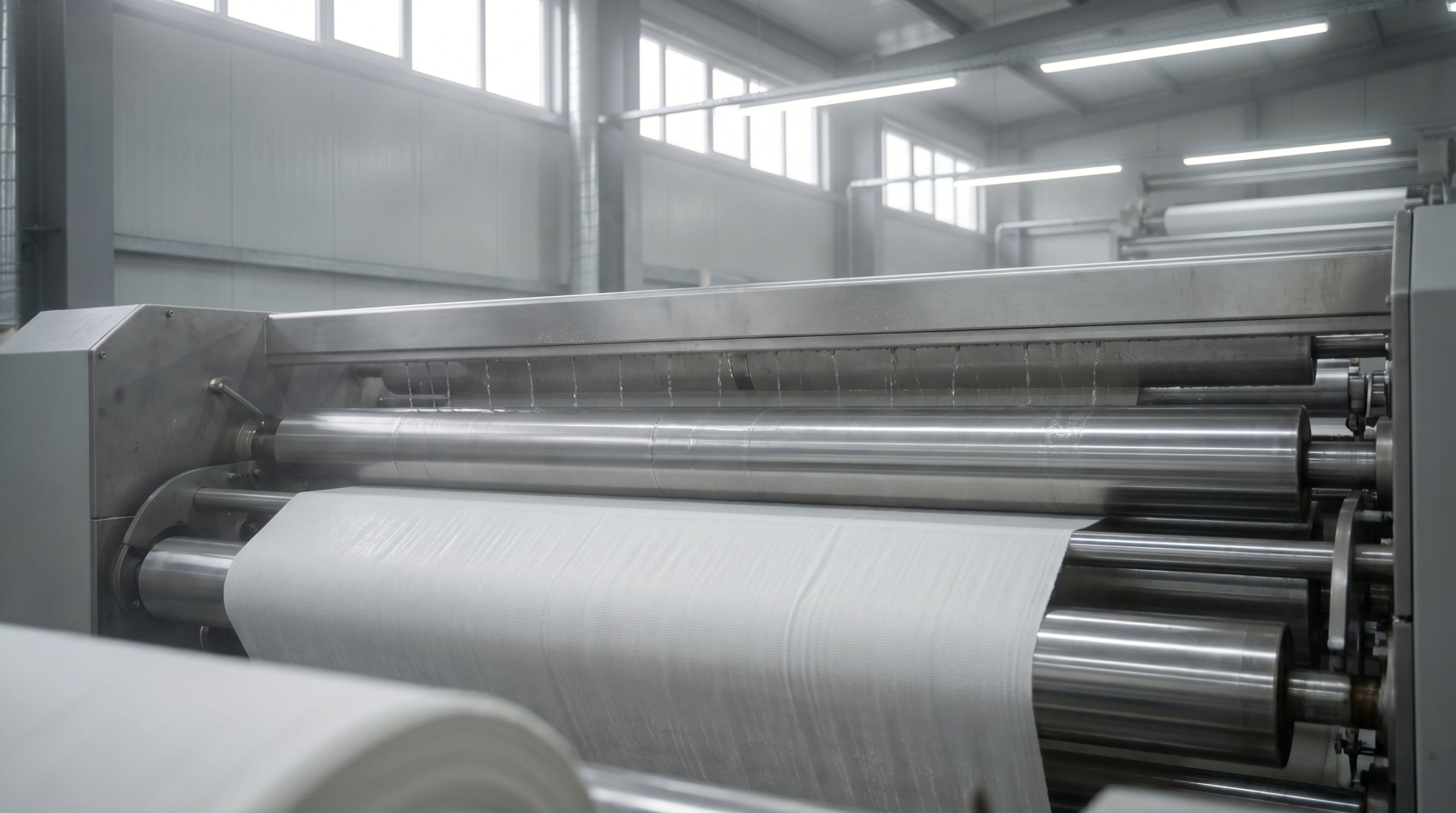
Silicones are the workhorse chemistry behind modern textile hand, repellency, and machine efficiency. In finishing, they do four distinct jobs: silicone softeners give fabric a smooth, slippery, full hand; reactive polysiloxanes build durable water-repellent finishes; silicone defoamers kill foam in dye baths and jet machines; and silicone fluids lubricate fibers and sewing thread to cut needle heat and thread breaks. The chemistry that delivers each effect is different — an amino-functional silicone softens, a polyether-modified silicone wets and spreads, and a polydimethylsiloxane-plus-silica blend knocks down foam — so picking the right silicone for the right step is where mills win or lose on both performance and cost.
This guide breaks down each function, the silicone chemistry that maps to it, and the trade-offs — yellowing, absorbency loss, emulsion shear stability — that a finishing formulator and purchasing team need to weigh before committing to a bulk order.
On this page
- Silicone softeners and hand-feel modification
- Mapping silicone chemistry to the finish
- Water repellency and hydrophobic finishes
- Silicone defoamers in dyeing and jet baths
- Fiber and sewing-thread lubrication
- Durable-press and wrinkle-resistance support
- Elastomeric and coating finishes
- Frequently asked questions
- Source textile silicones in bulk
Silicone softeners and hand-feel modification
Softening is the single largest use of silicones in textiles. A flexible siloxane backbone lies down on the fiber surface and lowers fiber-to-fiber friction, which the hand reads as smooth, slippery, and full. The base softener chemistry is polydimethylsiloxane — the same backbone sold as Dimethicone (PDMS) and as straight Polydimethylsiloxane (PDMS) Fluid — but plain PDMS bonds weakly to the fiber and washes off, so it is rarely used alone for durable softness.
The dominant durable softener is Amino-Functional Silicone, where pendant aminoethyl-aminopropyl groups along the chain anchor the polymer to the fiber and orient it for maximum slip. The trade textile name for the emulsion form is Amodimethicone. Amino silicones give the deepest, most luxurious hand of any softener class, and that is exactly why they are specified for premium apparel, towels, and bedding.
Amino silicones come down to two clear trade-offs:
- Yellowing. The amine groups that drive softness also oxidize under heat and over time, shifting white and pastel goods yellow. Higher amine content means better hand but worse yellowing. Blocked-amine and polyether-modified amino silicones were developed specifically to cut yellowing while holding most of the softness.
- Hydrophobicity. A pure amino silicone is hydrophobic and can knock down a fabric’s water absorbency — a problem for towels and activewear that must wick. Hydrophilic softeners, built by grafting polyether (polyethylene-glycol) segments onto the amino silicone, restore absorbency while keeping the silky hand.
Particle size is the other lever. Softeners are sold as macroemulsions (larger droplets, milky appearance) and microemulsions (very fine droplets, translucent). Microemulsions penetrate into the yarn and treat the fiber interior, giving uniform, inner softness; macroemulsions deposit more on the surface and build a fuller, bulkier hand. Microemulsions also resist breaking under the high shear of a pad bath, which matters for run-to-run consistency.
| Softener type | Silicone chemistry | Hand | Watch-outs |
|---|---|---|---|
| Standard amino softener | Amino-functional silicone (amodimethicone) | Deepest, most luxurious | Yellowing; reduces absorbency |
| Hydrophilic softener | Polyether + amino modified silicone | Silky but water-absorbent | Slightly less slip than straight amino |
| Microemulsion | Fine-particle amino silicone | Inner, uniform softness | Higher cost; lower surface effect |
| Macroemulsion | Larger-particle silicone | Full, bulky surface hand | Less penetration; more shear-sensitive |
| Non-reactive PDMS | Straight dimethicone fluid | Light slip | Poor durability; washes off |
Mapping silicone chemistry to the finish
The same family of polymers does very different work depending on what hangs off the siloxane backbone:
- PDMS (dimethicone). Unmodified backbone. Low surface tension, smooth slip, the base for non-durable softeners, fiber lubricants, and — compounded with silica — defoamers.
- Amino-functional silicone (amodimethicone). Amine side groups bond to fiber for durable, high-slip softness. The premium softener chemistry; yellowing is the cost.
- Polyether-modified silicone. Hydrophilic PEG/PPG segments make the silicone water-loving — used for hydrophilic softeners and as a wetting/spreading agent. The same chemistry as the Polyether-Modified Trisiloxane super-wetter used to drive uniform finish pickup.
- Reactive / hydride and silanol silicones. Carry groups that crosslink to the fiber or to each other on curing, building the durable, washfast films behind water repellents and elastomeric finishes.
Water repellency and hydrophobic finishes
Silicone water repellents work by coating each fiber with a thin, low-surface-energy polysiloxane film that orients its methyl groups outward, so water beads and rolls off at a high contact angle instead of wetting in. Reactive polydimethylsiloxane emulsions — carrying silanol or hydride groups — crosslink on curing and bond to the fiber, which is what makes the repellency survive washing.
Unlike a coating that seals the fabric, a silicone repellent treats individual fibers, so it leaves the gaps between yarns open. That preserves breathability and water-vapor permeability — the reason silicone repellents are favored for apparel and technical textiles where a fully sealed coating would be uncomfortable. The honest trade-off: the same low surface energy that repels rain also repels the water you want absorbed, so a repellent and an absorbent-towel finish are fundamentally opposed goals on the same cloth. Note that silicone repellents are not oil- or stain-repellent on their own — resisting oils requires fluorochemical chemistry, which sits outside the silicone family and carries its own regulatory scrutiny.
Silicone defoamers in dyeing and jet baths
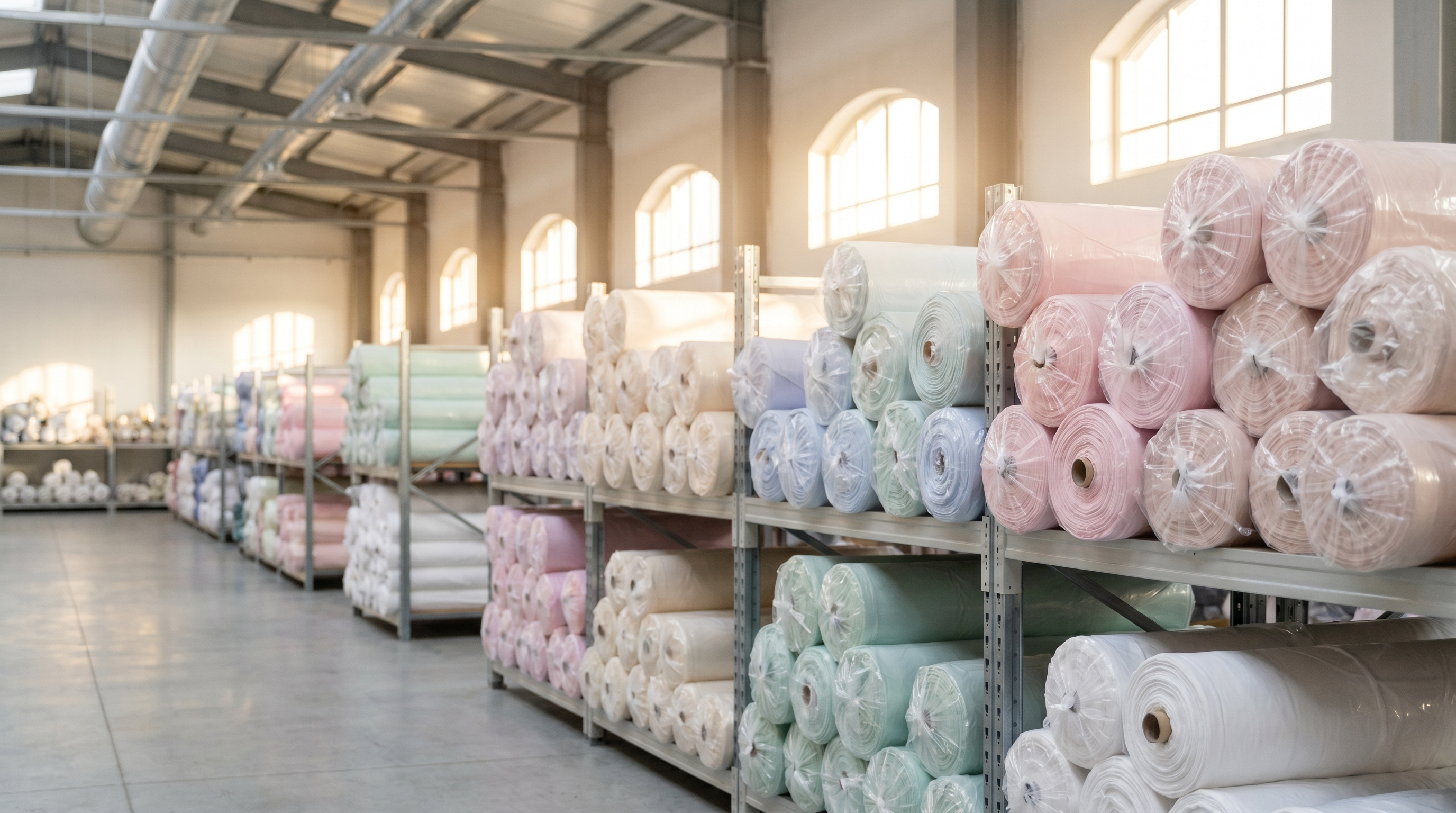
Foam is a real production problem in wet processing. Surfactants, dyes, and the mechanical agitation of jet and beck machines whip air into the bath, and foam causes uneven dye pickup, spots, pump cavitation, and overflow. A Silicone Antifoam Emulsion is the standard fix.
The active is polydimethylsiloxane compounded with hydrophobic (silanized) fumed silica and emulsified for water dispersibility. The mechanism is physical, not chemical: the silicone’s very low surface tension lets droplets enter the foam lamella, while the hydrophobic silica particles bridge and rupture the film, collapsing the bubble. Because silicone defoamers are insoluble and act at the interface, they work at very low dosages and survive the high temperatures of pressurized jet dyeing.
The discipline with silicone defoamers is dosing and deposition. Overdose, or a defoamer that breaks emulsion under heat and shear, can deposit silicone spots on the goods that repel dye and cause defects — the same hydrophobicity that kills foam will resist dye if it lands on the cloth. Dye-house-grade silicone antifoam emulsions are engineered for thermal and shear stability specifically to avoid that failure mode.
Fiber and sewing-thread lubrication
Silicone fluids are excellent boundary lubricants because the siloxane backbone gives very low friction across a wide temperature range. Two textile uses stand out:
- Fiber and yarn lubrication. Spin finishes and coning oils built on silicone reduce fiber-to-metal and fiber-to-fiber friction during spinning, winding, knitting, and weaving, cutting yarn breaks and static.
- Sewing-thread lubrication. A silicone film on sewing thread is the difference between a clean seam and a scorched one. At high machine speeds the needle can reach several hundred degrees Celsius; the silicone lubricates needle penetration, carries heat away, and prevents thread breaks, skipped stitches, and needle-hole melting in synthetics. Silicone Oil 350 cSt and similar viscosity grades are typical, applied neat or as an emulsion. Silicone thread lubricants are valued for being odorless and non-staining.
Viscosity is the selection variable: lower-viscosity fluids penetrate and spread; higher-viscosity grades like Silicone Oil 1,000 cSt stay put and give a more durable lubricating film.
Durable-press and wrinkle-resistance support
Wrinkle resistance and durable press on cotton are driven mainly by crosslinking resins, but silicones play a defined supporting role. Adding a silicone softener to a durable-press formulation restores the soft hand that crosslinkers strip out, and — importantly — recovers the tear and abrasion strength that resin finishing sacrifices, because the lubricated fibers slip rather than snap under stress. There are also silicone-based durable-press routes developed to deliver wrinkle recovery while avoiding formaldehyde-releasing crosslinkers, which matters as mills move away from formaldehyde chemistry.
Elastomeric and coating finishes
Crosslinkable silicones cure into a continuous elastomeric film on or in the fabric. Depending on chemistry and add-on, that film delivers stretch and recovery, a rubbery non-slip grip, a soft-touch coating, or a back-coating that locks yarns in place. Silicone elastomer coatings are also used where heat resistance and flexibility are required together, such as coated technical fabrics. The trade-off mirrors repellency: a continuous silicone film changes drape and can reduce breathability, so add-on is tuned to balance the elastomeric effect against hand and air permeability.
Frequently asked questions
Why do amino silicone softeners cause yellowing?
The amine groups that bond the silicone to the fiber and create the soft hand also oxidize under heat and over time, shifting whites and pastels yellow. Higher amine content gives a better hand but worse yellowing, which is why blocked-amine and polyether-modified amino silicones are used on white and light goods.
What is the difference between a micro- and macroemulsion softener?
Particle size. Microemulsions are very fine and translucent, penetrate into the yarn for uniform inner softness, and resist shear in the pad bath. Macroemulsions are larger, milky, deposit more on the surface, and build a fuller, bulkier hand.
Do silicone water repellents make fabric oil- and stain-proof too?
No. Silicone repels water but not oil. Oil and stain repellency requires fluorochemical chemistry, which is a different polymer family with its own performance and regulatory considerations.
Can a silicone defoamer cause dyeing defects?
Yes, if it is overdosed or breaks emulsion under heat and shear. Undispersed silicone can deposit on the cloth and repel dye, causing spots. Dye-house-grade silicone antifoam emulsions are formulated for thermal and shear stability to prevent this.
Which silicone do I need for a soft, water-absorbent towel?
A hydrophilic (polyether-modified amino) silicone softener. A standard amino silicone gives a great hand but is hydrophobic and will reduce wicking; the polyether modification restores absorbency.
Source textile silicones in bulk
Whether you are specifying a hydrophilic softener for towels, a dye-house antifoam, or a viscosity-graded silicone oil for thread lubrication, send us the CAS number or your finishing requirement and we will source it in drums, totes, or IBCs. Request a quote to get started.
Search 1,300+ industrial chemicals by name or CAS, or send us your spec — we quote by the drum, tote, or container.
Browse the Chemical Index → Request a Quote