

Dimethicone is a silicone fluid (polydimethylsiloxane, or PDMS) used in cosmetics and personal care to deliver a smooth, silky non-greasy feel, add shine and frizz control to hair, build a breathable occlusive film on skin, and improve the spreadability and wear of creams, primers, and sun care. It is the single most widely used silicone in the personal-care industry, supplied as a clear, odorless fluid in viscosity grades that run from roughly 5 cSt up to 1,000,000 cSt. The grade you choose is what determines whether the same chemistry behaves as a light, fast-spreading skin emollient or a heavy, substantive hair-conditioning film. Below is a practical guide to how dimethicone works, how its viscosity grades map to real formulation outcomes, and how to source it in bulk.
On this page
- What dimethicone (PDMS) is
- Viscosity grades and how they map to use
- Dimethicone in skin care
- Dimethicone in hair care
- Color cosmetics and primers
- Sun care
- Antifoam and processing aid
- Dimethicone vs. cyclopentasiloxane vs. phenyl trimethicone
- Grade selection and bulk handling
- Honest trade-offs: build-up and the silicone-free trend
- FAQ
- Source dimethicone in bulk
What dimethicone (PDMS) is
Dimethicone is the INCI name for polydimethylsiloxane, a linear silicone polymer built from a backbone of alternating silicon and oxygen atoms with methyl groups attached. That backbone is chemically inert, hydrophobic, and extremely flexible, which is why dimethicone spreads easily, resists water, tolerates heat, and stays stable across a wide pH range. It is a clear, colorless, essentially odorless fluid that does not oxidize or go rancid the way many plant and mineral oils do.
The polymer is non-volatile: unlike the cyclic silicones it sits alongside in many formulas, dimethicone stays on the skin or hair rather than evaporating. The chain length sets its viscosity, and viscosity is the lever that controls almost everything a formulator cares about — the same molecule, made longer, goes from a thin, watery fluid to a thick, gum-like material. Understanding the grades is the key to using it well.

Viscosity grades and how they map to use
Dimethicone viscosity is expressed in centistokes (cSt). A low number is a thin, fast-spreading fluid; a high number is a thick, substantive one. The most commonly stocked grades for personal care span 5 to 1,000 cSt for fluids, with higher-molecular-weight grades and gums reserved for film-forming and conditioning work. The table below summarizes how the common grades typically behave in a formula.
| Viscosity grade | Character | Typical cosmetic use |
|---|---|---|
| 5–20 cSt | Thin, fast-spreading, soft velvety feel | Light facial moisturizers, anti-whitening agent, carrier/diluent, hair mist serums |
| 50–100 cSt | Light slip, low tack | Skin emulsions, body lotions, lightweight conditioners, primers |
| 200–350 cSt | Balanced slip and cushion; the everyday workhorse | Creams, lotions, makeup bases, the most common all-purpose reference grade |
| 500–1,000 cSt | Richer cushion, more substantive film | Richer moisturizers, barrier creams, leave-on conditioners |
| 10,000–100,000 cSt | Heavy, persistent film former | Intensive barrier creams, long-wear conditioning, anti-frizz treatments |
| 500,000–1,000,000 cSt (gums) | Very high molecular weight, highly substantive | Diluted in lighter carriers for two-in-one shampoos and high-shine conditioners |
In practice, mid-viscosity grades around 200–350 cSt are the most-used reference point for general skin care because they balance slip, cushion, and a non-greasy after-feel. Higher viscosity grades are chosen where film persistence and substantivity matter, and very-high-molecular-weight gums are almost always pre-diluted in a lighter fluid or volatile carrier so they can be processed and spread.
Dimethicone in skin care
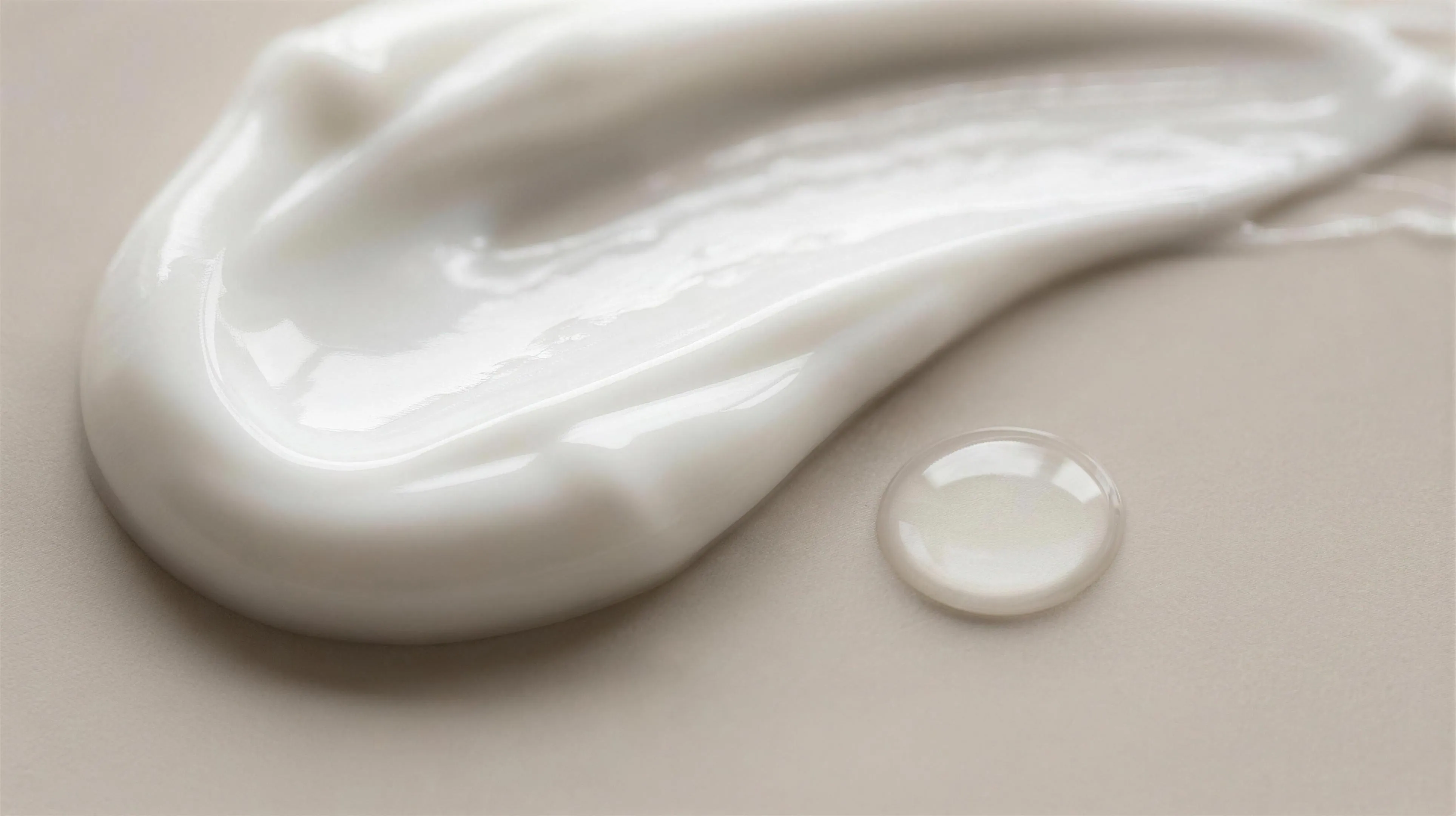
In skin care, dimethicone earns its place as an emollient that delivers a silky, cushioned slip without the heavy, greasy residue of many oils. It spreads into a thin, breathable film that helps smooth the skin surface and improve the sensory glide of a cream or lotion. Because the film is hydrophobic, it helps reduce transepidermal water loss (TEWL) and acts as an occlusive that supports the skin’s own barrier, which is why it appears in everything from oil-free facial moisturizers to richer barrier creams.
That same gap-filling, surface-smoothing behavior is what gives dimethicone its signature use in primers and blurring products: it fills fine surface texture so makeup applies more evenly and light reflects more softly. It is widely regarded as non-comedogenic and low-irritation, which makes it a common choice in formulas aimed at sensitive or blemish-prone skin. These are general descriptions of how the ingredient typically performs in cosmetic formulas, not medical or treatment claims.
Dimethicone in hair care
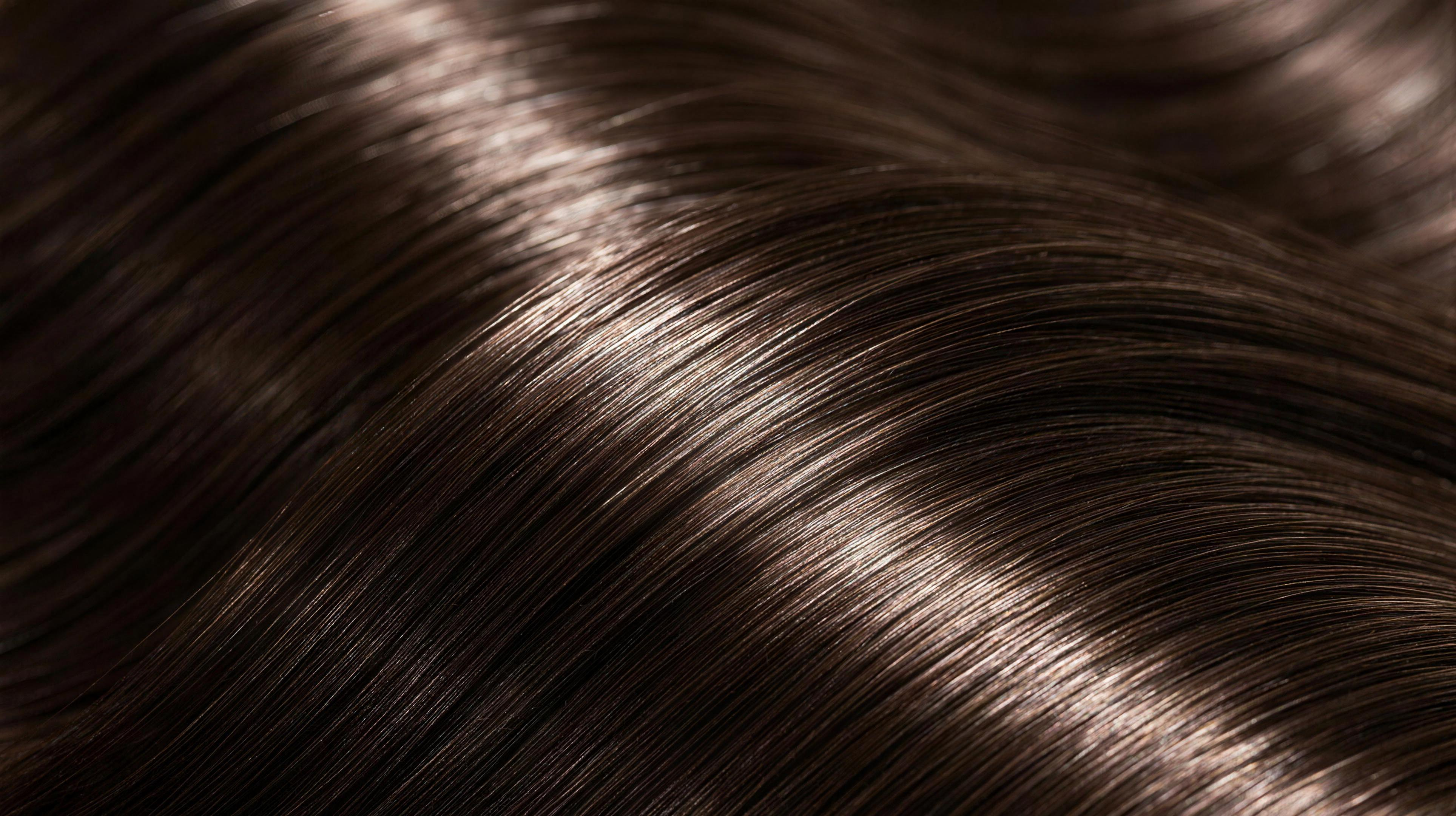
On hair, dimethicone coats each strand in a thin, flexible film that delivers shine, slip, and a smooth, sleek surface. That film smooths the cuticle, which reduces frizz, improves wet and dry combing, and makes detangling easier. It also adds a degree of heat-styling smoothness and helps hair feel conditioned without a sticky or waxy residue.
Lower-viscosity dimethicone is used for lightweight, fast-distributing shine and slip in serums and sprays, while higher-molecular-weight grades and gums provide the substantive, longer-lasting conditioning seen in rinse-off conditioners and two-in-one shampoos, where the gum is typically pre-emulsified or pre-diluted. Functionalized variants such as amodimethicone are engineered to deposit more selectively on damaged areas of the strand, and dimethicone copolyols (PEG/dimethicone types) bring water-dispersibility for rinse-off systems.
Color cosmetics and primers
In color cosmetics, dimethicone improves application by giving foundations, concealers, and powders a smoother, more even glide and a soft-focus finish. Its film-forming nature contributes to wear and transfer resistance, and its non-greasy, breathable feel is why it anchors so many primers and long-wear bases. Lighter grades and volatile silicone blends carry pigment evenly and flash off to leave a dry, smooth deposit, while higher-viscosity grades and dimethicone crosspolymer add the cushiony, oil-controlling, blurring feel formulators look for in a modern primer.
Sun care
In sun care, dimethicone and its silicone companions improve spreadability so the product lays down in an even film, which supports uniform coverage. Silicones also contribute to the water-resistance and wash-off resistance profile of a sunscreen by helping the film stay put against water and sweat. Dimethicone is a formulation aid here, supporting cosmetic elegance and film integrity rather than providing UV protection itself.
Antifoam and processing aid
Beyond the consumer-facing benefits, dimethicone and its activated form (simethicone) are well-established defoamers and processing aids. Their low surface tension lets them collapse foam quickly, which is useful both inside surfactant-heavy formulas and during high-shear manufacturing of personal-care batches. This dual role — performance ingredient and processing aid — is one reason a single silicone fluid earns a permanent place on a formulator’s shelf.
Dimethicone vs. cyclopentasiloxane vs. phenyl trimethicone
Dimethicone is rarely the only silicone in a formula. It is usually chosen alongside, or in place of, two close relatives, and the difference comes down to volatility and feel.
| Property | Dimethicone (PDMS) | Cyclopentasiloxane (D5) | Phenyl trimethicone |
|---|---|---|---|
| Volatility | Non-volatile, stays on the surface | Volatile, evaporates after spreading | Partially volatile |
| Primary feel | Silky cushion, substantive film | Light, dry, fast-spreading slip | Light feel with high gloss |
| Stand-out benefit | Occlusive film, conditioning, TEWL reduction | Carrier, dry after-feel, anti-whitening | Shine, reduces whitening, improves spread of pigments |
| Best fit | Barrier creams, leave-on conditioning, primers | Antiperspirants, color cosmetics, spreading carrier | Serums, sunscreens, high-shine hair products |
A typical premium formula blends them: a volatile silicone like cyclopentasiloxane carries the system and flashes off to leave a dry feel, dimethicone provides the lasting conditioning film, and phenyl trimethicone adds gloss. Choosing the right combination is where formulation expertise lives.
Grade selection and bulk handling
Selecting a grade starts with the after-feel and persistence you want: lighter grades for a fast, non-greasy slip, mid grades for everyday creams and lotions, and higher grades or gums where you need a substantive, long-lasting film. From there, consider compatibility with the rest of the system — whether you need a water-dispersible copolyol for a rinse-off product, a volatile silicone to carry a high-molecular-weight gum, or a crosspolymer for a blurring, oil-absorbing feel.
For bulk handling, dimethicone fluids are chemically stable, low-hazard to store, and have a long shelf life because they do not oxidize like organic oils. They are typically supplied in drums, totes, and IBCs. Higher-viscosity grades pump more slowly and may need gentle warming to move efficiently, and gums are practically always supplied pre-diluted for that reason. Always work from the supplier’s current specification and safety data sheet for the exact grade, and confirm cosmetic-grade documentation for personal-care use.
Honest trade-offs: build-up and the silicone-free trend
Dimethicone is not a universal answer, and a credible supplier should say so. Because it is oil-soluble and not water-soluble, heavier, non-functionalized dimethicone can accumulate on hair over repeated use, especially when paired with very mild or sulfate-free shampoos that do not fully remove it. Some users perceive this build-up as weight, dullness, or a coated feel. In practice it is removable with a clarifying wash, and water-dispersible silicone derivatives are designed specifically to rinse more cleanly — but the perception is real and drives genuine purchasing behavior.
That perception, alongside broader clean-beauty positioning, is behind the silicone-free formulating trend. For some product positions, a silicone-free system is the right call, and there are non-silicone emollients and film formers that can approximate parts of the sensory profile. For many others, dimethicone remains the most cost-effective way to achieve a specific feel, shine, and barrier performance that alternatives struggle to match. Matching the chemistry to the brief — rather than defaulting to silicone or reflexively avoiding it — is the honest approach, and it is how we help buyers spec what they actually need.
FAQ
What is dimethicone used for in cosmetics?
Dimethicone is used as an emollient and film former. In skin care it adds a silky, non-greasy feel and a breathable occlusive barrier that helps reduce water loss; in hair care it adds shine, slip, and frizz control; and in color cosmetics and sun care it improves spreadability, smoothness, and wear.
Is dimethicone the same as polydimethylsiloxane (PDMS)?
Yes. Dimethicone is the INCI (cosmetic ingredient) name for polydimethylsiloxane. PDMS is the chemical name and dimethicone is the label name for the same linear silicone polymer.
What viscosity of dimethicone should I use?
It depends on the feel and persistence you need. Lighter grades (5–100 cSt) give a fast, light slip; mid grades around 200–350 cSt are the all-purpose choice for creams and lotions; and higher grades or gums (10,000 cSt and up) deliver a substantive, long-lasting film for barrier care and conditioning.
Does dimethicone cause build-up on hair?
Heavier, non-water-soluble dimethicone can accumulate on hair over time, particularly with very mild or sulfate-free cleansing, and may be perceived as weight or dullness. It is removable with a clarifying shampoo, and water-dispersible silicone derivatives are formulated to rinse out more easily.
Is dimethicone vegan and animal-free?
Dimethicone is a fully synthetic silicone made from silicon and oxygen, not derived from animal sources. Confirm specific certifications and grade documentation against your own brand requirements with your supplier.
Source dimethicone in bulk
See the Dimethicone (Polydimethylsiloxane, PDMS) product page. We also carry the silicones that pair with it, including Cyclopentasiloxane, Phenyl Trimethicone, and Amodimethicone. Tell us the grade, viscosity, and volume you need, and we will source it. Request a quote.
This article is provided for general formulation and sourcing reference and describes typical cosmetic uses of dimethicone; it is not medical, health, or efficacy advice. Confirm grade specifications, regulatory status, and suitability for your application against the current specification and Safety Data Sheet for the material you purchase.
Search 1,300+ industrial chemicals by name or CAS, or send us your spec — we quote by the drum, tote, or container.
Browse the Chemical Index → Request a Quote