
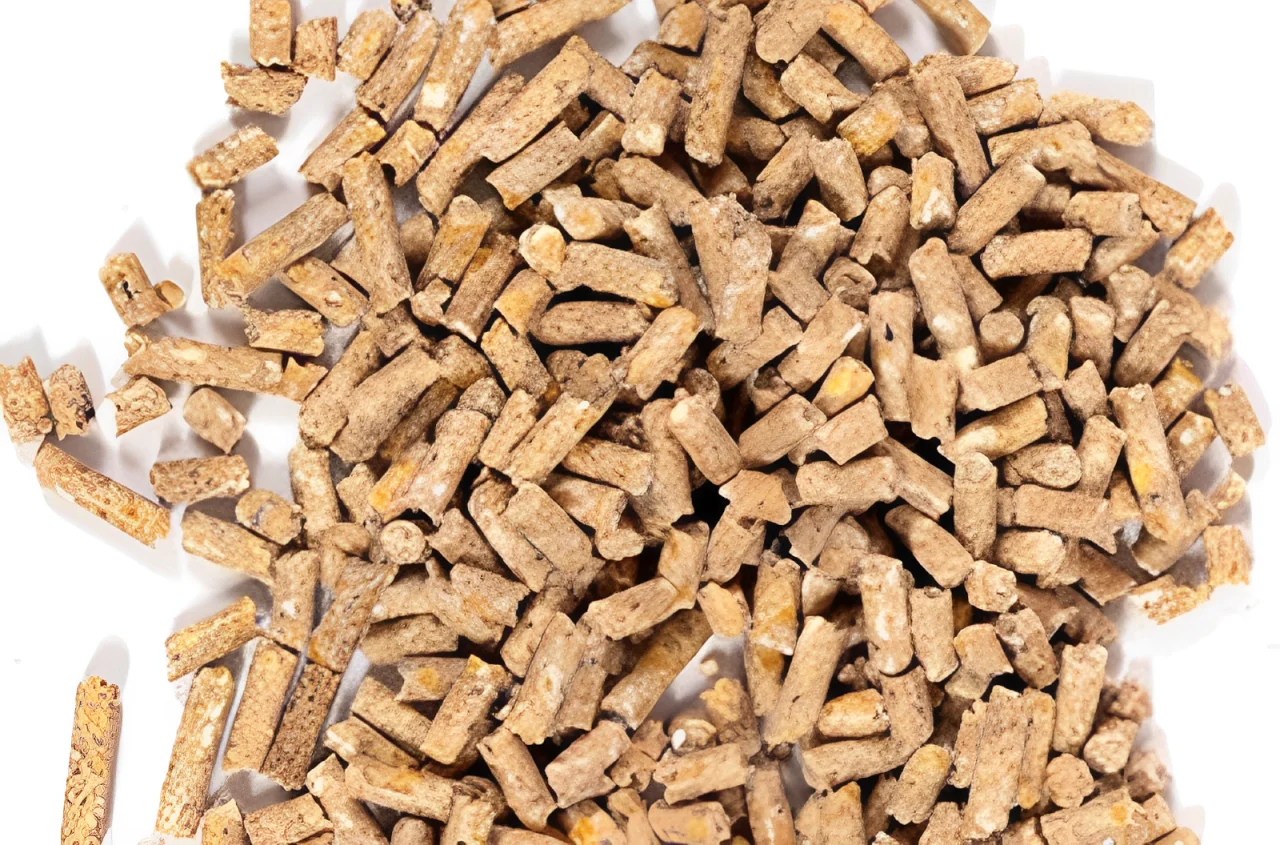
What calcium formate is
Calcium formate (CAS 544-17-2), formula Ca(HCOO)2, is the calcium salt of formic acid (CAS 64-18-6). It is a white, water-soluble crystalline solid, typically supplied at feed-grade purity around 98%. The practical appeal in feed is that it delivers formic-acid acidifying function in a dry, non-corrosive solid that is far easier and safer to weigh, mix, and store than liquid formic acid. That handling difference is the whole reason it exists as a feed ingredient. Liquid formic acid is corrosive and a handling hazard in a mill; the calcium salt is not, which is why formulators reach for it in dry premixes.How it is used in feed
Calcium formate is used as a feed acidifier. Once it dissociates in the gut, the formate lowers pH in the upper digestive tract, and acidifiers of this class are used to support digestive conditions and feed hygiene, particularly in young animals around weaning. It is most commonly associated with piglet and poultry diets. Read the function, not a promise: an acidifier sets gut and feed pH and is used as a tool in that context. Performance in any given herd depends on diet, dose, and conditions, and feeding-trial results vary. Use it as a formulation lever and validate against your own diets, not as a guaranteed outcome. It also supplies supplemental calcium, though for bulk calcium most mills use cheaper calcium carbonate (CAS 471-34-1); calcium formate is chosen for the acidifier function first, with the calcium as a secondary contribution.Grade and spec are the buying decision
Specify the grade explicitly, because the same compound ships for very different uses. Feed-grade calcium formate carries tighter heavy-metal and contaminant limits than the technical grade sold into construction. Pin these on the PO: Purity/assay (typically ~98% feed grade), with stated heavy-metal limits (lead, arsenic, cadmium) to feed-additive limits. Particle size and bulk density, which govern how evenly it disperses in a premix and whether it segregates during mixing. Regulatory status for your market. Calcium formate is a recognized feed additive in the EU and is regulated as a feed ingredient elsewhere; confirm the current registration and permitted use level (AAFCO/FDA in the US, the relevant EU register in Europe) for your species and jurisdiction before formulating. Do not assume cross-border approval.The honest trade-offs
Two tensions decide whether calcium formate earns its place. First, cost: per unit of acidifying power it is more expensive than buying liquid formic acid or a cheaper inorganic acidifier; you pay the premium for dry handling and safety, so the math only works where handling liquid acid is a real problem. Second, the calcium it carries consumes part of your formulation’s calcium budget, which you have to balance against your carbonate and phosphate sources rather than treat as free. It is a targeted tool, not a default.Beyond feed: where else it sells
The same molecule moves in volume into two other markets, which matters for sourcing and price. In construction it is a non-chloride set accelerator for concrete and mortar, valued because it speeds set without the rebar-corrosion risk of calcium chloride. In oil and gas, formate brines (sodium, potassium, cesium formate) are used as high-density, low-solids drilling and completion fluids. Demand from these sectors influences availability and pricing of the feed grade, so a buyer watching only feed markets can miss a price move.Sourcing it
Treat calcium formate as a spec-and-compliance buy. Decide whether you actually need dry-handled acidifier function (versus cheaper liquid acid), pin the assay, heavy-metal limits, and particle size on the PO, and confirm the feed-additive registration for your species and country before you formulate. If you are sizing feed-grade calcium formate by spec and volume, send the grade and quantity and we will source against it.FAQs
What is the function of calcium formate in feed?
It is used as a dry feed acidifier. The formate lowers pH in the upper digestive tract and in stored feed, which is the established function of this class of additive. It also supplies supplemental calcium, though that is secondary to the acidifier role.
Why use calcium formate instead of formic acid?
Handling. Calcium formate delivers formic-acid acidifying function as a dry, non-corrosive solid that is far safer and easier to weigh, mix, and store in a feed mill than corrosive liquid formic acid. You pay a cost premium for that handling advantage.
What grade and spec should I buy?
Feed grade (typically ~98% assay) with stated heavy-metal limits, plus a defined particle size and bulk density for even premix dispersion. Construction-grade material does not carry the same contaminant limits. Confirm the feed-additive registration (AAFCO/FDA, or the EU register) for your species and jurisdiction.
How does it compare to calcium carbonate?
Different jobs. Calcium carbonate (CAS 471-34-1) is the cheap bulk calcium source and a buffer. Calcium formate is bought for its acidifier function, with calcium as a secondary contribution. For supplemental calcium alone, carbonate is far more economical.
What is the pH of calcium formate?
A calcium formate solution is roughly pH 6 to 8, near neutral, because it is a salt of a weak acid and a strong base. Its acidifying effect appears in the gut as the formate is released, not from the salt’s own solution pH.
What else is calcium formate used for?
In construction it is a non-chloride concrete set accelerator that avoids the rebar-corrosion risk of calcium chloride. In oil and gas, formate brines are used as high-density, low-solids drilling and completion fluids. It also appears in leather tanning and as a chemical intermediate. Cross-sector demand affects feed-grade pricing.
Methodology and sources
Identity and property context for Calcium Formate (CAS 544-17-2) in this guide is anchored to the compound's PubChem record. Hazard-communication framing follows OSHA's Hazard Communication Standard, 29 CFR 1910.1200. Always defer to the supplier's current SDS and CoA for the specific grade and lot you handle.
Search 1,300+ industrial chemicals by name or CAS, or send us your spec — we quote by the drum, tote, or container.
Browse the Chemical Index → Request a Quote