
ETHANOLAMINE- ▸Technical data sheet: on request
- ▸Safety data sheet: on request
- ▸Certificate of analysis: issued per lot with each shipment
- ▸ Acid-gas scrubbing: Removes CO2 and H2S from natural gas and refinery streams.
- ▸ Surfactant feedstock: Intermediate for nonionic detergents and soaps.
- ▸ Metalworking fluids: pH control and formulation component in cutting fluids.
- ▸ Corrosion inhibitor: Neutralizing amine in industrial systems.
- ▸ Chemical intermediate: Building block for agrochemicals and rubber accelerators.

GHS06
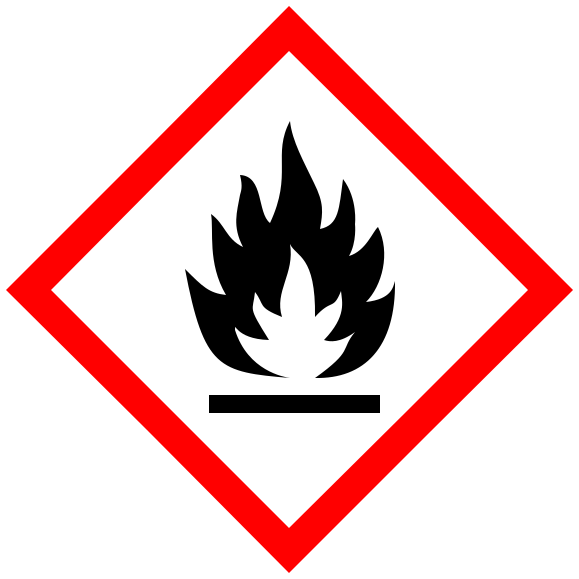
GHS02

GHS07
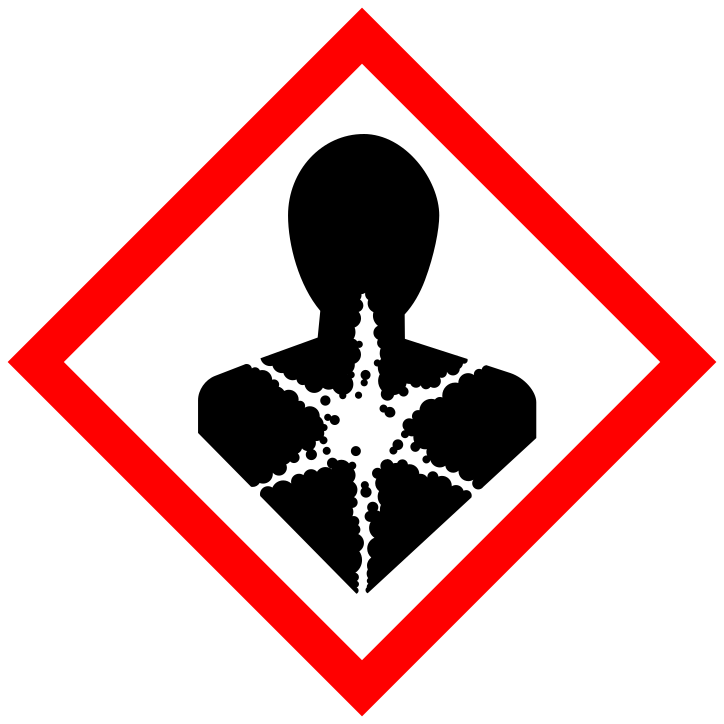
GHS08
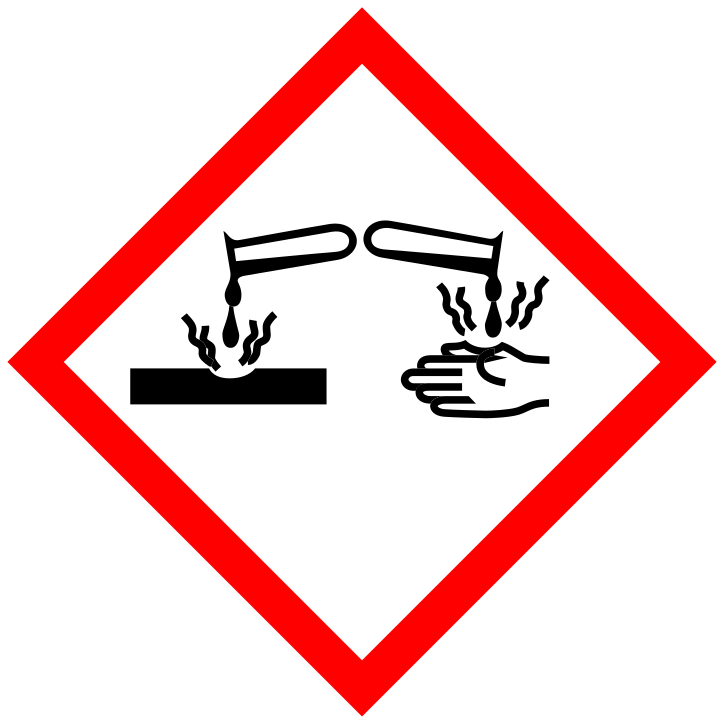
GHS05
- H412 (100%): Harmful to aquatic life with long lasting effects [Hazardous to the aquatic environment, long-term hazard]
- H370: Causes damage to organs [Danger Specific target organ toxicity, single exposure]
- H228 (100%): Flammable solid [Danger Flammable solids]
- H402: Harmful to aquatic life [Hazardous to the aquatic environment, acute hazard]
- H302 (> 99.9%): Harmful if swallowed [Warning Acute toxicity, oral]
- H312 (> 99.9%): Harmful in contact with skin [Warning Acute toxicity, dermal]
- H314 (> 99.9%): Causes severe skin burns and eye damage [Danger Skin corrosion/irritation]
- H311: Toxic in contact with skin [Danger Acute toxicity, dermal]
- H361: Suspected of damaging fertility or the unborn child [Warning Reproductive toxicity]
- H373: May causes damage to organs through prolonged or repeated exposure [Warning Specific target organ toxicity, repeated exposure]
- H317: May cause an allergic skin reaction [Warning Sensitization, Skin]
- H318: Causes serious eye damage [Danger Serious eye damage/eye irritation]
- H227: Combustible liquid [Warning Flammable liquids]
- H336: May cause drowsiness or dizziness [Warning Specific target organ toxicity, single exposure; Narcotic effects]
- H332 (99.7%): Harmful if inhaled [Warning Acute toxicity, inhalation]
- H372: Causes damage to organs through prolonged or repeated exposure [Danger Specific target organ toxicity, repeated exposure]
- H334: May cause allergy or asthma symptoms or breathing difficulties if inhaled [Danger Sensitization, respiratory]
- H335 (15.9%): May cause respiratory irritation [Warning Specific target organ toxicity, single exposure; Respiratory tract irritation]
- H303: May be harmful if swallowed [Warning Acute toxicity, oral]
Precautionary statement codes: P260, P261, P264, P264+P265, P270, P271, P273, P280, P301+P317, P301+P330+P331, P302+P352, P302+P361+P354, P304+P340, P305+P354+P338, P316, P317, P319, P321, P330, P362+P364, P363, P403+P233, P405, P501, P210, P272, P308+P316, P333+P317, P370+P378, P403, P203, P233, P262, P284, P318, P342+P316, P361+P364, P240, P241
Source: PubChem, compound CID 700, Safety and Hazards: GHS Classification
A grade-specific Safety Data Sheet (SDS) — with the complete hazard classification, handling precautions, and transport information — is supplied with every shipment and available on request. Confirm all safety and regulatory details against the SDS for your specific grade.
Request SDS →
UN number source: PubChem, compound CID 700, Transport Information. Class, packing group and proper shipping name: 49 CFR 172.101 Hazardous Materials Table. Confirm against the grade-specific SDS (Section 14) before shipping.
Ethanolamine (CAS 141-43-5), the monoethanolamine isomer, is a bifunctional amino alcohol combining a primary amine with a hydroxyl group. It is widely used to scrub acid gases (CO2 and H2S) from natural gas and process streams and as a building block for nonionic surfactants, soaps, and detergents. Additional outlets include metalworking-fluid formulation, corrosion inhibition, and use as an intermediate for agrochemicals and rubber accelerators.
Regulatory & registration requirements
- TSCA (US):
- REACH (EU):
- EC number: 205-483-3
Source: EPA TSCA Inventory (July 2025 release) · ECHA CHEM — retrieved 2026-07-12
Solutions Using This Product
Process-solution guides on this site that specify this chemistry:
- Monoethanolamine (MEA) Cleaner Alkali (Home & Industrial Care)
- Floor Stripper & Floor Finish Polymer (Janitorial Floor Care) (Home & Industrial Care)
- Metalworking Fluid Biocides, pH Amines & Buffers (Industrial Manufacturing)
Frequently Asked Questions
What is ethanolamine used for?
Ethanolamine (CAS 141-43-5) is widely used to scrub acid gases (CO2 and H2S) from natural gas and refinery streams, and as a feedstock for nonionic surfactants, soaps, and detergents. Additional uses include metalworking-fluid formulation and pH control, corrosion inhibition, and as an intermediate for agrochemicals and rubber accelerators.
What is another name for ethanolamine?
Ethanolamine is the monoethanolamine isomer, commonly abbreviated MEA. Chemically it is 2-aminoethanol, a bifunctional amino alcohol (C2H7NO) combining a primary amine and a hydroxyl group.
Is ethanolamine an amine or an alcohol?
Both — it is an amino alcohol, carrying a primary amine and a hydroxyl group on the same C2 backbone. This bifunctionality is what makes it useful as both an acid-gas absorbent (via the amine) and a surfactant building block.
How is ethanolamine packaged and shipped?
Ethanolamine ships under UN 2491. RawSource supplies it in bulk — drums, totes/IBCs, and larger volumes — with CoA and SDS provided. Refer to the SDS for handling and full transport classification.
What is the cost of bulk ethanolamine?
Pricing depends on grade, packaging, and volume and tracks feedstock markets. Submit a bulk RFQ with your specification and quantity for a current quote; we do not publish spot prices.
What is the REACH and TSCA regulatory status of Ethanolamine (Monoethanolamine, MEA)?
Ethanolamine (Monoethanolamine, MEA) (CAS 141-43-5) is subject to U.S. TSCA Inventory requirements; supplying it into the EU requires valid REACH registration ((EC) No 1907/2006). Buyers should require documented TSCA and REACH compliance for their jurisdiction and volume (EC 205-483-3).
What is the molecular formula of Ethanolamine?
The molecular formula of Ethanolamine is C2H7NO.