
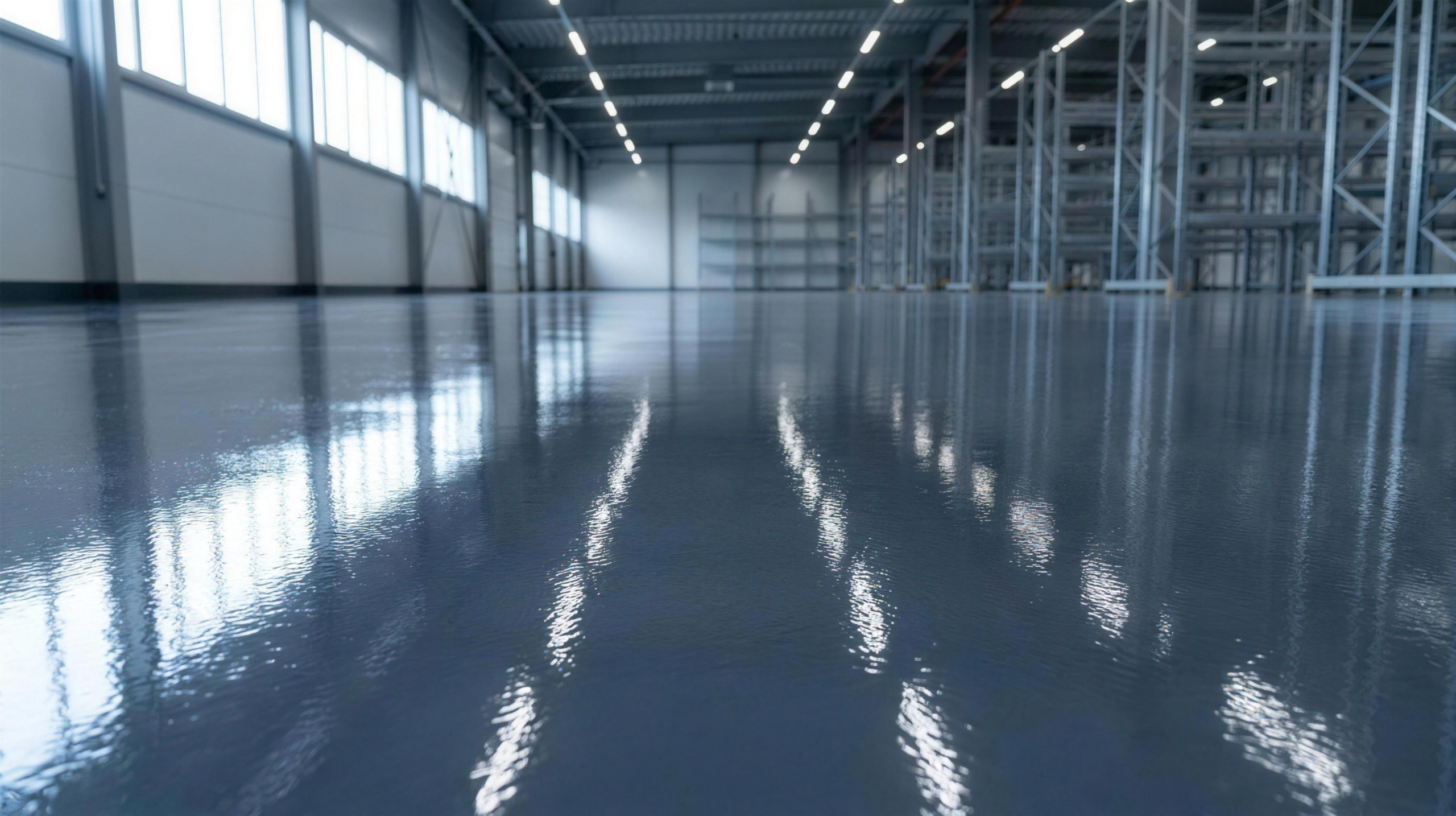
Polyaspartic coatings are fast-curing, UV-stable protective films built by reacting a polyaspartic ester resin with an aliphatic polyisocyanate. They cure in hours instead of days, hold their color and gloss in direct sunlight, and go down in a single high-build coat. Producers and applicators reach for them when a floor or a steel structure has to be back in service fast and stay looking new outdoors. This guide walks through the chemistry, the performance properties that matter on a bid sheet, the application markets that buy the most resin, and an honest read on where polyaspartic beats epoxy and polyurethane and where it does not.
What is a polyaspartic coating?
A polyaspartic coating is a two-component system. One side is a polyaspartic ester, a sterically hindered secondary diamine. The other is an aliphatic polyisocyanate, most often an HDI Isocyanurate Trimer Polyisocyanate derived from Hexamethylene Diisocyanate. When the two meet, the amine reacts with the isocyanate through an aza-Michael addition and builds a dense polyurea network. That polyurea backbone is what gives the cured film its toughness.
The clever part is the ester. Bulky ester groups sit next to the reactive amine and slow it down, so the formulator can dial in how fast the system gels. Change the ester structure and you move the pot life and the cure window. Practical gel times run from roughly 40 to 100 minutes, with working pot life often in the 15 to 40 minute range depending on the grade, the temperature, and the catalyst. Ambient moisture nudges the reaction along once the film is down. For producers, the takeaway is simple: polyaspartic chemistry is tunable, so spec the ester grade to the job rather than fighting a one-speed system on site.
In this guide
- What is a polyaspartic coating?
- Key performance properties
- Industrial and warehouse concrete floors
- Garage and showroom floor coatings
- Commercial flooring
- Decorative metallic and flake floor systems
- Steel and infrastructure protective coatings
- Polyaspartic as a topcoat over epoxy
- Polyaspartic vs epoxy vs polyurethane
- The honest trade-offs
- Frequently asked questions
Key performance properties
Fast cure and fast return to service. This is the headline. A polyaspartic floor can take foot traffic within hours and vehicle or forklift traffic the same day, where a conventional epoxy needs a day or more between coats and longer before heavy use. For a working warehouse or a retail floor, every hour the space is closed costs money, so the schedule itself is the value.
UV stability. Because the network is aliphatic, polyaspartic films resist the yellowing and chalking that hit aromatic systems outdoors. They hold color and gloss under sunlight far better than standard epoxy, which is why they are specified for exposed and sunlit surfaces.
High-build, single-coat application. Polyaspartics are typically high-solids and can be laid down at film thicknesses that would take two or three coats of a thinner material. Fewer coats means fewer recoat windows and a shorter project.
Abrasion and chemical resistance. The cured polyurea is hard and abrasion-resistant, and it stands up to fuels, many solvents, salts, and common industrial chemicals. That combination is what keeps a coated floor from telegraphing tire scuffs and spills.
Low-temperature cure. Many polyaspartic systems cure well below the roughly 50 degrees Fahrenheit (10 degrees Celsius) floor that limits most epoxies, which extends the installation season into cold warehouses and winter jobs.
Lower VOC than many solvent-borne coatings. High-solids polyaspartic formulations carry low VOC content relative to traditional solvent-borne systems, which helps applicators meet emission limits. Treat that as a formulation-dependent fact, not a blanket “green” claim. For a buyer, the recommendation is to confirm the VOC figure on the specific grade’s technical data sheet before bidding a low-VOC job.
Industrial and warehouse concrete floors
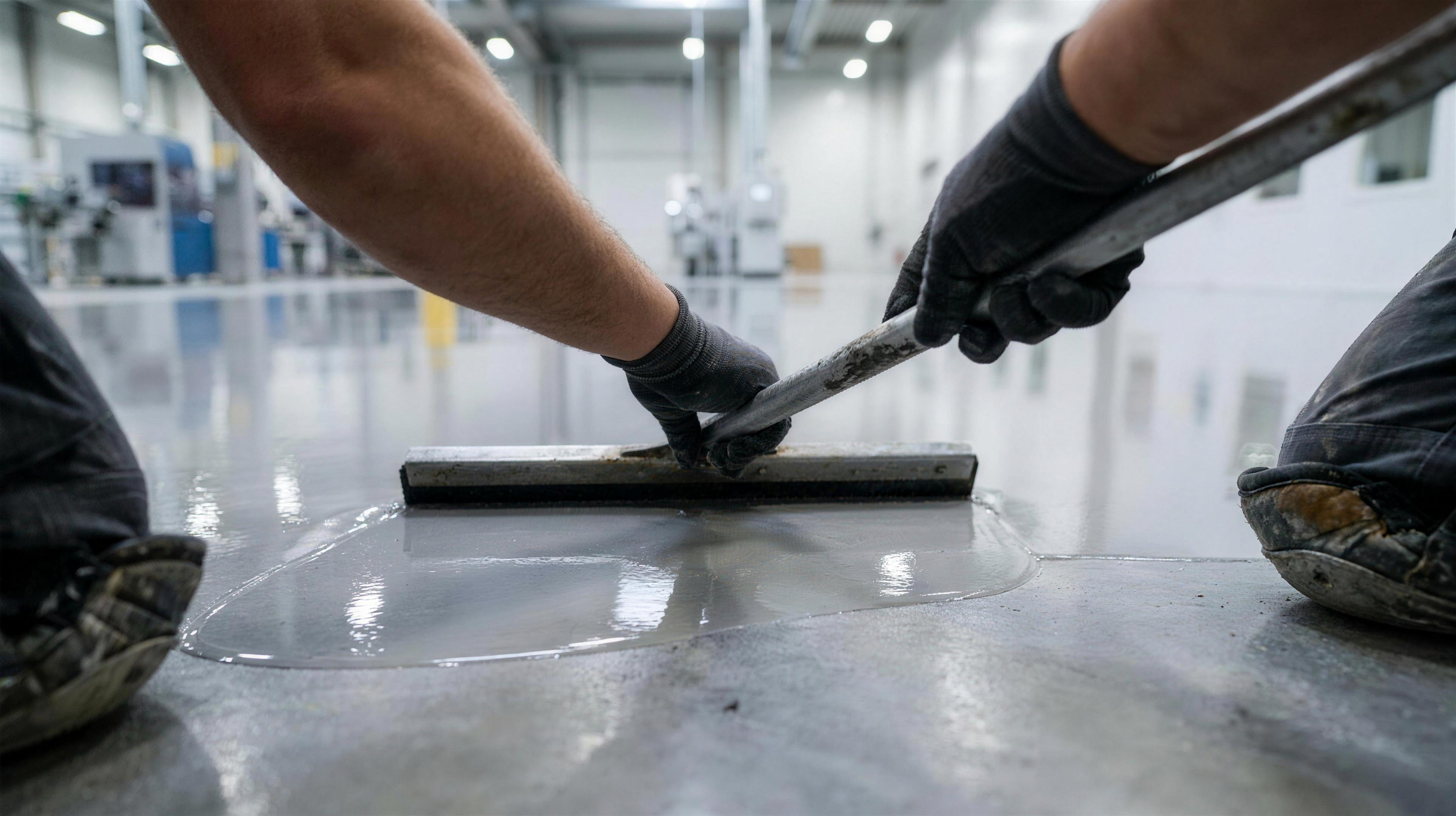
This is the largest single market for polyaspartic resin. Distribution centers, manufacturing plants, and cold-storage facilities need a floor that survives forklift traffic, pallet drops, and chemical spills without shutting the building down for a week. A polyaspartic system delivers a seamless, easy-to-clean surface and lets a facility reopen a zone the same day it is coated. For a plant running multiple shifts, that same-day return is often the deciding factor over a cheaper epoxy.
Garage and showroom floor coatings
Residential garages and automotive showrooms are where polyaspartic earned its reputation as a “one-day floor.” A crew can grind the concrete, broadcast color flake, and seal the slab in a single visit, and the homeowner parks on it the next morning. The hot tire pickup that plagues some epoxy garage coatings is far less of a problem with a properly cured polyaspartic film, which is the practical reason installers switched.
Commercial flooring
Retail stores, restaurants, commercial kitchens, healthcare corridors, and hospitality spaces use polyaspartic for the same reason warehouses do: minimal downtime. Many of these floors can only be coated overnight, between close and open, so a chemistry that is walkable by morning is not a luxury, it is a requirement. The seamless finish also leaves no grout lines or seams for bacteria and dirt to collect in, which matters in food-service and clinical settings.
Decorative metallic and flake floor systems
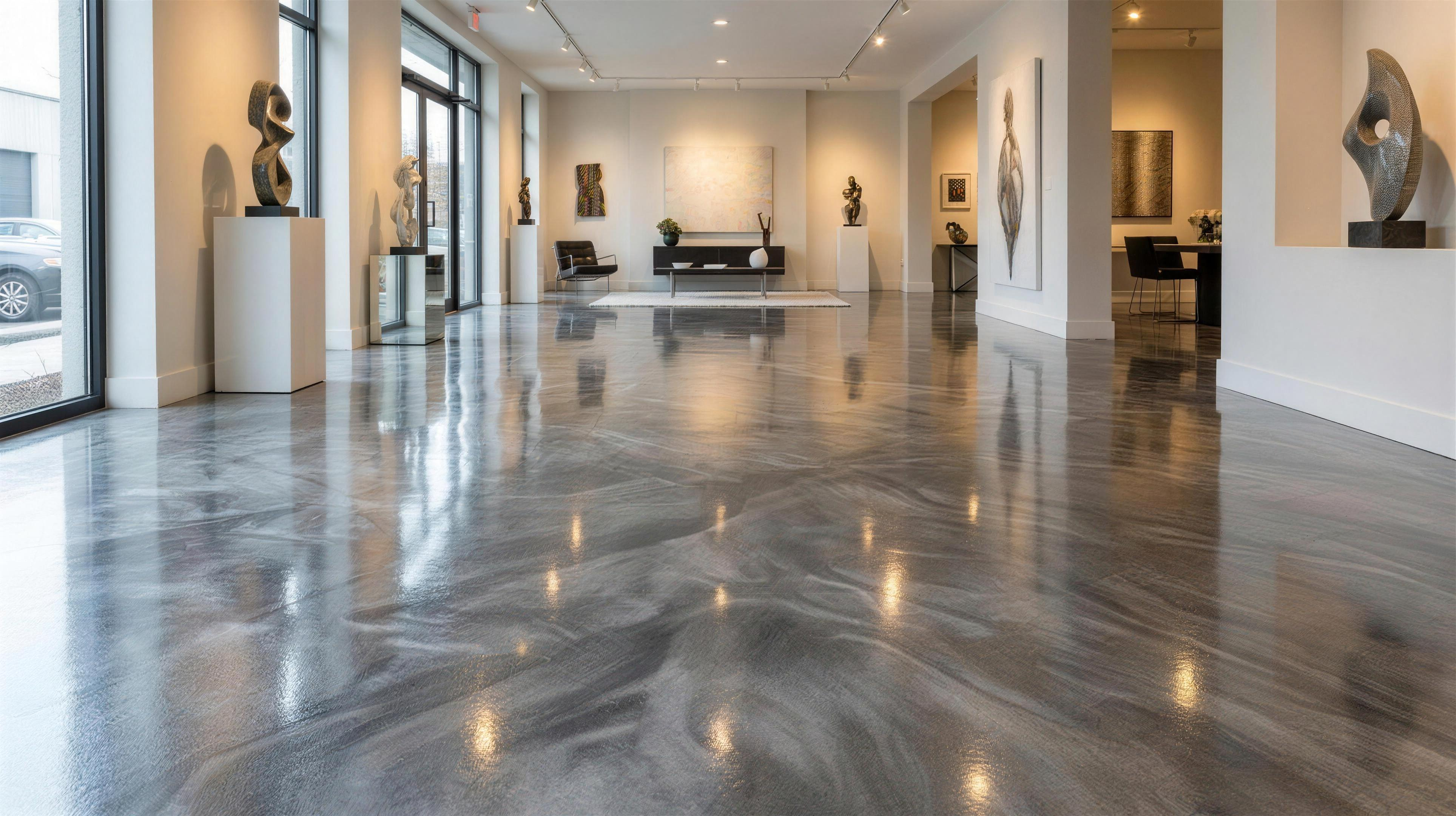
Polyaspartic is the clear topcoat of choice for decorative work. Over a metallic-pigmented basecoat or a broadcast vinyl flake, a clear polyaspartic seal locks in the design and adds a deep, glass-like gloss that stays clear instead of ambering over time. The UV stability is what protects that look in showrooms and entryways with daylight exposure. The trade-off worth naming: the same fast gel that speeds the job also shortens the window to chase a flawless decorative pour, so decorative crews lean on slower-grade esters and disciplined batching.
Steel and infrastructure protective coatings
Beyond floors, polyaspartic technology protects steel and infrastructure. Bridges, storage tanks, structural steel, pipe, and rail equipment benefit from the fast cure and the color retention, which cuts the time an asset is out of service for maintenance painting. As a direct-to-metal or intermediate-and-finish coat, polyaspartic resists corrosion-driving moisture and weathering while keeping a recoatable, color-stable surface. For asset owners weighing a maintenance shutdown, the fast return to service is the line item that pays for the resin.
Polyaspartic as a topcoat over epoxy
One of the most common real-world uses is a hybrid: an epoxy basecoat for adhesion and build, finished with a polyaspartic topcoat for UV stability, gloss retention, and chemical resistance. This pairing lets a formulator use epoxy where it is strongest, bonding to the substrate, and polyaspartic where it shines, at the wear-and-weather surface. If you are sourcing for a system rather than a single product, expect to buy both chemistries together.
Polyaspartic vs epoxy vs polyurethane
No single coating wins every category. The right choice depends on whether speed, UV exposure, chemical load, or budget drives the spec.
| Property | Polyaspartic | Epoxy | Polyurethane (aliphatic) |
|---|---|---|---|
| Cure speed / return to service | Fastest; same-day, often hours | Slowest; a day or more between coats | Moderate; around a day |
| UV stability | Excellent (aliphatic) | Poor; ambers and chalks | Excellent (aliphatic) |
| Coats / build | High-build, often single coat | Multiple coats for build | Thin finish coat |
| Abrasion resistance | High | High | Very high |
| Chemical resistance | Strong, broad | Strong | Strong, especially solvents |
| Low-temperature cure | Yes, many grades | Limited | Limited |
| Pot life / working time | Short; the main challenge | Long, forgiving | Moderate |
| Relative material cost | Higher | Lower | Higher |
| Typical role | Floor system, fast-turn topcoat | Basecoat, build layer | Final wear/UV finish coat |
The practical pattern: epoxy builds, polyaspartic turns the job fast and weathers well, and a polyurethane finish coat is the call when ultimate solvent and abrasion resistance outrank speed. Many high-spec systems use two of the three together.
The honest trade-offs
Polyaspartic is not the default answer to every coating problem, and pretending otherwise sets up a failed job. Three real limitations:
Short pot life. The same fast cure that returns a floor to service in hours also gives the crew a narrow working window. Mix too much, or move too slowly in the heat, and the material gels in the bucket. This is the single biggest reason a polyaspartic job goes wrong.
Application skill. Fast chemistry punishes mistakes. Timing, batch sizing, and temperature control matter more than they do with forgiving epoxy, so polyaspartic rewards trained applicators and is harder for first-timers.
Material cost. Polyaspartic resin and the aliphatic polyisocyanate it needs cost more per gallon than commodity epoxy. The math usually still favors polyaspartic once the value of downtime and re-coat labor is counted, but on a job where the floor sees no sunlight and the schedule is loose, a cheaper epoxy can be the smarter spec. Recommend running the total installed cost, not just the resin price, before deciding.
Frequently asked questions
Is polyaspartic better than epoxy?
For speed and outdoor durability, yes. Polyaspartic cures faster, returns to service the same day, and holds color in sunlight where epoxy yellows. Epoxy is cheaper and more forgiving to apply, and it is still a strong basecoat. Many of the best systems pair an epoxy build coat with a polyaspartic topcoat.
How long does a polyaspartic coating take to cure?
Most systems are walkable within a few hours and ready for vehicle or forklift traffic the same day, depending on grade, temperature, and humidity. Pot life in the bucket is much shorter, commonly 15 to 40 minutes, which is why batch timing matters.
Is polyaspartic UV stable?
Yes. Polyaspartic films are aliphatic, so they resist the yellowing and chalking that affect aromatic and standard epoxy coatings outdoors. That makes them well suited to sunlit floors, decorative finishes, and exterior steel.
What raw materials go into a polyaspartic coating?
The two core components are a polyaspartic ester resin and an aliphatic polyisocyanate, typically an HDI Isocyanurate Trimer Polyisocyanate or an HDI biuret. Formulators add pigments, fillers, UV stabilizers, and catalysts to tune color, build, and cure speed.
Can polyaspartic be used outdoors?
Yes, and outdoor use is one of its strengths. UV stability and fast cure make it a fit for exterior concrete, decks, and steel structures where epoxy would chalk and a slow-curing system would extend the shutdown.
Source polyaspartic raw materials in bulk
See the Hexamethylene diisocyanate (HDI) product page. Send us your CAS number, grade, and volume and we will source it. Request a quote.
Editorial note. This article is general technical and procurement guidance for industrial and professional audiences and is not engineering, regulatory, or safety advice. Cure times, gel times, VOC content, and performance figures are typical reference values that vary by formulation, grade, substrate, temperature, and humidity; confirm the specification for your system on the manufacturer’s technical data sheet. Products are for industrial and professional use only. Always consult the current Safety Data Sheet (SDS) before handling, and confirm suitability for your application and jurisdiction. RawSource makes no warranty, express or implied, and assumes no liability for use of this information.
Search 1,300+ industrial chemicals by name or CAS, or send us your spec — we quote by the drum, tote, or container.
Browse the Chemical Index → Request a Quote