
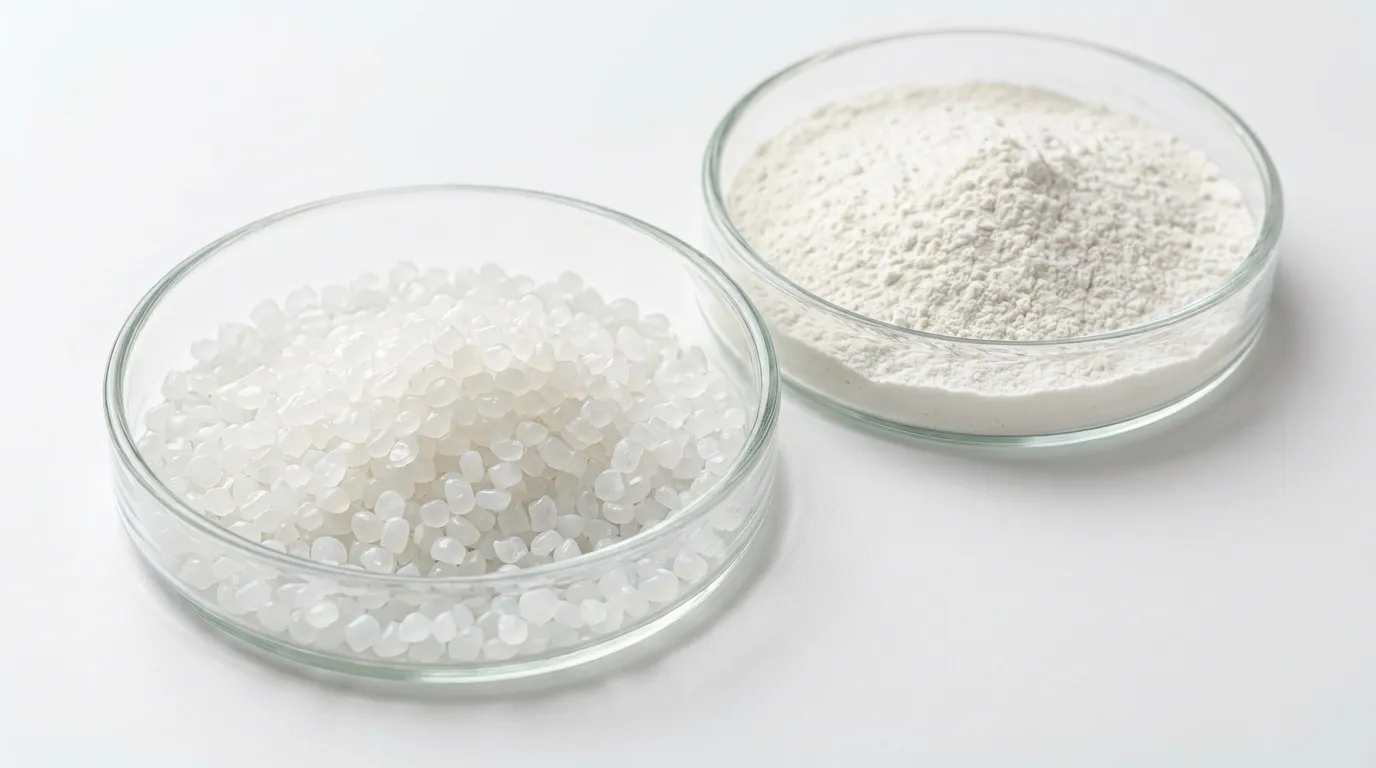
RawSource sells linear, water-soluble polyacrylamide flocculant in powder and granular form (CAS 9003-05-8). It is not crosslinked superabsorbent gel. These grades dissolve fully in water to make a flocculant solution for clarification, sludge dewatering, mining, paper, and erosion control. We supply anionic, cationic, and nonionic types as fine powder or free-flowing granules in 800 kg jumbo bags.
One point up front, because the market confuses it constantly: a water-soluble flocculant and a water-storing “gel crystal” are different products with different chemistry. This page sells the flocculant. For industry-by-industry application detail, see the polyacrylamide supplier and applications guide.
Product forms: powder, fine powder, and granular “crystals”
All of our forms are the same chemistry, a water-soluble linear polymer that dissolves completely; they differ only in particle size. Fine powder (KA3016-120, 120 mesh or finer) dissolves quickly but dusts more and needs careful wetting. Granular grades (KA3013PWG, KC5008UH, NA219 at 20 to 40 or 20 to 80 mesh), sometimes marketed as “crystals,” flow well, dust less, and dissolve a little more slowly.
Here is the disambiguation that matters. Our flocculant grades dissolve. The superabsorbent “water gel crystals” or “soil moisture crystals” sold for potting mixes are a different material: crosslinked polyacrylamide or polyacrylate that swells and holds water without dissolving. If your goal is a gel that stores water in soil, this is the wrong product, and you should not buy a flocculant for it. If your goal is to clarify water, dewater sludge, or control erosion, a water-soluble grade is exactly right. The practical trade-off between our forms is simple: fine powder for fastest dissolution, granular for cleaner handling and less dust.
Grades & specifications
Typical properties for the core grades are below. These are typical values, not a guaranteed specification; the Certificate of Analysis for your lot governs.
| Grade | Ionic type | Charge degree | Molecular weight | Form / mesh | Bulk density | pH (0.1%) | Typical use |
|---|---|---|---|---|---|---|---|
| KA3016-120 | Anionic | 30–35% | Very high | Fine powder, ≤120 mesh | 0.5–0.7 g/cm³ | ~7.2 | Mineral / inorganic clarification |
| KA3013PWG | Anionic | Low | High | Granular, 20–40 mesh | — | ~7.2 | Low-charge clarification, cement/grout |
| KC5008UH | Cationic | 35–40% | Very high | Granular, 20–40 mesh | — | ~7.2 | Organic sludge dewatering |
| NA219 / NA219A | Nonionic | 0–5% | 12–13 million | Granular, 20–80 mesh | — | ~7 | Paper, grouts, mixed solids |
Common across grades: water-insolubles held at 0.5% or below, white to off-white appearance, a 24-month shelf life stored dry, and 800 kg jumbo-bag packaging. Where the table shows a dash, that value is grade-specific and supplied on the TDS and quote rather than guessed here.
How to choose your grade
Pick the charge to oppose your particle, then pick molecular weight and form for the duty. Use anionic for inorganic and mineral solids, cationic for organic and municipal sludge, and nonionic where salinity or pH disrupts ionic polymers. Reach for very-high molecular weight (KA3016-120, KC5008UH) when settling speed or dryness is the goal, and low charge (KA3013PWG) where high charge would over-flocculate or interfere with cement. For form, choose fine powder where you have good make-up mixing and want fast dissolution, or granular where dust control and handling win. Detailed selection by industry sits in the applications guide.
How much to use & make-up solution
Prepare PAM as a dilute 0.1 to 0.2% stock (1 to 2 g per liter), then dose that solution into your stream. Sift the powder slowly into the vortex of well-stirred water to avoid clumps and “fisheyes,” then let the solution age so the chains fully hydrate before dosing, typically 30–60 minutes. Do not make up much stronger than 0.2%; the solution gets too viscous to pump and to disperse evenly. The recurring mistake is overdosing: past the optimum, charge reversal disperses the flocs and you spend more polymer for worse water. Step the dose up on a jar or dewatering test, then back off to the point just before clarity stops improving.
| Application | PAM type | Make-up solution | Working dose guidance |
|---|---|---|---|
| Mineral / inorganic water clarification | Anionic (high MW) | 0.1–0.2% | Set by jar test; typically 0.25–2 mg/L of treated water |
| Municipal / organic sludge dewatering | Cationic (very-high MW) | 0.1–0.2% | Set by dewatering trial, typically 5–15 kg/ton dry solids (set by dewatering trial) |
| Metal-hydroxide settling (after PAC) | Anionic | 0.1–0.2% | ~2–10 g/ton |
| Mining tailings thickening | Anionic (very-high MW) | 0.1–0.2% | Set by settling test |
| Cement / anti-washout, grout | Anionic (low charge) or nonionic | Per mix design | Typically ~0.02–0.1% by cement weight, per mix design |
| Paper retention & drainage | Nonionic / cationic | 0.1–0.2% | Set by retention trial |
| Furrow-irrigation erosion control | Anionic | ~10 ppm in irrigation water | ≤4 lb a.i./acre (USDA-NRCS) |
What polyacrylamide is used for
Erosion control is a small corner of where polyacrylamide goes. It is one of the highest-volume water-soluble polymers in industry, and the same flocculating and viscosity-building chemistry shows up across water treatment, oil and gas, mining, and papermaking. The grade you buy follows the job: anionic PAM for mineral and inorganic suspensions, cationic PAM for organic and biological solids, and high-molecular-weight grades where building viscosity is the point.
| Charge type | Best on | Typical use |
| Anionic | Mineral / inorganic, negatively or neutrally charged solids | Raw-water and mining clarification, EOR, sediment control |
| Cationic | Organic / biological, negatively charged solids | Municipal wastewater, sludge dewatering, paper retention |
| Nonionic | Mixed or low-charge systems | General flocculation where pH or salinity limits ionic grades |
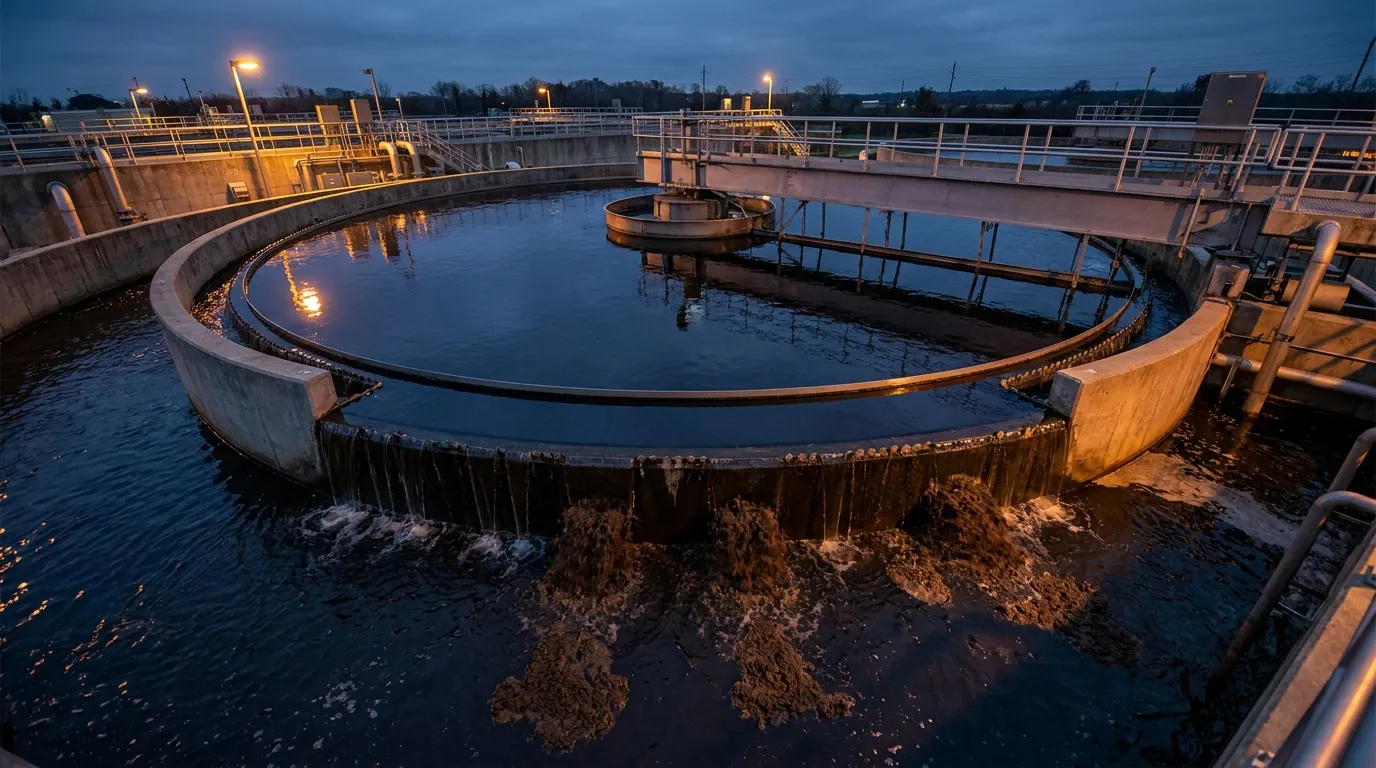
Water and wastewater treatment (flocculation)
This is the largest market for polyacrylamide. As a flocculant it bridges fine suspended particles into large, fast-settling flocs, so clarifiers run a clearer overflow and sludge dewaters to a drier cake. Anionic grades flocculate mineral and inorganic turbidity in raw-water and industrial clarification; cationic grades condition the negatively charged organic solids in municipal wastewater and sludge ahead of a belt press or centrifuge. Liquid streams typically dose a fraction of a ppm up to a few ppm; sludge conditioning is set in kilograms of active polymer per dry ton, dialed in by jar test on your own stream.
Enhanced oil recovery and oilfield
High-molecular-weight anionic polyacrylamide, including the partially hydrolyzed form known as HPAM, dissolves into injection water and raises its viscosity. That improves the mobility ratio of a waterflood, so the injected water sweeps oil ahead of it across more of the reservoir instead of fingering past the crude. The same polymer family is the friction reducer in slickwater hydraulic fracturing, cutting pumping pressure so proppant places at lower horsepower, and it serves as a viscosifier and fluid-loss additive in some drilling fluids.

Mining and mineral processing
In mineral processing, polyacrylamide flocculants settle fine particles in thickeners, clarify recycle water, and dewater tailings and concentrates. Grade selection — charge type, charge density and molecular weight — is matched to the ore and slurry chemistry, with anionic grades covering most mineral systems and cationic or nonionic grades used where the surface charge calls for it.
Papermaking (retention and drainage)
Cationic polyacrylamide is a retention and drainage aid on the paper machine. It helps fines and mineral fillers attach to the cellulose web so they stay in the sheet rather than washing into the white water, and it speeds drainage so the machine runs faster and the sheet forms more evenly.
Soil & erosion control (anionic PAM)
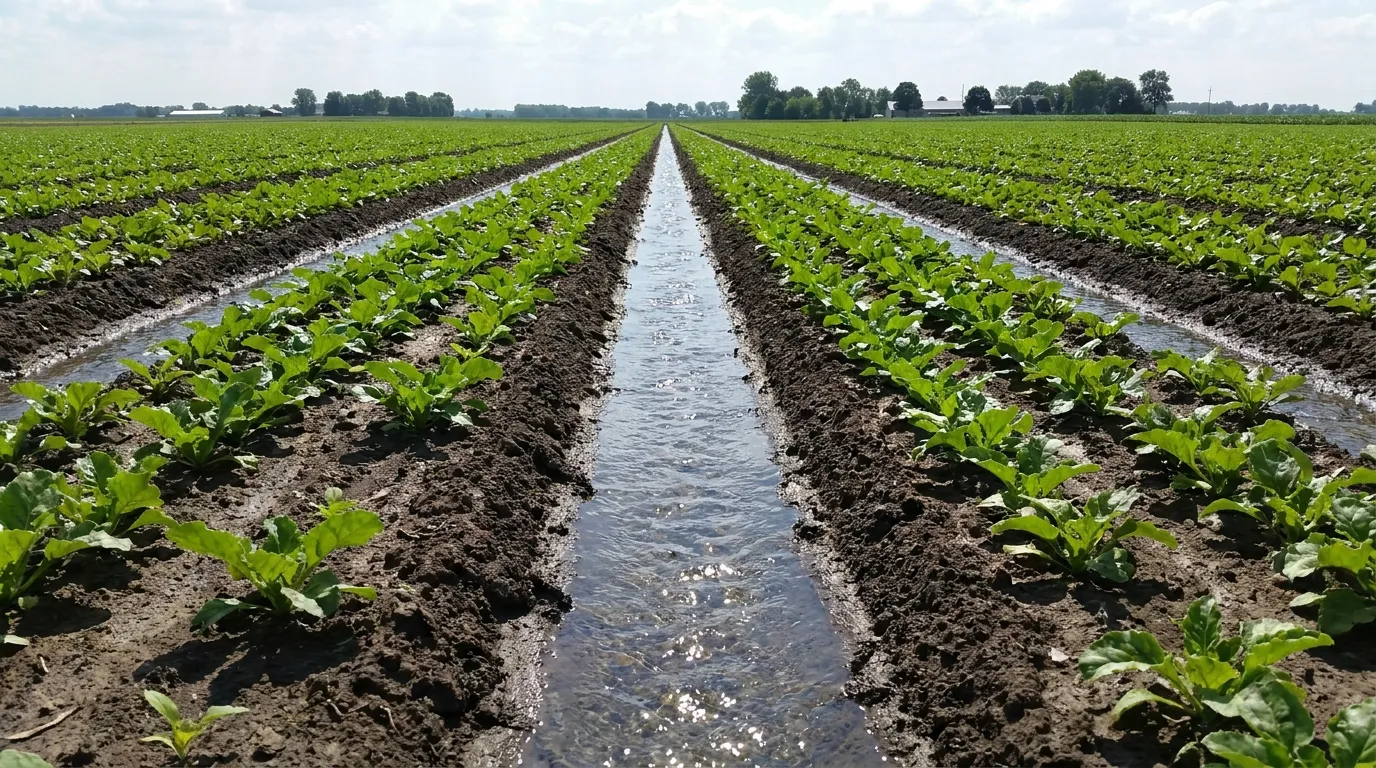
The one legitimate soil use for our water-soluble polyacrylamide is erosion control, not water storage. Anionic PAM applied at about 10 ppm in furrow-irrigation water binds soil particles so they stay in the field instead of washing into tailwater. Field work cited by USDA-NRCS reports on the order of 94% less sediment, with improved infiltration. NRCS practice keeps application at or below 4 lb of active ingredient per acre.
To be clear, this is the dissolving flocculant grade doing its job in moving water. It is not a crosslinked “water-absorbing crystal” that swells in the root zone. If a product claims to store water in soil for weeks, that is a superabsorbent and a different purchase. For erosion control, the anionic grades above are the correct material.
Packaging, storage & shelf life
PAM ships in 800 kg jumbo bags and carries a 24-month shelf life. Store sealed, dry, and out of direct sun, between 0 and 35°C. The dry polymer is hygroscopic, so reseal partial bags; absorbed moisture causes caking and slows dissolution. Keep the storage area dry for another reason worth flagging: spilled polymer becomes extremely slippery once wet, so clean up dry where possible and follow the SDS for spill handling.
Safety & residual-monomer note
Polyacrylamide the polymer should not be confused with acrylamide the monomer; the regulated concern is residual free acrylamide. The U.S. FDA limits residual acrylamide to 0.05% (500 ppm) in polyacrylamide used for certain food-contact and potable-water applications. Chemicals intended for drinking-water treatment are certified to NSF/ANSI 60, and water-treatment use is also subject to EPA requirements. We do not assert a certification for a grade unless it is documented, so specify any NSF/ANSI 60 or other requirement in your RFQ and we will confirm the grade’s status. Handling, exposure control, and suitability for your application are governed by the current SDS and your own compliance review.
Frequently asked questions
What is polyacrylamide?
Polyacrylamide (PAM, CAS 9003-05-8) is a high-molecular-weight, water-soluble polymer of acrylamide used as a flocculant, coagulant aid, and viscosifier. Our grades dissolve in water to form a flocculant solution.
Is polyacrylamide safe?
Polyacrylamide itself is a high-molecular-weight polymer; the regulated concern is residual free acrylamide monomer. The U.S. FDA limits residual acrylamide to 0.05% (500 ppm) in polyacrylamide for certain food-contact and potable uses, and drinking-water chemicals are certified to NSF/ANSI 60. Handling and suitability are governed by the current SDS and your own compliance review; request the certification status for the grade you need.
Anionic vs cationic: what is the difference?
Anionic PAM is negatively charged and suits inorganic and mineral solids (pH ~6 to 9). Cationic PAM is positively charged and suits organic and municipal sludge dewatering (pH ~4 to 7). Match the polymer to the opposite charge of your particle.
How much do I use?
Make up a 0.1 to 0.2% solution, then set the working dose by jar test or dewatering trial. Starting points exist for some duties, for example roughly 2 to 10 g/ton of anionic PAM for metal-hydroxide settling, or about 10 ppm in irrigation water (up to 4 lb a.i./acre) for erosion control per USDA-NRCS.
Powder vs gel: what is the difference?
Our powder and granular grades are water-soluble flocculant that dissolves fully. “Gel crystals” are crosslinked superabsorbent polymer that swells and holds water without dissolving. They are different products for different jobs; we sell the water-soluble flocculant.
Buy polyacrylamide / request a quote
To quote a bulk order, send the grade or the problem, your volume, water pH and temperature, the form you want, and any certification requirement. If you are unsure of the grade, describe your solids and we will start from the opposite-charge rule and recommend a bench trial before the first pallet ships.
Editorial note: This article is general technical reference for industrial and professional use, compiled from public sources and our typical product data. Values are typical, not a guaranteed specification, and nothing here is a medical, health, or efficacy claim. Always consult the current SDS and confirm regulatory status and suitability for your application and jurisdiction. The Certificate of Analysis for your lot governs.
Search 1,300+ industrial chemicals by name or CAS, or send us your spec — we quote by the drum, tote, or container.
Browse the Chemical Index → Request a Quote