
- ▸Technical data sheet: on request
- ▸Safety data sheet: on request
- ▸Certificate of analysis: issued per lot with each shipment
- ▸ Water treatment: Oxidant and disinfectant for municipal and industrial water
- ▸ Pulp and paper: Bleaching agent for wood pulp
- ▸ Chemical feedstock: Building block for chlorinated hydrocarbons
- ▸ Textile processing: Bleaching and wool shrink-proofing

GHS06
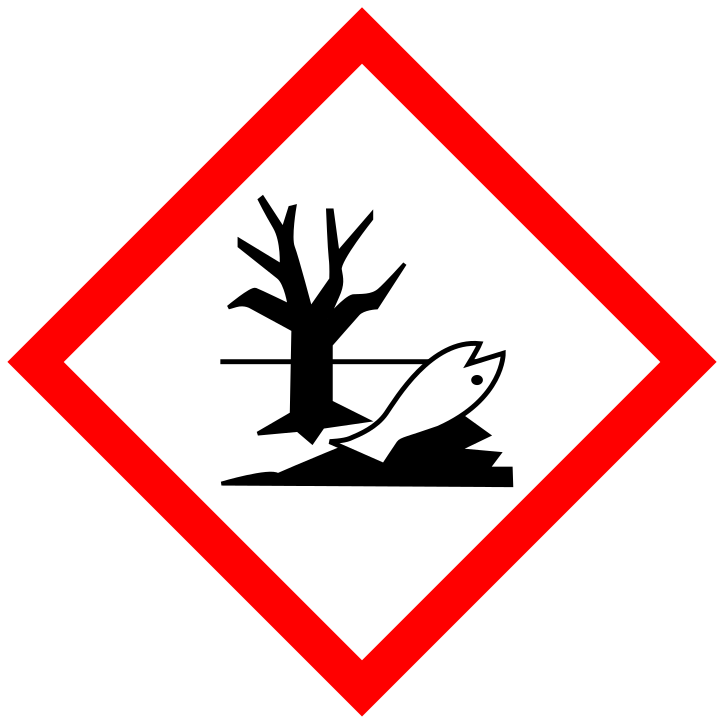
GHS09

GHS07
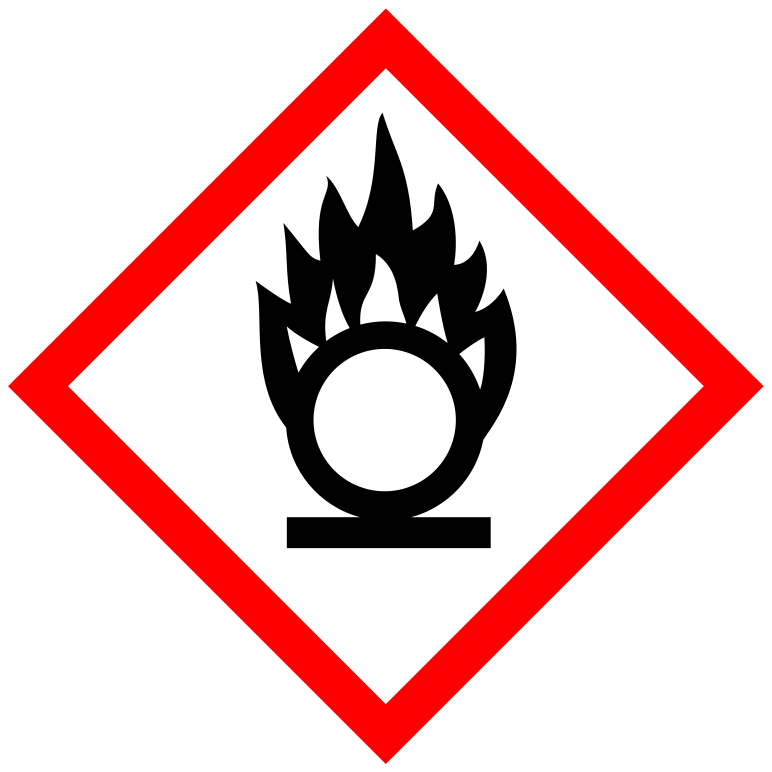
GHS03
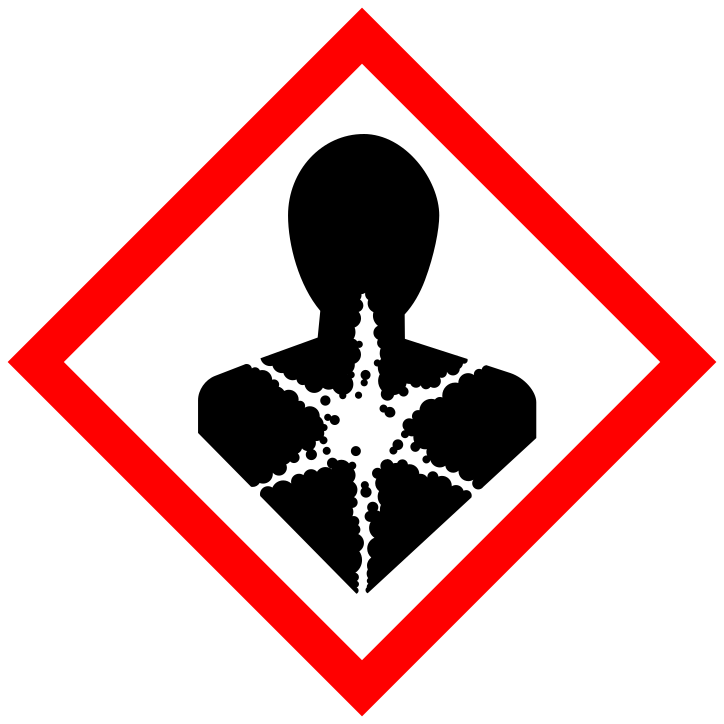
GHS08
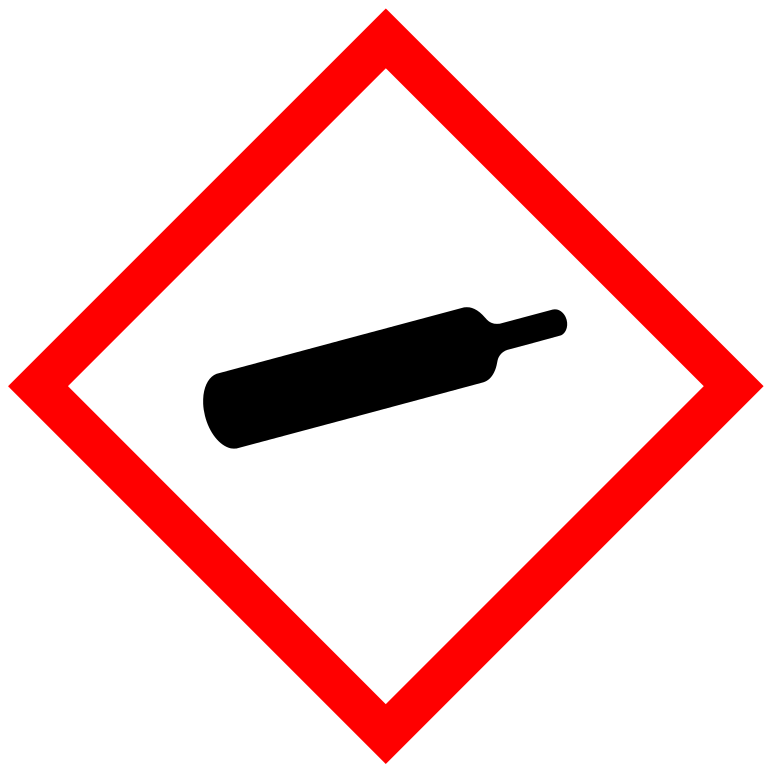
GHS04
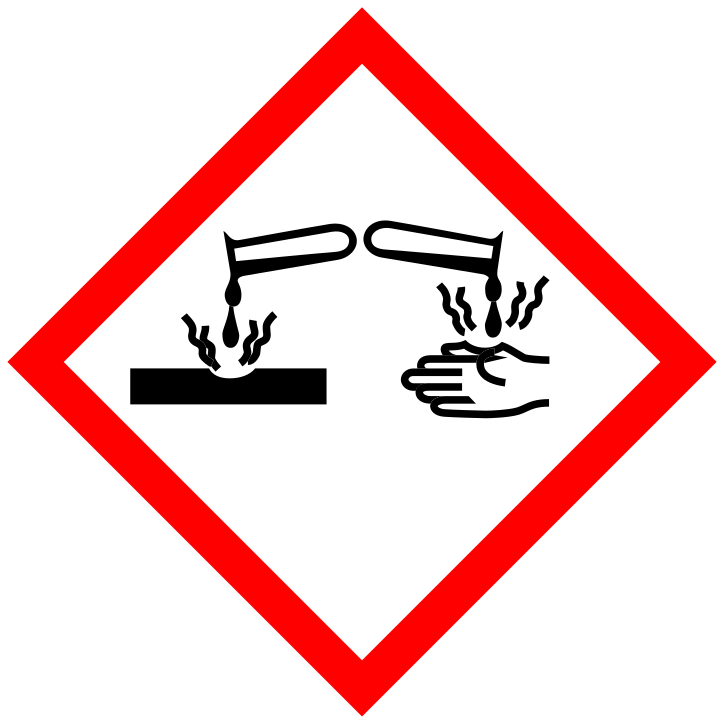
GHS05
- H370: Causes damage to organs [Danger Specific target organ toxicity, single exposure]
- H280: Contains gas under pressure; may explode if heated [Warning Gases under pressure]
- H319: Causes serious eye irritation [Warning Serious eye damage/eye irritation]
- H315: Causes skin irritation [Warning Skin corrosion/irritation]
- H335: May cause respiratory irritation [Warning Specific target organ toxicity, single exposure; Respiratory tract irritation]
- H331: Toxic if inhaled [Danger Acute toxicity, inhalation]
- H270: May cause or intensify fire; oxidizer [Danger Oxidizing gases]
- H330: Fatal if inhaled [Danger Acute toxicity, inhalation]
- H373: May causes damage to organs through prolonged or repeated exposure [Warning Specific target organ toxicity, repeated exposure]
- H318: Causes serious eye damage [Danger Serious eye damage/eye irritation]
- H410 (17.7%): Very toxic to aquatic life with long lasting effects [Warning Hazardous to the aquatic environment, long-term hazard]
- H400 (100%): Very toxic to aquatic life [Warning Hazardous to the aquatic environment, acute hazard]
- H372: Causes damage to organs through prolonged or repeated exposure [Danger Specific target organ toxicity, repeated exposure]
- H314: Causes severe skin burns and eye damage [Danger Skin corrosion/irritation]
Precautionary statement codes: P220, P244, P261, P264, P264+P265, P271, P273, P280, P302+P352, P304+P340, P305+P351+P338, P316, P319, P321, P332+P317, P337+P317, P362+P364, P370+P376, P391, P403, P403+P233, P405, P410+P403, P501, P260, P284, P320, P270, P301+P330+P331, P302+P361+P354, P305+P354+P338, P308+P316, P317, P363
Source: PubChem, compound CID 24526, Safety and Hazards: GHS Classification
A grade-specific Safety Data Sheet (SDS) — with the complete hazard classification, handling precautions, and transport information — is supplied with every shipment and available on request. Confirm all safety and regulatory details against the SDS for your specific grade.
Request SDS →
UN number source: PubChem, compound CID 24526, Transport Information. Class, packing group and proper shipping name: 49 CFR 172.101 Hazardous Materials Table. Confirm against the grade-specific SDS (Section 14) before shipping.
Chlorine (CAS 7782-50-5) is a greenish-yellow halogen gas and a high-volume industrial oxidant. It is used in water treatment and purification, in the bleaching of wood pulp and textiles, and as a feedstock in the manufacture of chlorinated hydrocarbons. It also serves as a disinfectant and biocide across municipal and industrial water systems.
Regulatory & registration requirements
- TSCA (US):
- REACH (EU):
- EC number: 231-959-5
Source: EPA TSCA Inventory (July 2025 release) · ECHA CHEM — retrieved 2026-07-12
Frequently Asked Questions
What is chlorine used for?
Chlorine is a high-volume industrial oxidant used in water treatment and purification, in the bleaching of wood pulp and textiles, and as a feedstock for chlorinated hydrocarbons. It also serves as a disinfectant and biocide across municipal and industrial water systems. RawSource supplies it for industrial use.
Where is chlorine found / how is it produced?
Chlorine (Cl2) is a greenish-yellow halogen gas produced industrially by the electrolysis of brine (chlor-alkali process), which co-produces caustic soda and hydrogen. It is supplied as a liquefied compressed gas. The CAS is 7782-50-5.
What is the UN/DOT classification for shipping chlorine?
Chlorine ships under UN 1017 (Chlorine), a Division 2.3 toxic gas with subsidiary hazards. It requires authorized pressurized containers, placarding, and trained handling. Review the SDS and applicable transport regulations before ordering; RawSource ships with compliant documentation and labeling.
What is the chemical formula and HS code for chlorine?
The molecular formula is Cl2 and the CAS is 7782-50-5; it is typically classified under HS 280110. Confirm the correct tariff classification with your customs broker for your destination. RawSource includes HS references on shipping documentation.
What bulk packaging is industrial chlorine available in?
As a liquefied compressed gas, chlorine is supplied in approved cylinders, ton containers, or larger bulk systems subject to regulatory and handling requirements. An SDS accompanies each shipment. Submit a bulk RFQ with your volume and delivery requirements for a current quote.
What is the REACH and TSCA regulatory status of Chlorine?
Chlorine (CAS 7782-50-5) is subject to U.S. TSCA Inventory requirements; supplying it into the EU requires valid REACH registration ((EC) No 1907/2006). Buyers should require documented TSCA and REACH compliance for their jurisdiction and volume (EC 231-959-5).
What is the CAS number of Chlorine?
The CAS number of Chlorine is 7782-50-5.