
ACRYLIC ACID- ▸Technical data sheet: on request
- ▸Safety data sheet: on request
- ▸Certificate of analysis: issued per lot with each shipment
- ▸ Monomer: Base monomer for polyacrylic acid, salts, and acrylic polymers.
- ▸ Acrylate esters: Feedstock for ethyl, butyl, methyl, and 2-ethylhexyl acrylate.
- ▸ Superabsorbents: Polymerized into superabsorbent polymers (SAPs).
- ▸ Coatings and adhesives: Emulsion polymers for paints, coatings, and adhesives.

GHS06
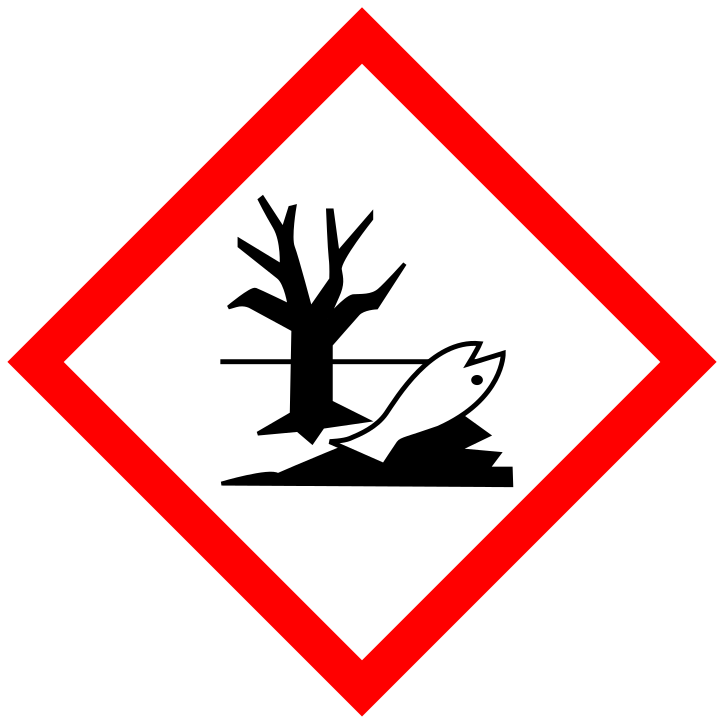
GHS09
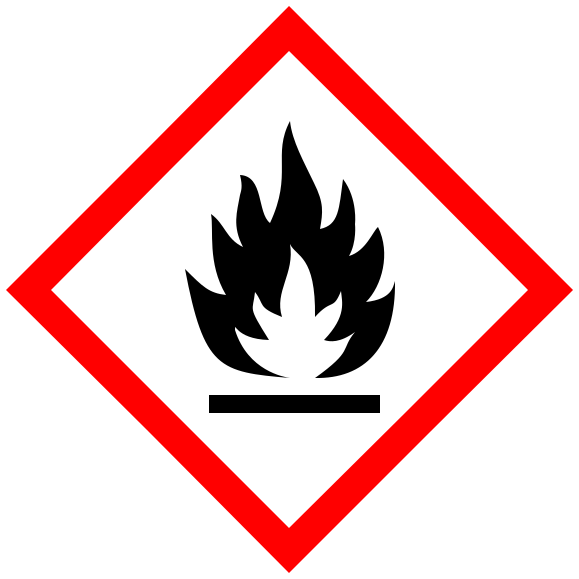
GHS02

GHS07
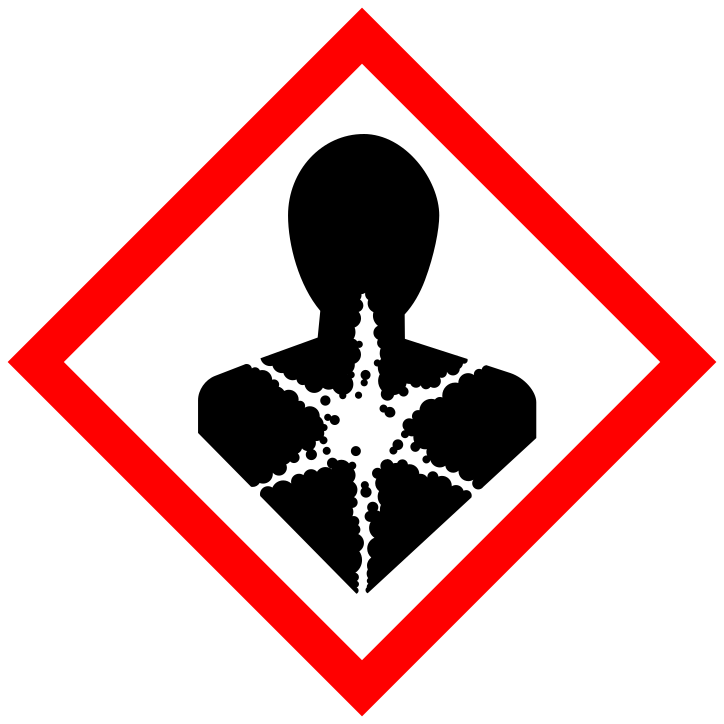
GHS08
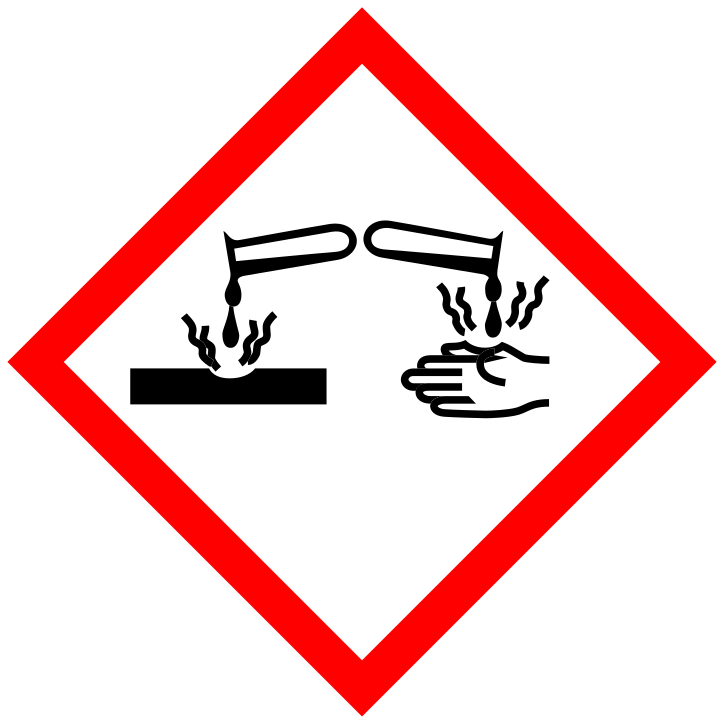
GHS05
- H370: Causes damage to organs [Danger Specific target organ toxicity, single exposure]
- H302: Harmful if swallowed [Warning Acute toxicity, oral]
- H331: Toxic if inhaled [Danger Acute toxicity, inhalation]
- H335: May cause respiratory irritation [Warning Specific target organ toxicity, single exposure; Respiratory tract irritation]
- H226 (> 99.9%): Flammable liquid and vapor [Warning Flammable liquids]
- H314 (> 99.9%): Causes severe skin burns and eye damage [Danger Skin corrosion/irritation]
- H311: Toxic in contact with skin [Danger Acute toxicity, dermal]
- H411: Toxic to aquatic life with long lasting effects [Hazardous to the aquatic environment, long-term hazard]
- H302+H312+H332 (32.1%): Harmful if swallowed, in contact with skin or if inhaled [Warning Acute toxicity, oral; acute toxicity, dermal; acute toxicity, inhalation]
- H318 (22.2%): Causes serious eye damage [Danger Serious eye damage/eye irritation]
- H400 (> 99.9%): Very toxic to aquatic life [Warning Hazardous to the aquatic environment, acute hazard]
- H312: Harmful in contact with skin [Warning Acute toxicity, dermal]
- H332 (99.6%): Harmful if inhaled [Warning Acute toxicity, inhalation]
- H372: Causes damage to organs through prolonged or repeated exposure [Danger Specific target organ toxicity, repeated exposure]
- H371: May cause damage to organs [Warning Specific target organ toxicity, single exposure]
Precautionary statement codes: P210, P233, P240, P241, P242, P243, P260, P261, P264, P264+P265, P270, P271, P273, P280, P301+P317, P301+P330+P331, P302+P352, P302+P361+P354, P303+P361+P353, P304+P340, P305+P354+P338, P316, P317, P319, P321, P330, P362+P364, P363, P370+P378, P391, P403+P233, P403+P235, P405, P501, P262, P308+P316, P361+P364
Reported as not meeting GHS hazard criteria by 35 of 35 companies.
Source: PubChem, compound CID 6581, Safety and Hazards: GHS Classification
A grade-specific Safety Data Sheet (SDS) — with the complete hazard classification, handling precautions, and transport information — is supplied with every shipment and available on request. Confirm all safety and regulatory details against the SDS for your specific grade.
Request SDS →
UN number source: PubChem, compound CID 6581, Transport Information. Class, packing group and proper shipping name: 49 CFR 172.101 Hazardous Materials Table. Confirm against the grade-specific SDS (Section 14) before shipping.
Acrylic acid (CAS 79-10-7) is an unsaturated carboxylic acid and the principal monomer of acrylic chemistry. Most is converted to acrylate esters (ethyl, butyl, methyl, 2-ethylhexyl acrylate) and to polyacrylic acid and its salts; major polymer outlets include superabsorbents, coatings, adhesives, paints, and emulsion polymers.
Regulatory & registration requirements
- TSCA (US):
- REACH (EU):
- EC number: 201-177-9
Source: EPA TSCA Inventory (July 2025 release) · ECHA CHEM — retrieved 2026-07-12
Frequently Asked Questions
What is acrylic acid used for?
Acrylic acid (CAS 79-10-7) is the principal monomer of acrylic chemistry. Most is converted to acrylate esters (ethyl, butyl, methyl, 2-ethylhexyl) and to polyacrylic acid and its salts, feeding superabsorbent polymers, coatings, adhesives, paints, and emulsion polymers. RawSource supplies it in bulk for industrial use.
What is another name for acrylic acid?
Acrylic acid is also called prop-2-enoic acid (2-propenoic acid) or ethylenecarboxylic acid; it has formula C3H4O2 and CAS 79-10-7. It is an unsaturated carboxylic acid.
How is acrylic acid made?
Industrially, acrylic acid is produced predominantly by the two-stage catalytic vapor-phase oxidation of propylene (via acrolein) to acrylic acid. It is supplied stabilized with an inhibitor to prevent premature polymerization; confirm inhibitor type and level on the Certificate of Analysis.
How is acrylic acid shipped and classified for transport?
Stabilized acrylic acid ships under UN 2218 (ACRYLIC ACID, STABILIZED). The inhibitor, temperature control, packing group, and handling requirements are detailed on the SDS; it is offered in drums, IBCs/totes, and bulk. Confirm transport details on the SDS for your shipment.
What is the cost of bulk acrylic acid?
Pricing depends on grade, stabilization, volume, packaging, and destination. RawSource quotes acrylic acid per order for drum, tote, or bulk quantities; submit your specification and volume for a current bulk quote. CoA and SDS accompany shipment.
What is the REACH and TSCA regulatory status of Acrylic Acid (AA)?
Acrylic Acid (AA) (CAS 79-10-7) is subject to U.S. TSCA Inventory requirements; supplying it into the EU requires valid REACH registration ((EC) No 1907/2006). Buyers should require documented TSCA and REACH compliance for their jurisdiction and volume (EC 201-177-9).
What is the molecular formula of Acrylic acid?
The molecular formula of Acrylic acid is C3H4O2.
What is the CAS number of Acrylic acid?
The CAS number of Acrylic acid is 79-10-7.
What is the molecular weight of Acrylic acid?
The molecular weight of Acrylic acid is 72.06 g/mol (PubChem).