
ACRYLIC ACID- ▸Technical data sheet: on request
- ▸Safety data sheet: on request
- ▸Certificate of analysis: issued per lot with each shipment
- ▸ Monomer: Basismonomer für Polyacrylsäure, deren Salze und Acrylpolymere.
- ▸ Acrylatester: Rohstoff für Ethyl-, Butyl-, Methyl- und 2-Ethylhexylacrylat.
- ▸ Superabsorber: Polymerisation zu Superabsorberpolymeren (SAP).
- ▸ Beschichtungen und Klebstoffe: Emulsionspolymere für Lacke, Beschichtungen und Klebstoffe.
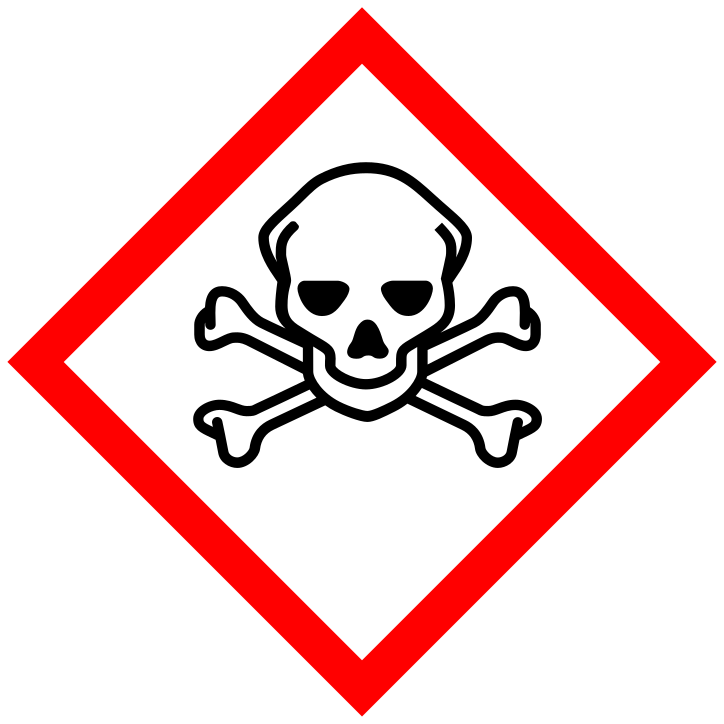
GHS06
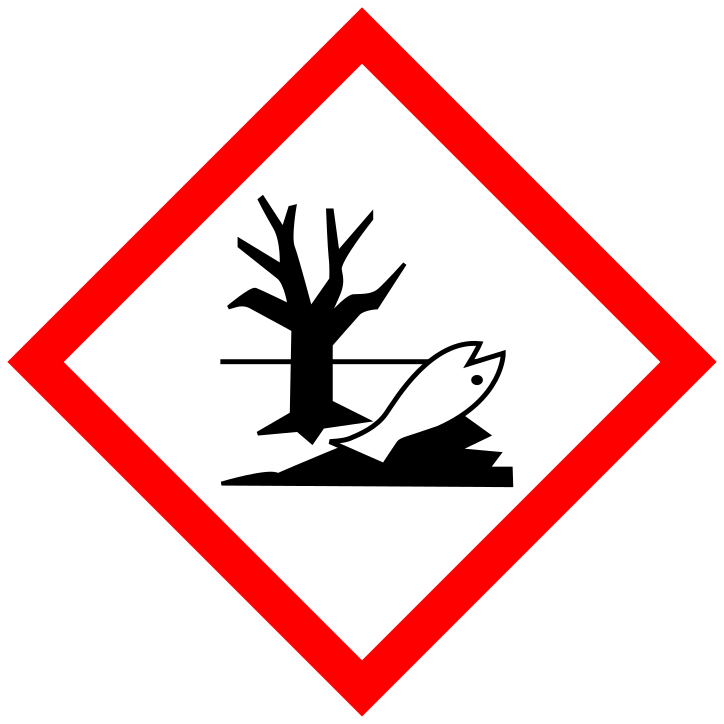
GHS09
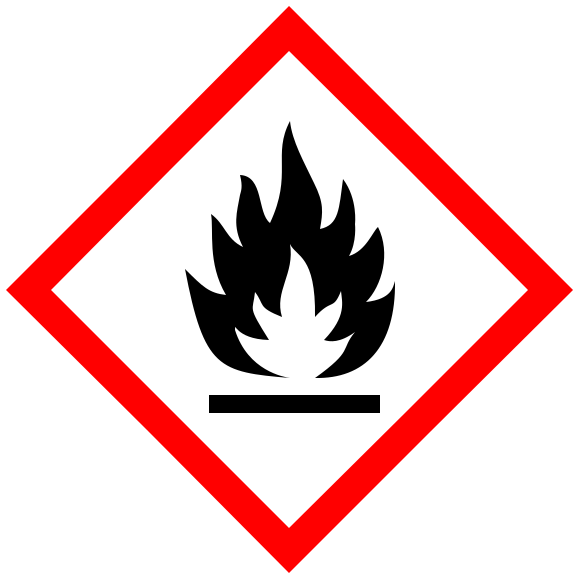
GHS02
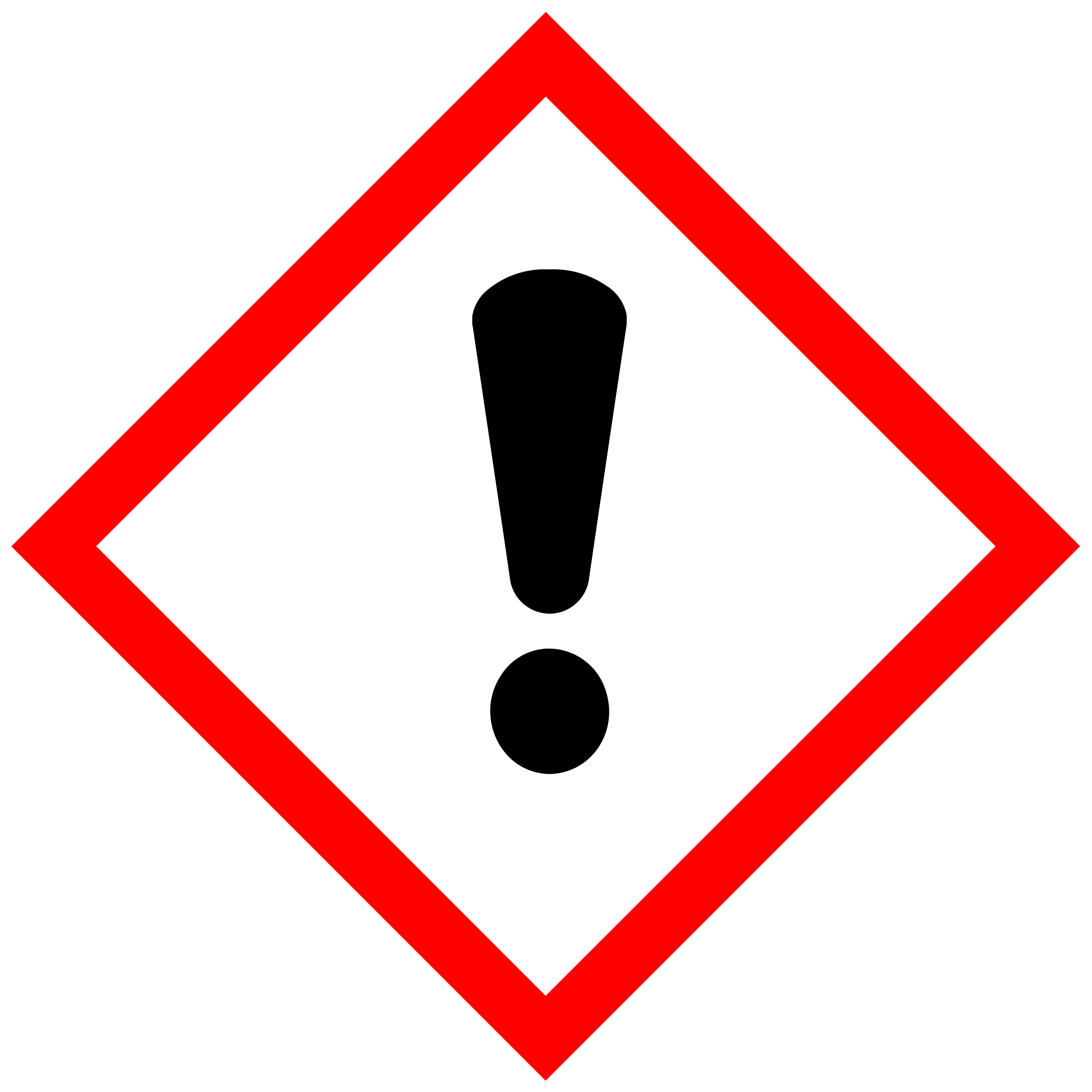
GHS07
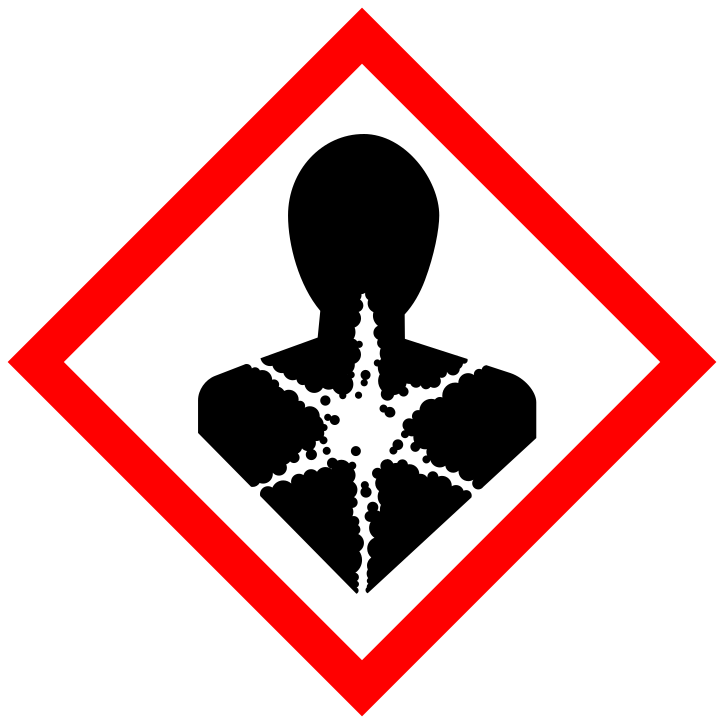
GHS08
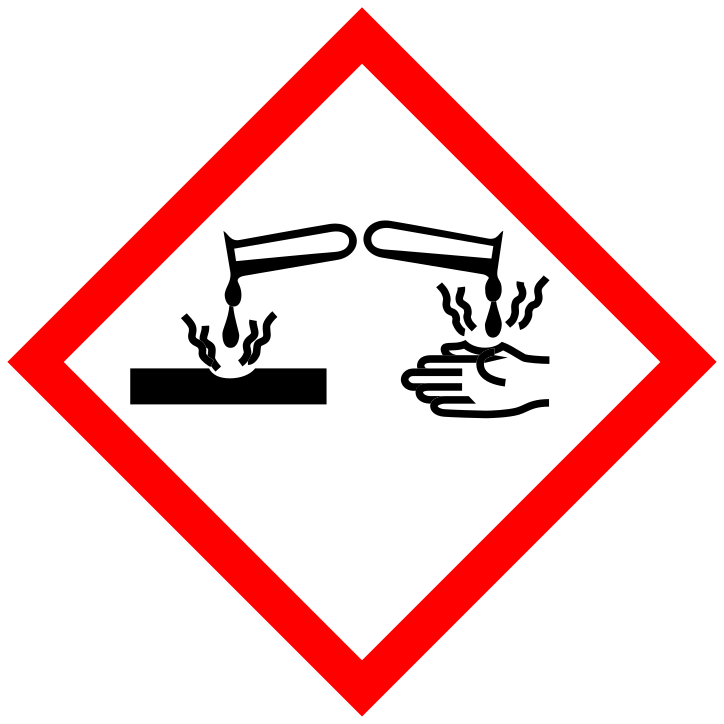
GHS05
- H370: Causes damage to organs [Danger Specific target organ toxicity, single exposure]
- H302: Harmful if swallowed [Warning Acute toxicity, oral]
- H331: Toxic if inhaled [Danger Acute toxicity, inhalation]
- H335: May cause respiratory irritation [Warning Specific target organ toxicity, single exposure; Respiratory tract irritation]
- H226 (> 99.9%): Flammable liquid and vapor [Warning Flammable liquids]
- H314 (> 99.9%): Causes severe skin burns and eye damage [Danger Skin corrosion/irritation]
- H311: Toxic in contact with skin [Danger Acute toxicity, dermal]
- H411: Toxic to aquatic life with long lasting effects [Hazardous to the aquatic environment, long-term hazard]
- H302+H312+H332 (32.1%): Harmful if swallowed, in contact with skin or if inhaled [Warning Acute toxicity, oral; acute toxicity, dermal; acute toxicity, inhalation]
- H318 (22.2%): Causes serious eye damage [Danger Serious eye damage/eye irritation]
- H400 (> 99.9%): Very toxic to aquatic life [Warning Hazardous to the aquatic environment, acute hazard]
- H312: Harmful in contact with skin [Warning Acute toxicity, dermal]
- H332 (99.6%): Harmful if inhaled [Warning Acute toxicity, inhalation]
- H372: Causes damage to organs through prolonged or repeated exposure [Danger Specific target organ toxicity, repeated exposure]
- H371: May cause damage to organs [Warning Specific target organ toxicity, single exposure]
Precautionary statement codes: P210, P233, P240, P241, P242, P243, P260, P261, P264, P264+P265, P270, P271, P273, P280, P301+P317, P301+P330+P331, P302+P352, P302+P361+P354, P303+P361+P353, P304+P340, P305+P354+P338, P316, P317, P319, P321, P330, P362+P364, P363, P370+P378, P391, P403+P233, P403+P235, P405, P501, P262, P308+P316, P361+P364
Reported as not meeting GHS hazard criteria by 35 of 35 companies.
Source: PubChem, compound CID 6581, Safety and Hazards: GHS Classification
Das sortenspezifische Sicherheitsdatenblatt (SDS) — mit vollständiger Gefahreneinstufung, Handhabungshinweisen und Transportinformationen — liegt jeder Lieferung bei und ist auf Anfrage erhältlich. Prüfen Sie alle Sicherheits- und Zulassungsangaben anhand des SDS für Ihre spezifische Sorte.
SDS anfordern →
UN number source: PubChem, compound CID 6581, Transport Information. Class, packing group and proper shipping name: 49 CFR 172.101 Hazardous Materials Table. Confirm against the grade-specific SDS (Section 14) before shipping.
Acrylsäure (CAS 79-10-7) ist eine ungesättigte Carbonsäure und das wichtigste Monomer der Acrylatchemie. Der Großteil wird zu Acrylatestern (Ethyl-, Butyl-, Methyl-, 2-Ethylhexylacrylat) sowie zu Polyacrylsäure und deren Salzen umgesetzt; wichtige Polymerabnehmer sind Superabsorber, Beschichtungen, Klebstoffe, Lacke und Emulsionspolymere.
Regulatorische & Registrierungsanforderungen
- TSCA (US):
- REACH (EU):
- EC-Nummer: 201-177-9
Quelle: EPA TSCA Inventory (Release Juli 2025) · ECHA CHEM — abgerufen am 12.07.2026
Häufig gestellte Fragen
Wofür wird Acrylsäure verwendet?
Acrylsäure (CAS 79-10-7) ist das wichtigste Monomer der Acrylatchemie. Der Großteil wird zu Acrylestern (Ethyl-, Butyl-, Methyl-, 2-Ethylhexyl-) sowie zu Polyacrylsäure und deren Salzen verarbeitet, die in Superabsorberpolymeren, Beschichtungen, Klebstoffen, Lacken und Emulsionspolymeren eingesetzt werden. RawSource liefert sie für den industriellen Gebrauch im Bulk.
Wie lautet ein weiterer Name für Acrylsäure?
Acrylsäure wird auch als Prop-2-ensäure (2-Propensäure) oder Ethylencarbonsäure bezeichnet; sie hat die Formel C3H4O2 und die CAS-Nummer 79-10-7. Es handelt sich um eine ungesättigte Carbonsäure.
Wie wird Acrylsäure hergestellt?
Industriell wird Acrylsäure überwiegend durch die zweistufige katalytische Gasphasenoxidation von Propylen (über Acrolein) zu Acrylsäure erzeugt. Sie wird stabilisiert mit einem Inhibitor geliefert, um eine vorzeitige Polymerisation zu verhindern; Inhibitortyp und -gehalt sind im Analysenzertifikat zu bestätigen.
Wie wird Acrylsäure versandt und für den Transport klassifiziert?
Stabilisierte Acrylsäure wird unter UN 2218 (ACRYLIC ACID, STABILIZED) versandt. Inhibitor, Temperaturkontrolle, Verpackungsgruppe und Handhabungsanforderungen sind im Sicherheitsdatenblatt detailliert; sie wird in Fässern, IBCs/Tanks und im Bulk angeboten. Transportdetails für Ihre Sendung sind im Sicherheitsdatenblatt zu bestätigen.
Was kostet Acrylsäure im Bulk?
Die Preisgestaltung hängt von Qualität, Stabilisierung, Volumen, Verpackung und Bestimmungsort ab. RawSource erstellt Angebote für Acrylsäure je nach Auftrag für Fass-, Tank- oder Bulkmengen; reichen Sie Ihre Spezifikation und Menge für ein aktuelles Bulkangebot ein. Analysenzertifikat und Sicherheitsdatenblatt begleiten die Lieferung.
Wie ist der REACH- und TSCA-Regulierungsstatus von Acrylsäure (AA)?
Acrylsäure (AA) (CAS 79-10-7) unterliegt den Anforderungen des U.S. TSCA Inventory; die Lieferung in die EU erfordert eine gültige REACH-Registrierung ((EG) Nr. 1907/2006). RawSource kann Registrierungen von Drittlieferanten nicht verifizieren — Käufer sollten dokumentierte TSCA- und REACH-Konformität für ihren Zuständigkeitsbereich und ihr Volumen anfordern (EC 201-177-9).