
ZINC SULFATE- ▸Technical data sheet: on request
- ▸Safety data sheet: on request
- ▸Certificate of analysis: issued per lot with each shipment
- ▸ Agriculture: Zinc micronutrient for fertilizers and foliar sprays
- ▸ Animal nutrition: Zinc supplement in feed premixes
- ▸ Electroplating: Electrolyte in zinc-plating baths
- ▸ Textiles: Mordant in dyeing and printing
- ▸ Mineral processing: Flotation reagent and depressant
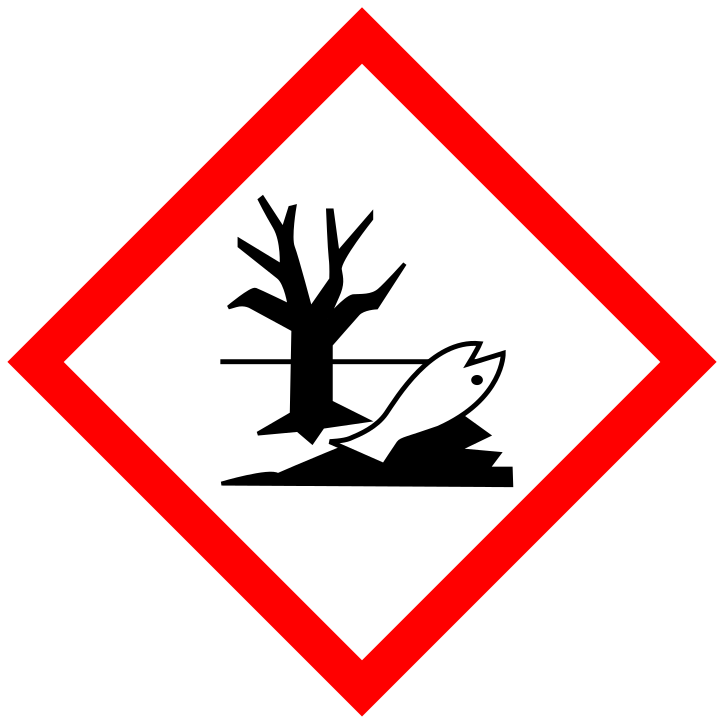
GHS09

GHS07
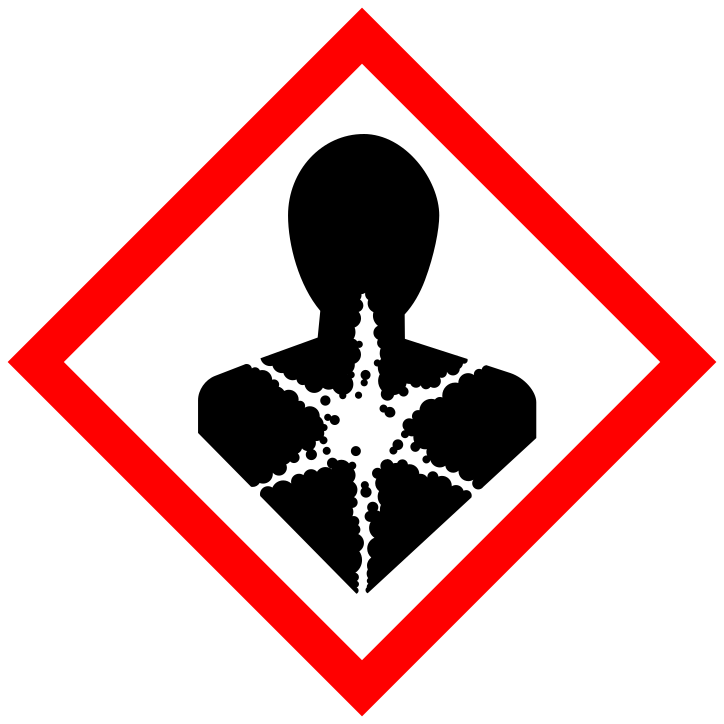
GHS08
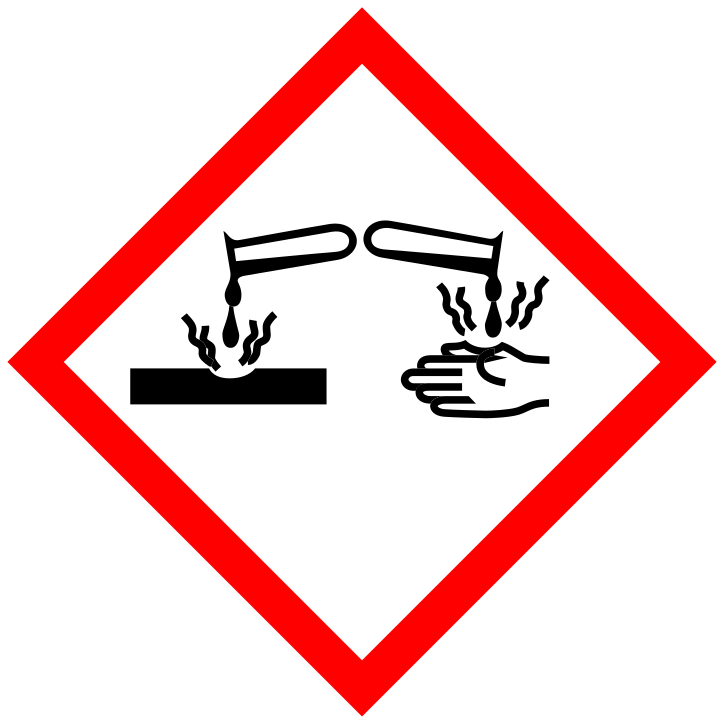
GHS05
- H302 (94.2%): Harmful if swallowed [Warning Acute toxicity, oral]
- H400: Very toxic to aquatic life [Warning Hazardous to the aquatic environment, acute hazard]
- H361: Suspected of damaging fertility or the unborn child [Warning Reproductive toxicity]
- H318: Causes serious eye damage [Danger Serious eye damage/eye irritation]
- H372: Causes damage to organs through prolonged or repeated exposure [Danger Specific target organ toxicity, repeated exposure]
- H410: Very toxic to aquatic life with long lasting effects [Warning Hazardous to the aquatic environment, long-term hazard]
- H371: May cause damage to organs [Warning Specific target organ toxicity, single exposure]
Precautionary statement codes: P264, P264+P265, P270, P273, P280, P301+P317, P305+P354+P338, P317, P330, P391, P501, P203, P260, P308+P316, P318, P319, P405
Source: PubChem, compound CID 24424, Safety and Hazards: GHS Classification
A grade-specific Safety Data Sheet (SDS) — with the complete hazard classification, handling precautions, and transport information — is supplied with every shipment and available on request. Confirm all safety and regulatory details against the SDS for your specific grade.
Request SDS →Zinc sulfate (CAS 7733-02-0) is a water-soluble zinc salt. It is used as a zinc micronutrient in fertilizers and animal feeds, as an electrolyte in zinc electroplating, as a mordant in textile dyeing and printing, as a flotation reagent in ore processing, and as a wood and hide preservative.
Regulatory & registration requirements
- TSCA (US):
- REACH (EU):
- EC number: 231-793-3
Source: EPA TSCA Inventory (July 2025 release) · ECHA CHEM — retrieved 2026-07-12
Solutions Using This Product
Process-solution guides on this site that specify this chemistry:
- Foot Bath and Hoof Care Chemistry for Livestock (Agriculture)
- Chelated Micronutrients That Stay Plant-Available (Agriculture)
Frequently Asked Questions
What is zinc sulfate used for?
Zinc sulfate (CAS 7733-02-0) is a water-soluble zinc salt used as a zinc micronutrient in fertilizers and animal feed, an electrolyte in zinc electroplating, a mordant in textile dyeing and printing, a flotation reagent in ore processing, and a wood and hide preservative.
What is the chemical formula for zinc sulfate?
Anhydrous zinc sulfate is ZnSO4 (CAS 7733-02-0). It is also commonly supplied as the monohydrate (ZnSO4·H2O) and heptahydrate (ZnSO4·7H2O), which differ in water of crystallization and zinc content per gram.
Is zinc sulfate water soluble?
Yes. Zinc sulfate is highly water soluble, which supports its use in liquid fertilizers, foliar sprays, plating baths, and flotation circuits where an aqueous zinc source is needed.
How does zinc sulfate ship under DOT?
RawSource provides the SDS and bulk quotes; confirm shipping requirements for your destination. For transport classification, see section 14 of the Safety Data Sheet (SDS).
How is bulk zinc sulfate supplied and what does it cost?
RawSource supplies zinc sulfate as a bulk powder or crystal in industrial pack sizes with CoA available. Pricing depends on hydrate form, grade, and volume, so request a current bulk quote rather than a list price.
What is the REACH and TSCA regulatory status of Zinc Sulfate?
Zinc Sulfate (CAS 7733-02-0) is subject to U.S. TSCA Inventory requirements; supplying it into the EU requires valid REACH registration ((EC) No 1907/2006). Buyers should require documented TSCA and REACH compliance for their jurisdiction and volume (EC 231-793-3).