
DIPHENYL ETHER- ▸Technical data sheet: on request
- ▸Safety data sheet: on request
- ▸Certificate of analysis: issued per lot with each shipment
- ▸ Heat-transfer fluid: High-temperature heat-transfer medium.
- ▸ Chemical intermediate: Feedstock for surfactants and derivatives.
- ▸ Fragrance ingredient: Fixative/odorant in soaps and perfumery.
- ▸ Dye carrier: Carrier in textile dyeing.
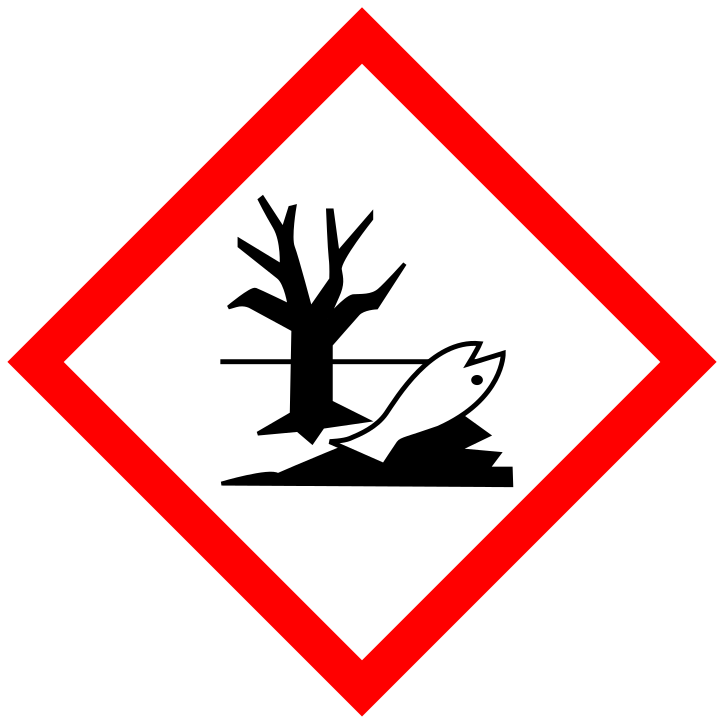
GHS09

GHS07
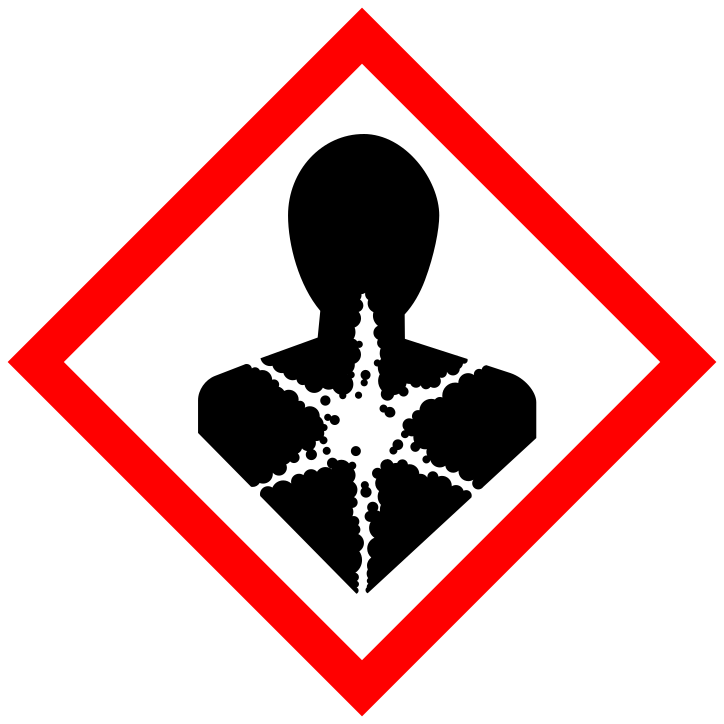
GHS08
- H410 (10.3%): Very toxic to aquatic life with long lasting effects [Warning Hazardous to the aquatic environment, long-term hazard]
- H411: Toxic to aquatic life with long lasting effects [Hazardous to the aquatic environment, long-term hazard]
- H316: Causes mild skin irritation [Warning Skin corrosion/irritation]
- H400: Very toxic to aquatic life [Warning Hazardous to the aquatic environment, acute hazard]
- H401: Toxic to aquatic life [Hazardous to the aquatic environment, acute hazard]
- H303: May be harmful if swallowed [Warning Acute toxicity, oral]
- H360Df: May damage the unborn child; Suspected of damaging fertility [Danger Reproductive toxicity]
- H319 (84.8%): Causes serious eye irritation [Warning Serious eye damage/eye irritation]
- H320: Causes eye irritation [Warning Serious eye damage/eye irritation]
Precautionary statement codes: P273, P391, P501, P264+P265, P301+P317, P305+P351+P338, P332+P317, P337+P317, P280, P203, P318, P405
Source: PubChem, compound CID 7583, Safety and Hazards: GHS Classification
A grade-specific Safety Data Sheet (SDS) — with the complete hazard classification, handling precautions, and transport information — is supplied with every shipment and available on request. Confirm all safety and regulatory details against the SDS for your specific grade.
Request SDS →Diphenyl ether (CAS 101-84-8), also called diphenyl oxide, is an aromatic ether. It is used as a high-temperature heat-transfer medium, a chemical intermediate for surface-active agents and other derivatives, and a fragrance ingredient in soaps and perfumery.
Regulatory & registration requirements
- TSCA (US):
- REACH (EU):
- EC number: 202-981-2
Source: EPA TSCA Inventory (July 2025 release) · ECHA CHEM — retrieved 2026-07-12
Solutions Using This Product
Process-solution guides on this site that specify this chemistry:
- Heat Transfer & Thermal Fluids (Industrial Manufacturing)
Frequently Asked Questions
What is diphenyl ether used for?
Diphenyl ether (diphenyl oxide) is an aromatic ether used as a high-temperature heat-transfer medium (often blended with biphenyl), as a chemical intermediate for surfactants and other derivatives, as a fragrance fixative/odorant in soaps and perfumery, and as a carrier in textile dyeing.
What are diphenyl ether herbicides?
Diphenyl ether herbicides are a class of agrochemical active ingredients built on a substituted diphenyl ether backbone (examples include oxyfluorfen, fomesafen, and acifluorfen). Diphenyl ether itself (CAS 101-84-8) is the parent aromatic ether and a chemical intermediate, not a finished herbicide.
What is the chemical formula and CAS of diphenyl ether?
Diphenyl ether is C12H10O, CAS 101-84-8, also called diphenyl oxide. It is an aromatic ether (two phenyl groups joined by an oxygen). Identity and physical properties are documented on the CoA and SDS.
Is diphenyl ether naturally occurring?
Diphenyl ether occurs in trace amounts in some natural sources such as certain plant volatiles, but the material RawSource supplies is manufactured to industrial specification. The CoA documents purity and identity for each lot.
How is diphenyl ether shipped and classified?
The SDS and transport documentation accompany each bulk order; request the current SDS for full detail. For transport classification, see section 14 of the Safety Data Sheet (SDS).
What is the REACH and TSCA regulatory status of Diphenyl Ether (Diphenyl Oxide)?
Diphenyl Ether (Diphenyl Oxide) (CAS 101-84-8) is subject to U.S. TSCA Inventory requirements; supplying it into the EU requires valid REACH registration ((EC) No 1907/2006). Buyers should require documented TSCA and REACH compliance for their jurisdiction and volume (EC 202-981-2).