
- ▸Technical data sheet: on request
- ▸Safety data sheet: on request
- ▸Certificate of analysis: issued per lot with each shipment
- ▸ Agriculture: Copper micronutrient fertilizer and registered algaecide/fungicide
- ▸ Electroplating: Copper source in plating and electroforming baths
- ▸ Etching: Etchant for metals and printed circuits
- ▸ Water treatment: Algae control in ponds and reservoirs
- ▸ Pigment & intermediate: Copper colorant and chemical feedstock
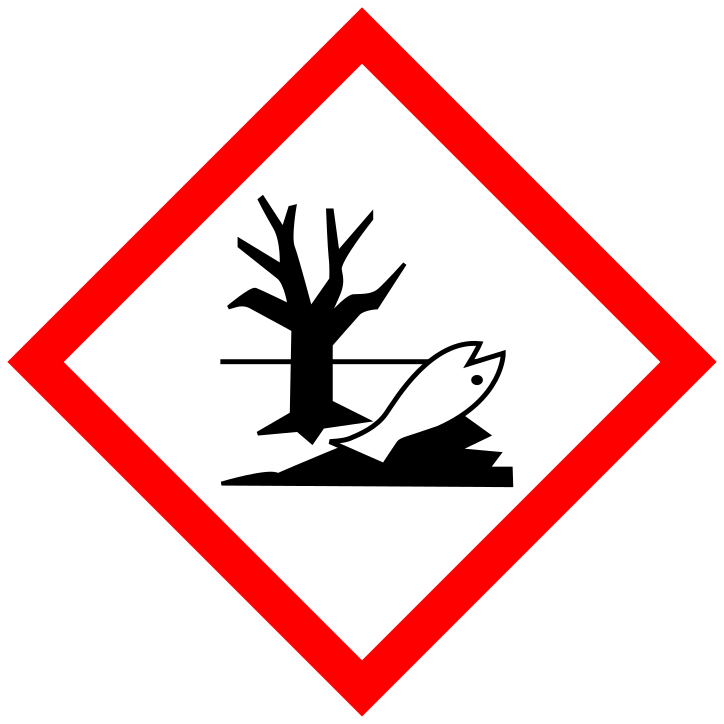
GHS09
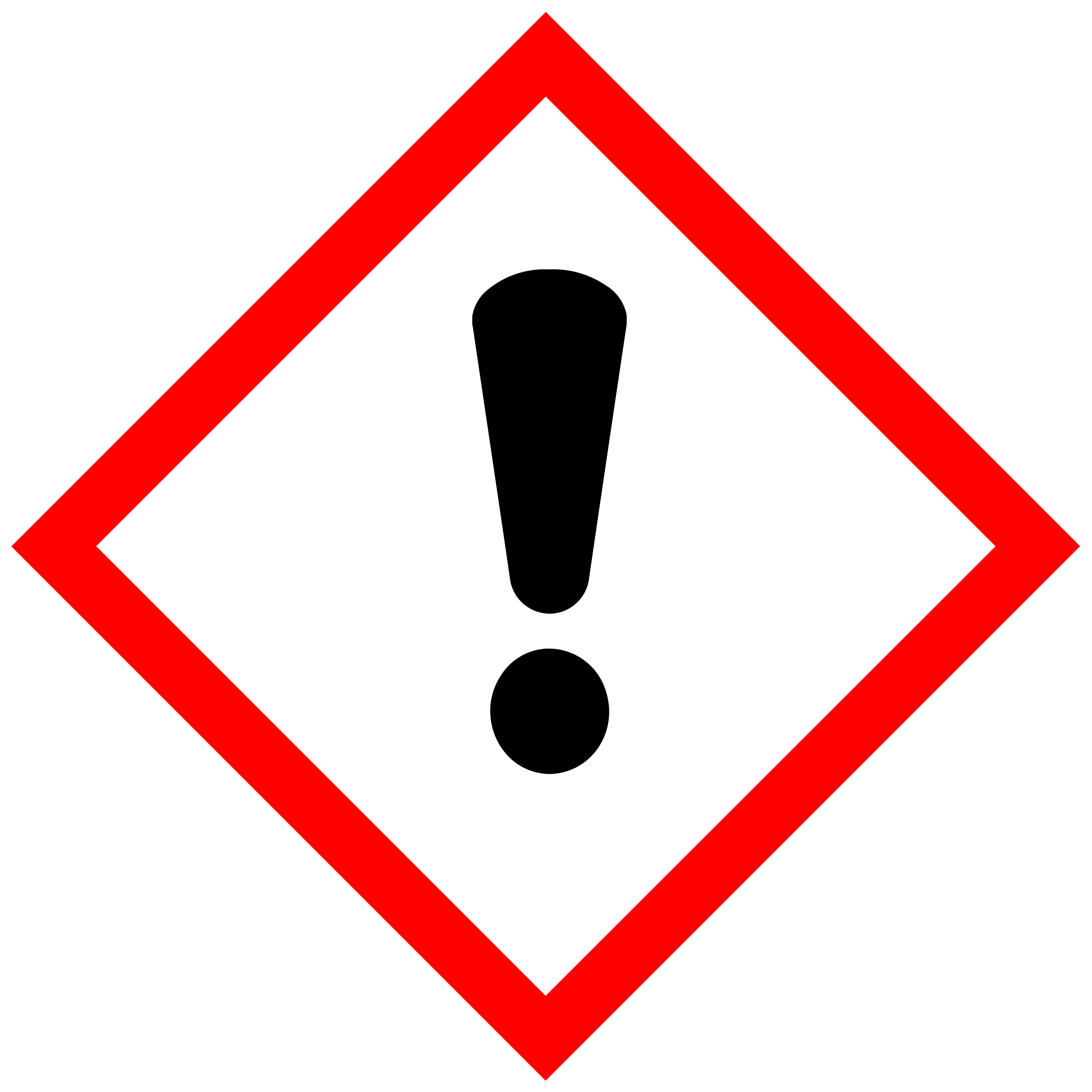
GHS07
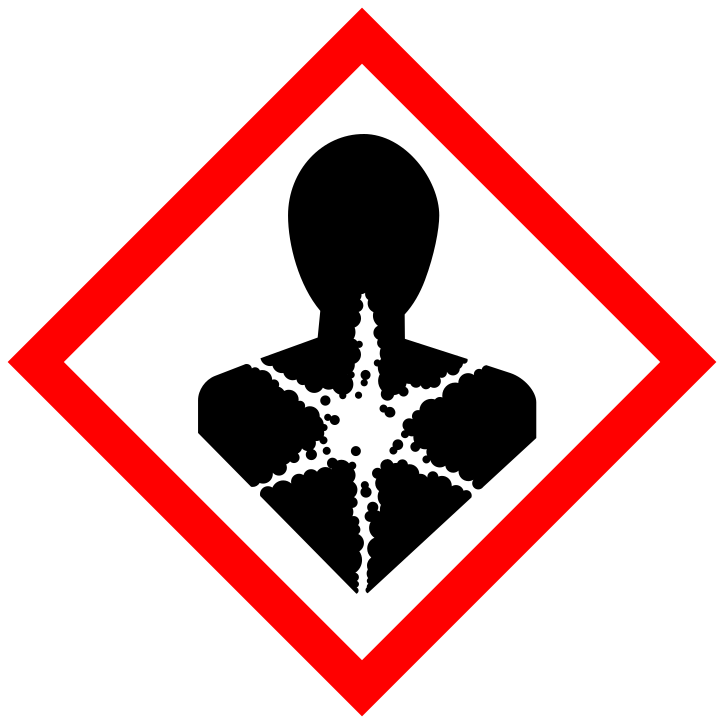
GHS08
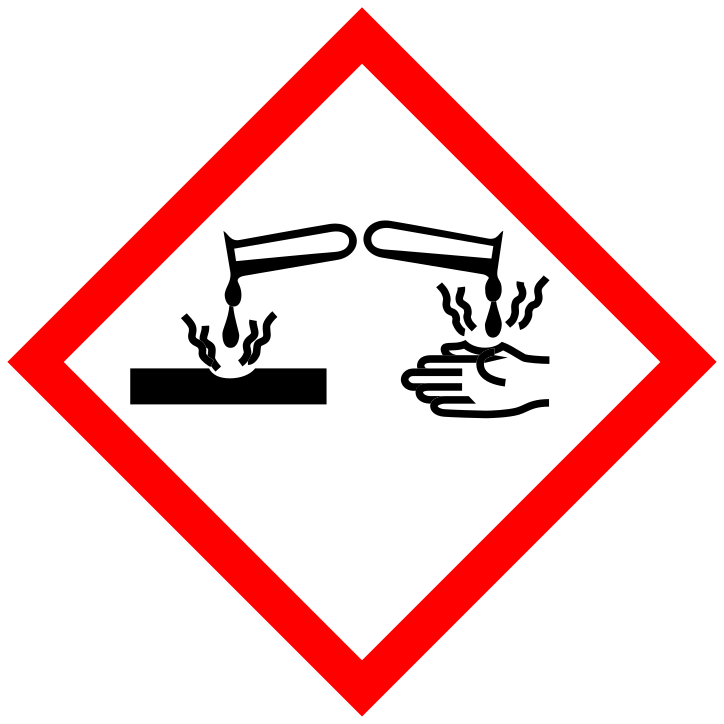
GHS05
- H315 (50%): Causes skin irritation [Warning Skin corrosion/irritation]
- H370: Causes damage to organs [Danger Specific target organ toxicity, single exposure]
- H319 (11.9%): Causes serious eye irritation [Warning Serious eye damage/eye irritation]
- H410 (16.5%): Very toxic to aquatic life with long lasting effects [Warning Hazardous to the aquatic environment, long-term hazard]
- H302: Harmful if swallowed [Warning Acute toxicity, oral]
- H314 (50%): Causes severe skin burns and eye damage [Danger Skin corrosion/irritation]
- H361: Suspected of damaging fertility or the unborn child [Warning Reproductive toxicity]
- H373: May causes damage to organs through prolonged or repeated exposure [Warning Specific target organ toxicity, repeated exposure]
- H411 (50%): Toxic to aquatic life with long lasting effects [Hazardous to the aquatic environment, long-term hazard]
- H317: May cause an allergic skin reaction [Warning Sensitization, Skin]
- H318: Causes serious eye damage [Danger Serious eye damage/eye irritation]
- H290 (50%): May be corrosive to metals [Warning Corrosive to Metals]
- H400: Very toxic to aquatic life [Warning Hazardous to the aquatic environment, acute hazard]
- H372: Causes damage to organs through prolonged or repeated exposure [Danger Specific target organ toxicity, repeated exposure]
- H341: Suspected of causing genetic defects [Warning Germ cell mutagenicity]
Precautionary statement codes: P234, P260, P264, P264+P265, P273, P280, P301+P330+P331, P302+P352, P302+P361+P354, P304+P340, P305+P351+P338, P305+P354+P338, P316, P317, P321, P332+P317, P337+P317, P362+P364, P363, P390, P391, P405, P406, P501, P203, P261, P270, P272, P301+P317, P308+P316, P318, P319, P330, P333+P317
Source: PubChem, compound CID 24463, Safety and Hazards: GHS Classification
A grade-specific Safety Data Sheet (SDS) — with the complete hazard classification, handling precautions, and transport information — is supplied with every shipment and available on request. Confirm all safety and regulatory details against the SDS for your specific grade.
Request SDS →Copper(II) sulfate pentahydrate (CuSO4-5H2O, CAS 7758-99-8), blue triclinic crystals. Industry references record use as a soil amendment/fertilizer micronutrient, a chelating agent, an etching and plating agent, a pigment, and a registered algaecide/fungicide. Supplied as crystals or powder.
Solutions Using This Product
Process-solution guides on this site that specify this chemistry:
- Clearing Biofilm and Algae From Irrigation (Agriculture)
- Flotation Collectors, Depressants & Activators (Oil, Gas & Mining)
- Foot Bath and Hoof Care Chemistry for Livestock (Agriculture)
Frequently Asked Questions
What is copper sulfate pentahydrate used for?
Copper(II) sulfate pentahydrate (CuSO4·5H2O, CAS 7758-99-8) is used as a soil-amendment/fertilizer micronutrient, a registered algaecide/fungicide, a chelating agent, an etchant for metals and printed circuits, a copper source in plating and electroforming baths, and a pigment and chemical feedstock.
What is the difference between copper sulfate and copper sulfate pentahydrate?
Anhydrous copper sulfate (CuSO4) is a white-to-grey powder, while copper sulfate pentahydrate (CuSO4·5H2O) carries five waters of crystallization and forms blue triclinic crystals. The pentahydrate is the common commercial blue crystal/powder form.
What is CuSO4·5H2O called?
CuSO4·5H2O is copper(II) sulfate pentahydrate, historically known as blue vitriol or bluestone. CAS 7758-99-8, classified under HS 2833.25 (sulfates of copper).
How is copper sulfate pentahydrate shipped under DOT?
It is assigned UN 3288 (toxic solid, inorganic). It must be packaged, labeled, and shipped per the applicable hazmat regulations for your mode of transport. Always work from the current SDS and consult your carrier for documentation.
What grades and packaging is bulk copper sulfate pentahydrate available in?
It is supplied as crystals or powder in bags, drums, and bulk, with crystal size grades varying by application (agriculture, plating, water treatment). Request a CoA and SDS with your quote to confirm copper content and crystal grade.
What is the molecular formula of Copper sulfate pentahydrate?
The molecular formula of Copper sulfate pentahydrate is CuH10O9S.
What is the molecular weight of Copper sulfate pentahydrate?
The molecular weight of Copper sulfate pentahydrate is 249.69 g/mol (PubChem).
What is the CAS number of Copper sulfate pentahydrate?
The CAS number of Copper sulfate pentahydrate is 7758-99-8.