
METHYLCHLOROISOTHIAZOLINONE- ▸Technical data sheet: on request
- ▸Safety data sheet: on request
- ▸Certificate of analysis: issued per lot with each shipment
- ▸ Preservative: in-can and industrial preservative for water-based products
- ▸ Metalworking fluids: microbial control in metalworking systems
- ▸ Paints & adhesives: preservation of latex paints, glues, and coatings
- ▸ Process water: microbiocide in industrial process and developing solutions
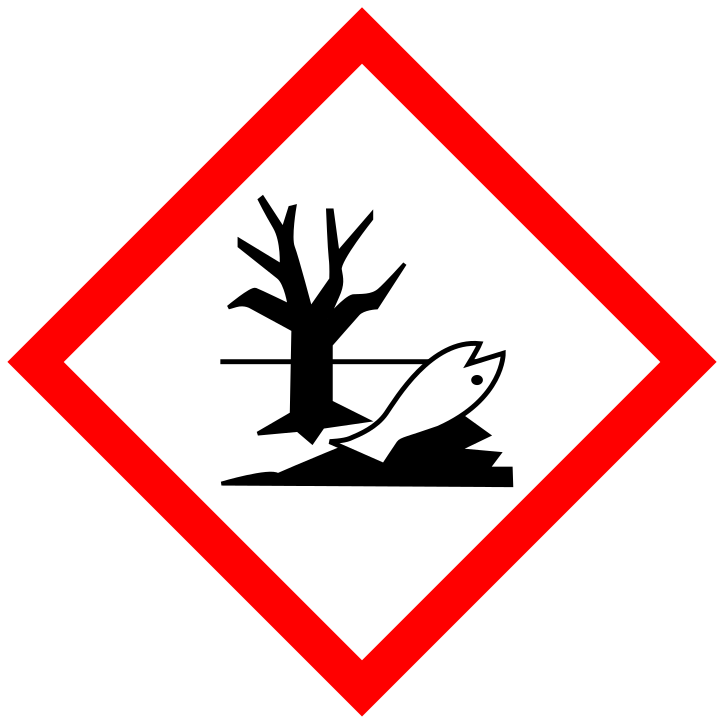
GHS09

GHS07

GHS06
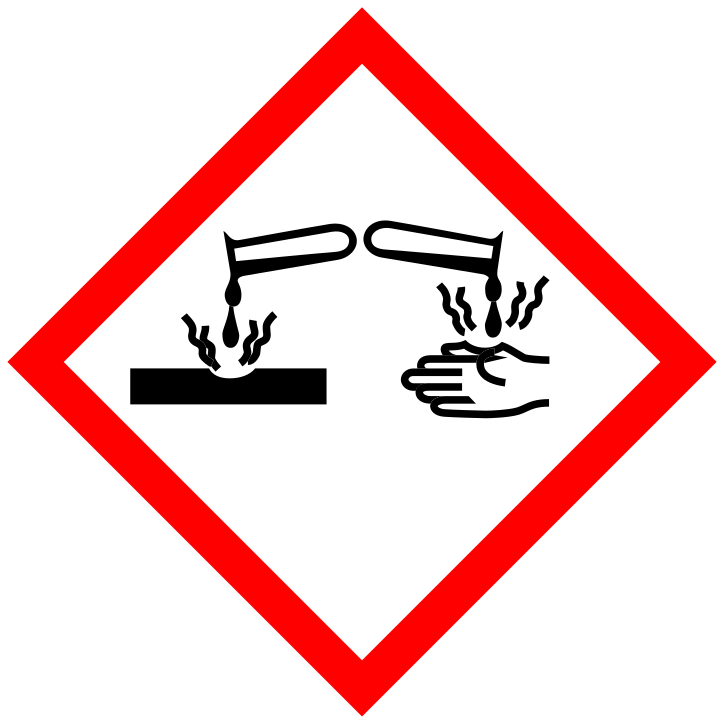
GHS05
- H318 (64.9%): Causes serious eye damage [Danger Serious eye damage/eye irritation]
- H410 (40.3%): Very toxic to aquatic life with long lasting effects [Warning Hazardous to the aquatic environment, long-term hazard]
- H301+H311 (24%): Toxic if swallowed or in contact with skin [Danger Acute toxicity, oral; acute toxicity, dermal]
- H335 (27%): May cause respiratory irritation [Warning Specific target organ toxicity, single exposure; Respiratory tract irritation]
- H301 (74.4%): Toxic if swallowed [Danger Acute toxicity, oral]
- H310 (31.2%): Fatal in contact with skin [Danger Acute toxicity, dermal]
- H400 (94.5%): Very toxic to aquatic life [Warning Hazardous to the aquatic environment, acute hazard]
- H311 (63.3%): Toxic in contact with skin [Danger Acute toxicity, dermal]
- H317 (98.4%): May cause an allergic skin reaction [Warning Sensitization, Skin]
- H330 (38.7%): Fatal if inhaled [Danger Acute toxicity, inhalation]
- H300 (20.2%): Fatal if swallowed [Danger Acute toxicity, oral]
- H331 (21.4%): Toxic if inhaled [Danger Acute toxicity, inhalation]
- H314 (98.3%): Causes severe skin burns and eye damage [Danger Skin corrosion/irritation]
Precautionary statement codes: P261, P272, P280, P302+P352, P321, P333+P317, P362+P364, P501, P260, P262, P264, P264+P265, P270, P271, P273, P284, P301+P316, P301+P330+P331, P302+P361+P354, P304+P340, P305+P354+P338, P316, P317, P319, P320, P330, P361+P364, P363, P391, P403+P233, P405
Source: PubChem, compound CID 33344, Safety and Hazards: GHS Classification
A grade-specific Safety Data Sheet (SDS) — with the complete hazard classification, handling precautions, and transport information — is supplied with every shipment and available on request. Confirm all safety and regulatory details against the SDS for your specific grade.
Request SDS →Methylchloroisothiazolinone (CMIT, CAS 26172-55-4) is a chlorinated isothiazolinone heterocycle. It is used as a preservative and biocide in cosmetics and across industrial systems including metalworking fluids, latex paints, adhesives, and process waters.
Regulatory & registration requirements
- TSCA (US):
- REACH (EU): Not determined from public registry
- EC number: 247-500-7
TSCA Inventory flag PMN: a commenced PMN (premanufacture notice) substance (EPA flag legend).
Source: EPA TSCA Inventory (July 2025 release) · ECHA CHEM — retrieved 2026-07-12
Solutions Using This Product
Process-solution guides on this site that specify this chemistry:
- RO Membrane Biofouling Control (Water Treatment)
- In-Can Preservatives & Dry-Film Biocides for Coatings (Coatings & Construction)
- Microbiological Control in Cooling Water Systems (Water Treatment)
Frequently Asked Questions
What is isothiazolinone (CMIT/MIT) used for?
Methylchloroisothiazolinone (CMIT, CAS 26172-55-4), typically blended with MIT, is used as a preservative and biocide in water-based products. Applications include in-can preservation of latex paints, adhesives, and glues, microbial control in metalworking fluids, and microbiocidal treatment of industrial process and developing waters. It is supplied for industrial and formulating use.
What are isothiazolinones used for in detergents and industrial products?
Isothiazolinones such as the CMIT/MIT blend are used as preservatives to control microbial growth in water-based formulations, including detergents, latex paints, adhesives, metalworking fluids, and process waters. They protect the product from spoilage during storage and use. Loading should follow the SDS and formulation guidance.
What is the difference between CMIT and MIT?
CMIT is methylchloroisothiazolinone (the chlorinated isothiazolinone, CAS 26172-55-4) and MIT is methylisothiazolinone (the non-chlorinated analogue). They are commonly supplied together as a CMIT/MIT blend for broad-spectrum preservation. The blend ratio is confirmed on the Certificate of Analysis.
What is the CAS number and HS code for CMIT?
The CAS number is 26172-55-4 and the molecular formula is C4H4ClNOS, with HS classification 2934.99 (other heterocyclic compounds). Blend composition and active content are confirmed per lot on the Certificate of Analysis and SDS.
How is isothiazolinone (CMIT/MIT) supplied in bulk?
We supply CMIT/MIT preservative blends in bulk industrial packaging such as drums and IBC totes, with a CoA and SDS per lot. Request a bulk quote with your target quantity, active-content specification, and ship-to for current pricing.
What is the REACH and TSCA regulatory status of Methylchloroisothiazolinone (CMIT)?
Methylchloroisothiazolinone (CMIT) (CAS 26172-55-4) is listed as Active on the U.S. EPA TSCA Inventory; its REACH registration status is not determined from the public ECHA registry.
What is the CAS number of Isothiazolinone(CMIT/MIT)?
The CAS number of Isothiazolinone(CMIT/MIT) is 26172-55-4.