
GLYCOLIC ACID- ▸Technical data sheet: on request
- ▸Safety data sheet: on request
- ▸Certificate of analysis: issued per lot with each shipment
- ▸ Metal cleaning: Acid cleaning and descaling of metals and equipment
- ▸ Textile & leather: Dyeing, finishing, and tanning processing aid
- ▸ Electroplating: Bath additive and surface preparation
- ▸ Adhesives: Acid component in adhesive manufacture
- ▸ Personal care: pH adjuster/acidulant in formulations

GHS07
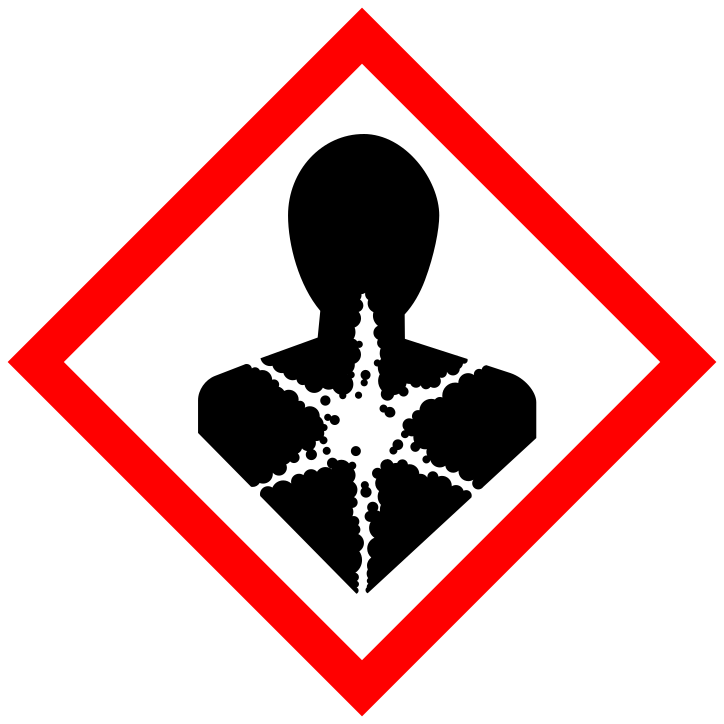
GHS08
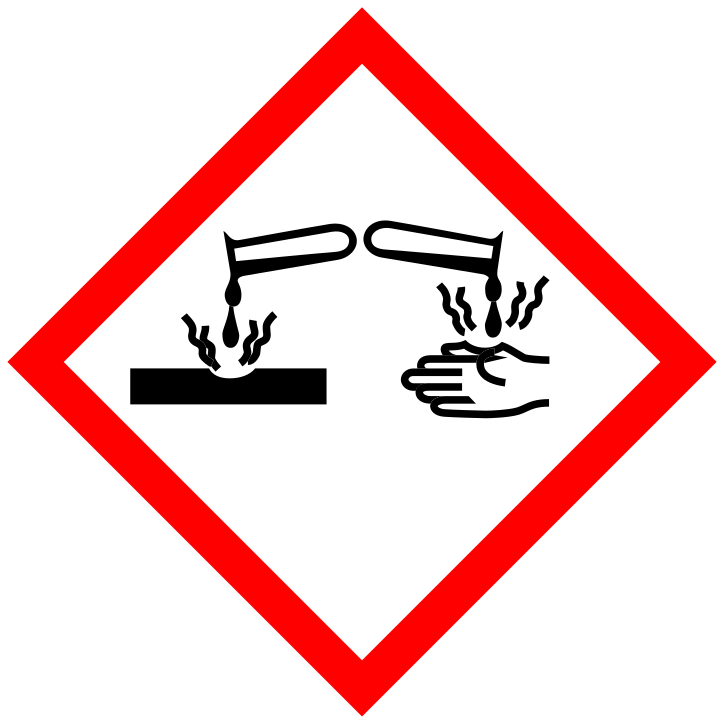
GHS05
- H302 (82.6%): Harmful if swallowed [Warning Acute toxicity, oral]
- H370: Causes damage to organs [Danger Specific target organ toxicity, single exposure]
- H361: Suspected of damaging fertility or the unborn child [Warning Reproductive toxicity]
- H373: May causes damage to organs through prolonged or repeated exposure [Warning Specific target organ toxicity, repeated exposure]
- H332: Harmful if inhaled [Warning Acute toxicity, inhalation]
- H402: Harmful to aquatic life [Hazardous to the aquatic environment, acute hazard]
- H333: May be harmful if inhaled [Warning Acute toxicity, inhalation]
- H318: Causes serious eye damage [Danger Serious eye damage/eye irritation]
- H314 (99.7%): Causes severe skin burns and eye damage [Danger Skin corrosion/irritation]
Precautionary statement codes: P260, P261, P264, P264+P265, P270, P271, P280, P301+P317, P301+P330+P331, P302+P361+P354, P304+P340, P305+P354+P338, P316, P317, P321, P330, P363, P405, P501, P203, P273, P308+P316, P318, P319, P304+P317
Source: PubChem, compound CID 757, Safety and Hazards: GHS Classification
A grade-specific Safety Data Sheet (SDS) — with the complete hazard classification, handling precautions, and transport information — is supplied with every shipment and available on request. Confirm all safety and regulatory details against the SDS for your specific grade.
Request SDS →Aqueous solution (70%) of glycolic acid, the smallest alpha-hydroxy carboxylic acid (CAS 79-14-1, C2H4O3). Used industrially to clean metals and dairy/oilfield equipment, in textile dyeing/finishing and leather tanning, in adhesives and electroplating, and as a pH adjuster in personal-care formulations.
Regulatory & registration requirements
- TSCA (US):
- REACH (EU):
- EC number: 201-180-5
Source: EPA TSCA Inventory (July 2025 release) · ECHA CHEM — retrieved 2026-07-12
Solutions Using This Product
Process-solution guides on this site that specify this chemistry:
- Chemical Exfoliation (AHA / BHA / PHA Acid Systems) (Beauty & Personal Care)
Frequently Asked Questions
What is glycolic acid 70% used for?
Glycolic Acid 70% (aqueous solution of the smallest alpha-hydroxy acid, CAS 79-14-1, C2H4O3) is used industrially for acid cleaning and descaling of metals and dairy/oilfield equipment, in textile dyeing/finishing and leather tanning, in electroplating baths, in adhesive manufacture, and as a pH adjuster/acidulant in personal-care formulations.
Is glycolic acid an acid or an alcohol?
Glycolic acid is an alpha-hydroxy carboxylic acid, meaning it has both a carboxylic acid group and a hydroxyl (alcohol) group on the same molecule. Its acidic carboxyl group drives its descaling and pH-adjusting applications.
Is glycolic acid 70% water soluble?
Yes. Glycolic acid is fully miscible with water, and the 70% grade is itself an aqueous solution, making it convenient to dilute into cleaning, plating, and processing baths.
How should glycolic acid 70% be shipped and handled?
It is classified under HS 2918.19. RawSource supplies it in bulk drums, totes, and IBCs to manufacturers. For transport classification, see section 14 of the Safety Data Sheet (SDS).
What is the cost of bulk glycolic acid 70%?
Pricing is volume-dependent and quoted per order; RawSource supplies the 70% solution in drum, tote, and IBC quantities to industrial buyers. Request a bulk quote with your target volume and packaging, and CoA and SDS are available on request.
What is the REACH and TSCA regulatory status of Glycolic Acid 70% (Hydroxyacetic Acid, GA)?
Glycolic Acid 70% (Hydroxyacetic Acid, GA) (CAS 79-14-1) is subject to U.S. TSCA Inventory requirements; supplying it into the EU requires valid REACH registration ((EC) No 1907/2006). Buyers should require documented TSCA and REACH compliance for their jurisdiction and volume (EC 201-180-5).