
CETYLPYRIDINIUM CHLORIDE- ▸Technical data sheet: on request
- ▸Safety data sheet: on request
- ▸Certificate of analysis: issued per lot with each shipment
- ▸ Antimicrobial preservative: Cationic preservative in oral-care and personal-care formulations
- ▸ Cationic surfactant: Surface-active and antistatic agent
- ▸ Biocidal chemistry: Quaternary ammonium algaecide/slimicide applications
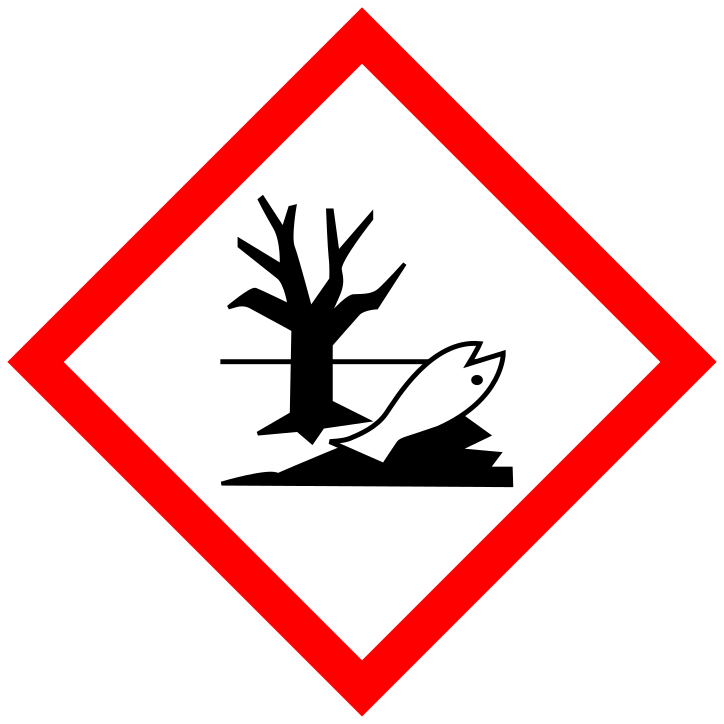
GHS09
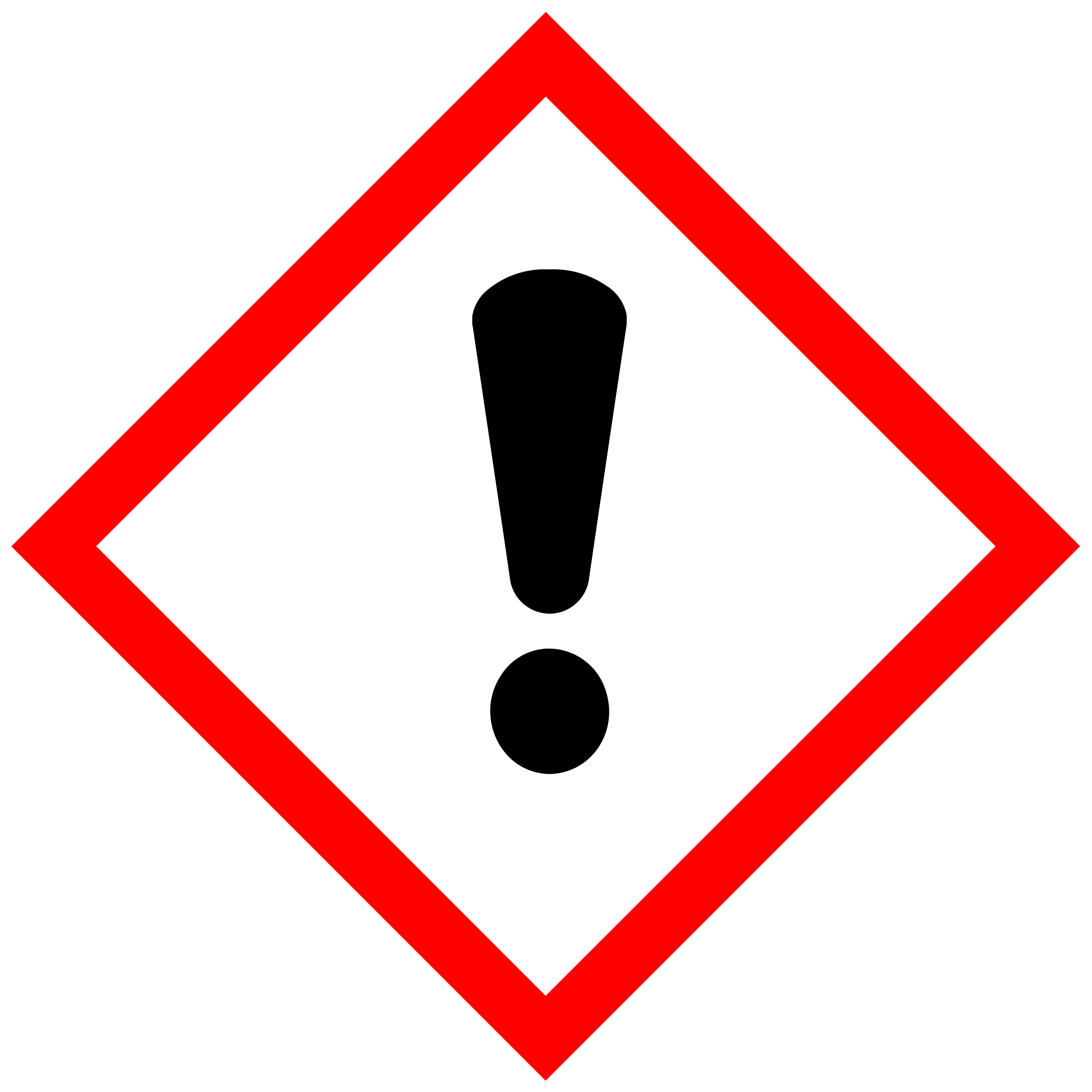
GHS07
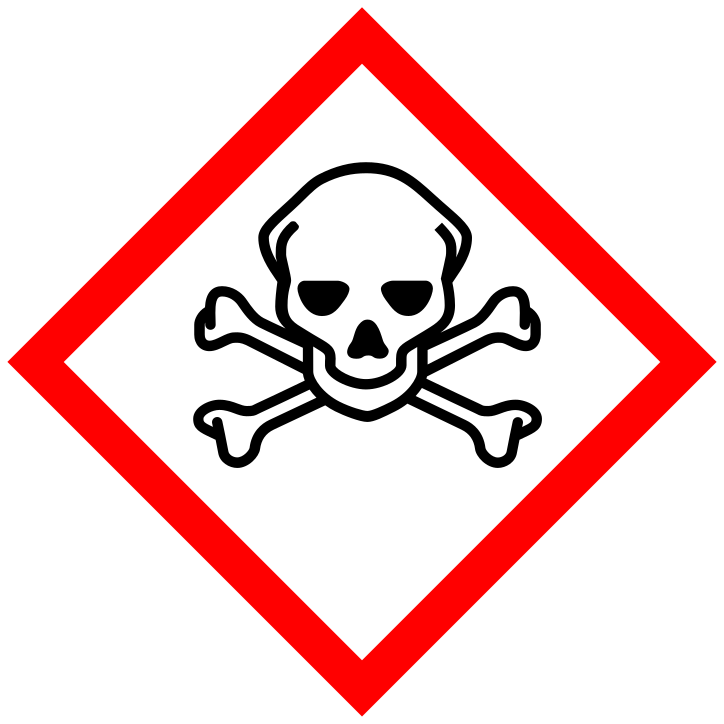
GHS06
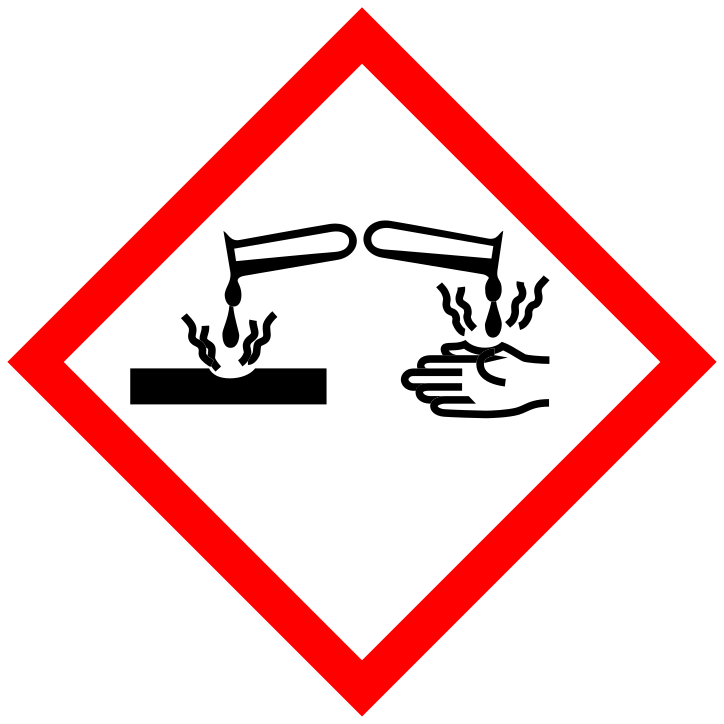
GHS05
- H315: Causes skin irritation [Warning Skin corrosion/irritation]
- H335: May cause respiratory irritation [Warning Specific target organ toxicity, single exposure; Respiratory tract irritation]
- H302 (46%): Harmful if swallowed [Warning Acute toxicity, oral]
- H301 (33.7%): Toxic if swallowed [Danger Acute toxicity, oral]
- H330: Fatal if inhaled [Danger Acute toxicity, inhalation]
- H318 (72.7%): Causes serious eye damage [Danger Serious eye damage/eye irritation]
- H400: Very toxic to aquatic life [Warning Hazardous to the aquatic environment, acute hazard]
- H410 (13.9%): Very toxic to aquatic life with long lasting effects [Warning Hazardous to the aquatic environment, long-term hazard]
- H319: Causes serious eye irritation [Warning Serious eye damage/eye irritation]
Precautionary statement codes: P260, P261, P264, P264+P265, P270, P271, P280, P284, P301+P316, P304+P340, P305+P351+P338, P316, P319, P320, P321, P330, P337+P317, P403+P233, P405, P501, P273, P302+P352, P305+P354+P338, P317, P332+P317, P362+P364, P391, P301+P317
Source: PubChem, compound CID 31239, Safety and Hazards: GHS Classification
A grade-specific Safety Data Sheet (SDS) — with the complete hazard classification, handling precautions, and transport information — is supplied with every shipment and available on request. Confirm all safety and regulatory details against the SDS for your specific grade.
Request SDS →Cetylpyridinium chloride (CAS 123-03-5), or CPC, is a cationic quaternary ammonium compound bearing a pyridinium ring. It is used as an antimicrobial agent and preservative in oral-care and personal-care products and as a cationic surfactant; quaternary ammonium chemistry of this type is also applied in algaecide and slimicide systems.
Regulatory & registration requirements
- TSCA (US):
- REACH (EU):
- EC number: 204-593-9
Source: EPA TSCA Inventory (July 2025 release) · ECHA CHEM — retrieved 2026-07-12
Frequently Asked Questions
What is cetylpyridinium chloride used for?
Cetylpyridinium chloride (CPC) is used as an antimicrobial agent and preservative in oral-care and personal-care products and as a cationic surfactant. Quaternary ammonium chemistry of this type is also applied in algaecide and slimicide systems. RawSource supplies USP-grade CPC in bulk.
What is cetylpyridinium chloride?
CPC is a cationic quaternary ammonium compound bearing a pyridinium ring (CAS 123-03-5, C21H38ClN). It functions as a cationic surfactant and antimicrobial active. RawSource supplies it as a USP-grade raw material to manufacturers.
What does the USP grade designation mean for cetylpyridinium chloride?
USP indicates the material is represented as meeting United States Pharmacopeia monograph specifications for that grade. Confirm the actual grade and specifications against the CoA for your lot. RawSource supplies the CoA and SDS with each shipment.
What is the CAS number and formula for cetylpyridinium chloride?
The CAS is 123-03-5 and the molecular formula is C21H38ClN. It is supplied as a solid; verify assay and water content against the CoA for your lot before formulating.
What bulk packaging is cetylpyridinium chloride USP available in?
As a solid it typically ships in bags, fiber drums, or supersacks depending on volume; HS classification is generally 293339. A CoA and SDS accompany each lot. Submit a bulk RFQ with your target volume for current pricing.
What is the REACH and TSCA regulatory status of Cetylpyridinium Chloride (CPC)?
Cetylpyridinium Chloride (CPC) (CAS 123-03-5) is subject to U.S. TSCA Inventory requirements; supplying it into the EU requires valid REACH registration ((EC) No 1907/2006). Buyers should require documented TSCA and REACH compliance for their jurisdiction and volume (EC 204-593-9).