
OCTYLISOTHIAZOLINONE- ▸Technical data sheet: on request
- ▸Safety data sheet: on request
- ▸Certificate of analysis: issued per lot with each shipment
- ▸ Coatings: Dry-film and in-can preservative for paints and coatings
- ▸ Adhesives & polishes: Preservative additive
- ▸ Metalworking fluids: Preservative for industrial fluids
- ▸ Wood preservation: Active ingredient in wood-treatment formulations
- ▸ Leather: Preservative in leather processing

GHS06
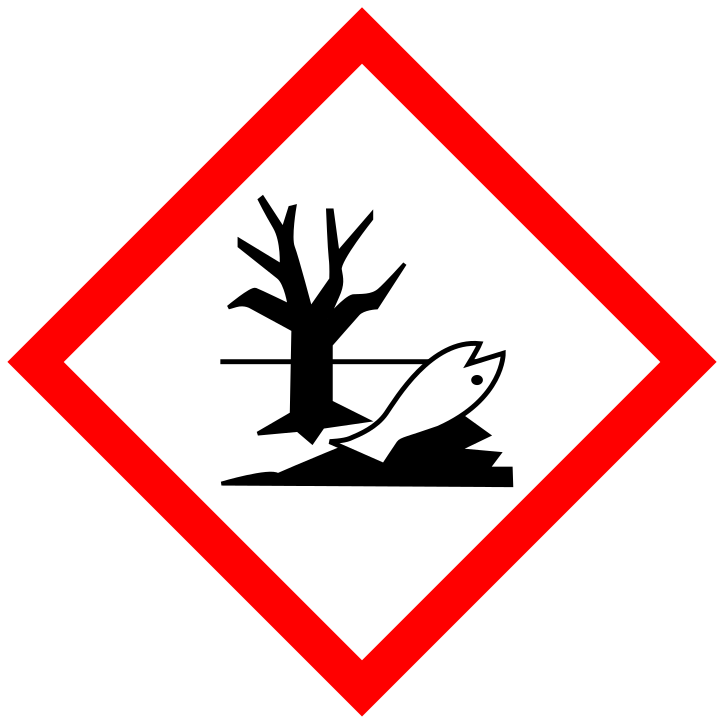
GHS09

GHS07
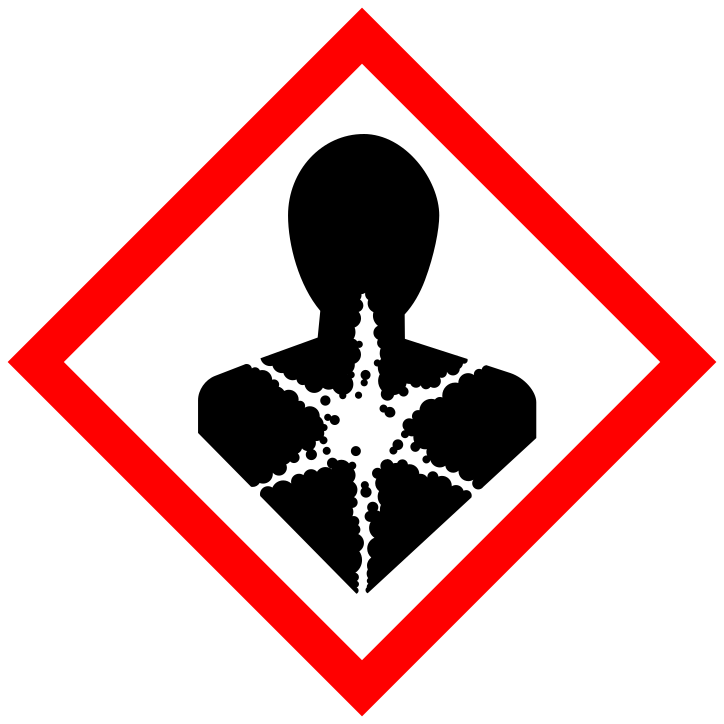
GHS08
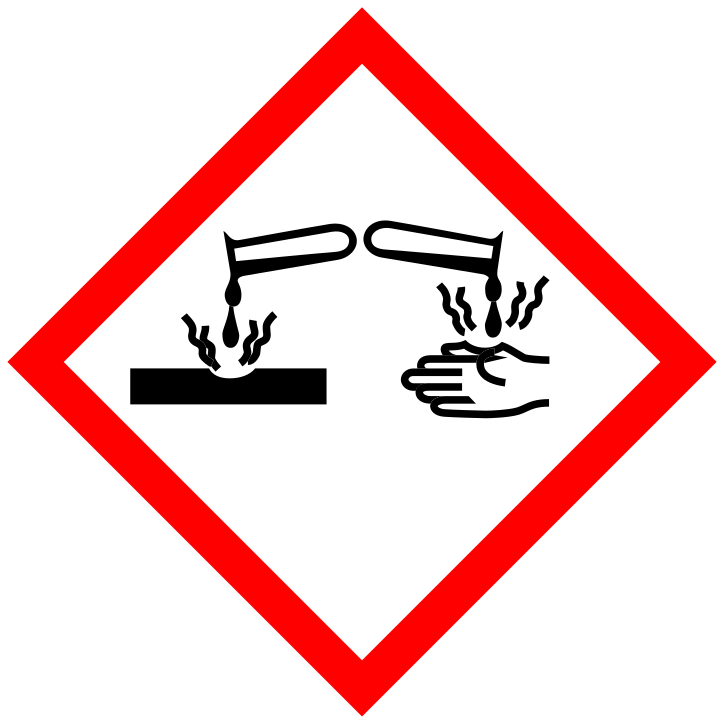
GHS05
- H370: Causes damage to organs [Danger Specific target organ toxicity, single exposure]
- H302 (78.3%): Harmful if swallowed [Warning Acute toxicity, oral]
- H330 (13.9%): Fatal if inhaled [Danger Acute toxicity, inhalation]
- H410: Very toxic to aquatic life with long lasting effects [Warning Hazardous to the aquatic environment, long-term hazard]
- H331: Toxic if inhaled [Danger Acute toxicity, inhalation]
- H314 (> 99.9%): Causes severe skin burns and eye damage [Danger Skin corrosion/irritation]
- H311: Toxic in contact with skin [Danger Acute toxicity, dermal]
- H301 (21.7%): Toxic if swallowed [Danger Acute toxicity, oral]
- H400 (> 99.9%): Very toxic to aquatic life [Warning Hazardous to the aquatic environment, acute hazard]
- H318 (54.5%): Causes serious eye damage [Danger Serious eye damage/eye irritation]
- H317: May cause an allergic skin reaction [Warning Sensitization, Skin]
- H372: Causes damage to organs through prolonged or repeated exposure [Danger Specific target organ toxicity, repeated exposure]
Precautionary statement codes: P260, P271, P284, P304+P340, P316, P320, P403+P233, P405, P501, P261, P262, P264, P270, P272, P273, P280, P301+P316, P301+P330+P331, P302+P352, P302+P361+P354, P305+P354+P338, P321, P330, P333+P317, P361+P364, P362+P364, P363, P391, P264+P265, P301+P317, P317, P308+P316, P319
Source: PubChem, compound CID 33528, Safety and Hazards: GHS Classification
A grade-specific Safety Data Sheet (SDS) — with the complete hazard classification, handling precautions, and transport information — is supplied with every shipment and available on request. Confirm all safety and regulatory details against the SDS for your specific grade.
Request SDS →2-Octyl-2H-isothiazol-3-one (CAS 26530-20-1), known as OIT or octylisothiazolinone, is an isothiazolinone biocide. It is used as a film and in-can preservative in paints, coatings, adhesives, polishes, and metalworking fluids, and in wood and leather preservation.
Regulatory & registration requirements
- TSCA (US):
- REACH (EU):
- EC number: 247-761-7
Source: EPA TSCA Inventory (July 2025 release) · ECHA CHEM — retrieved 2026-07-12
Solutions Using This Product
Process-solution guides on this site that specify this chemistry:
- In-Can Preservatives & Dry-Film Biocides for Coatings (Coatings & Construction)
Frequently Asked Questions
What is octylisothiazolinone (OIT) used for?
OIT (2-octyl-2H-isothiazol-3-one, CAS 26530-20-1) is an isothiazolinone biocide used as a film and in-can preservative. Typical uses are paints and coatings, adhesives and polishes, metalworking fluids, and wood and leather preservation. RawSource supplies it in bulk to coatings and preservative formulators.
What is 2-octyl-2H-isothiazol-3-one?
It is an octyl-substituted isothiazolinone (CAS 26530-20-1, C11H19NOS), also called OIT or octhilinone. It functions as a non-metal preservative/biocide for industrial materials, providing dry-film and in-can microbial protection in coatings and related products.
Is OIT the same as DCOIT or other isothiazolinones?
No. OIT (2-octyl, CAS 26530-20-1) is distinct from DCOIT (4,5-dichloro-2-octyl, a separate CAS) and from the CMIT/MIT 3:1 blend. They are different actives with different specifications; confirm identity by CAS number on the CoA when ordering.
How is bulk OIT supplied and quoted?
RawSource supplies OIT in industrial bulk packaging to manufacturers, typically as the active or in a carrier depending on grade. Pricing is volume- and grade-dependent; request a bulk quote with your active-content and packaging needs. CoA and SDS ship with each order.
What UN number and shipping classification apply to OIT?
It is a regulated material and must be shipped per DOT/IMDG/IATA rules for its packing group; RawSource handles compliant bulk shipment with SDS and CoA. Confirm DOT details with our team before arranging freight. For transport classification, see section 14 of the Safety Data Sheet (SDS).
What is the REACH and TSCA regulatory status of 2-Octyl-2H-isothiazol-3-one (OIT, Octylisothiazolinone)?
2-Octyl-2H-isothiazol-3-one (OIT, Octylisothiazolinone) (CAS 26530-20-1) is subject to U.S. TSCA Inventory requirements; supplying it into the EU requires valid REACH registration ((EC) No 1907/2006). Buyers should require documented TSCA and REACH compliance for their jurisdiction and volume (EC 247-761-7).