
- ▸Technical data sheet: on request
- ▸Safety data sheet: on request
- ▸Certificate of analysis: issued per lot with each shipment
- ▸ Chromium chemical feedstock: Base material for chromic acid, chromates, and chrome pigments.
- ▸ Leather tanning: Chrome-tanning chemistry for hides.
- ▸ Metal treatment: Corrosion inhibitor and conversion-coating chemistry for metals.
- ▸ Oxidizing agent: Oxidizer in dye and organic synthesis.
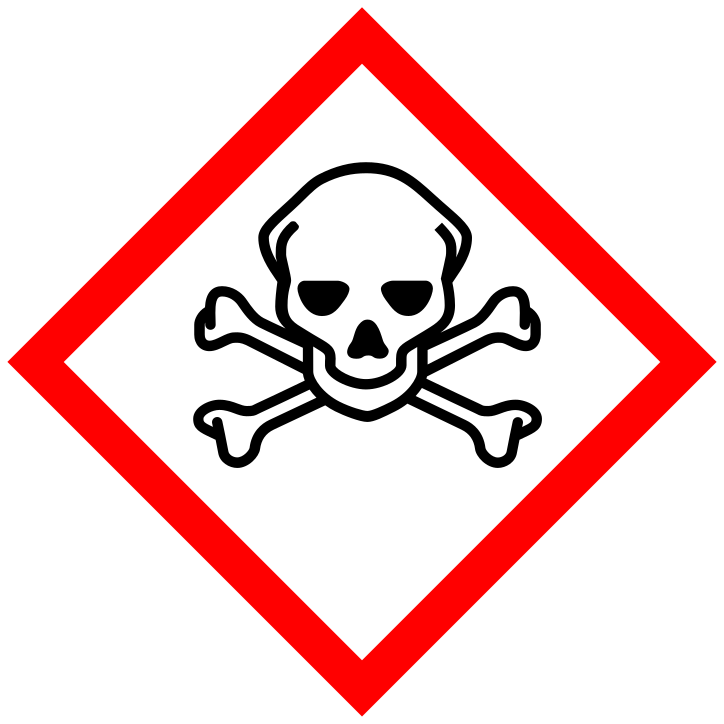
GHS06
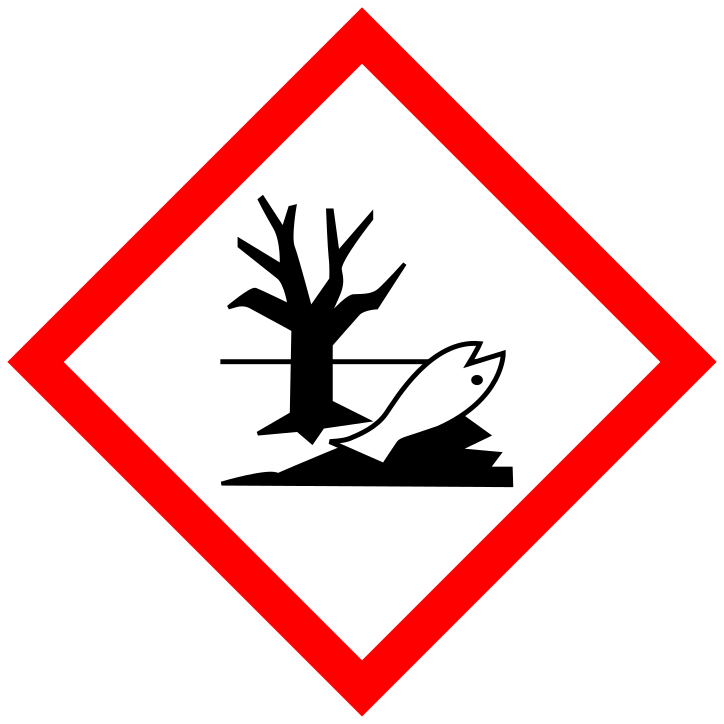
GHS09
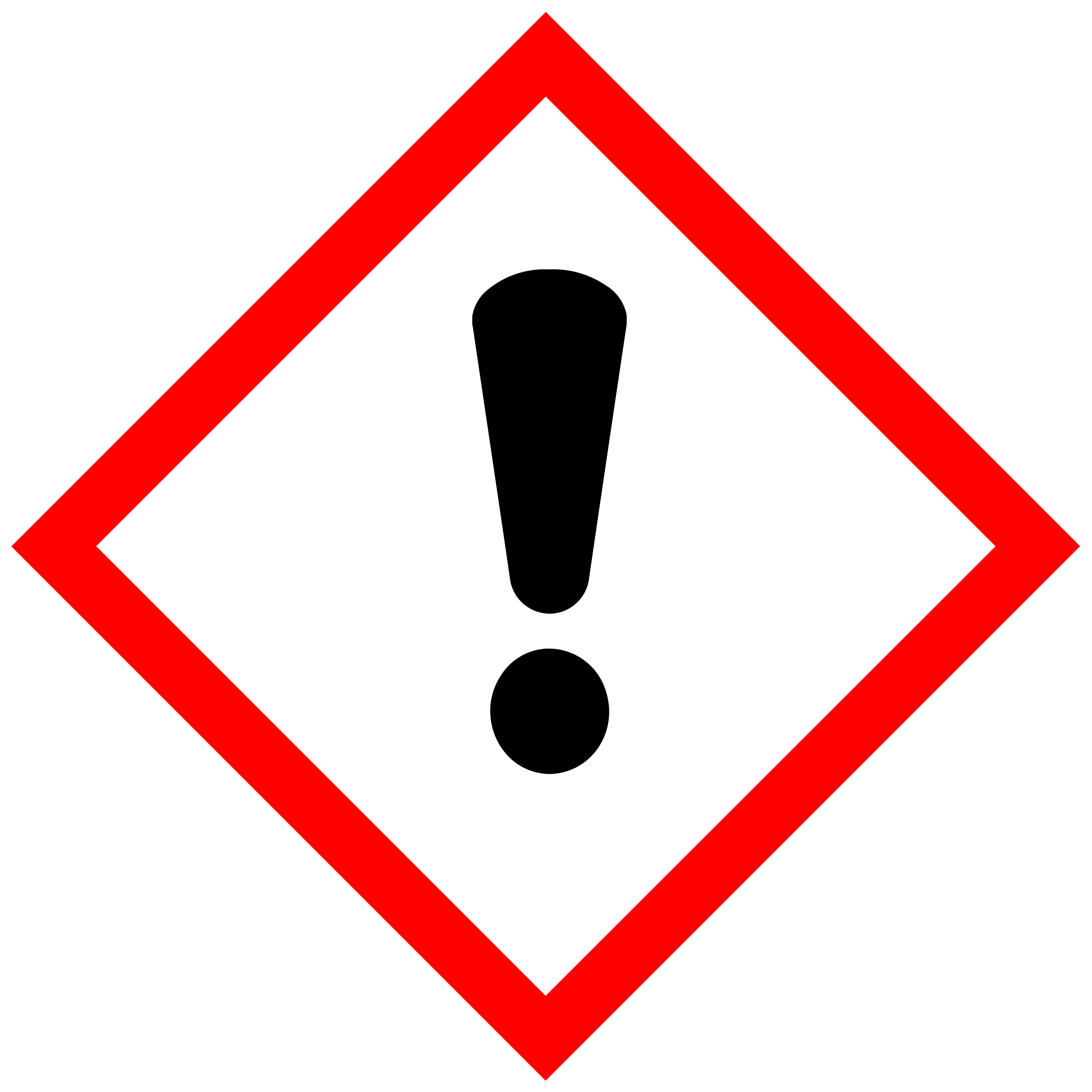
GHS07
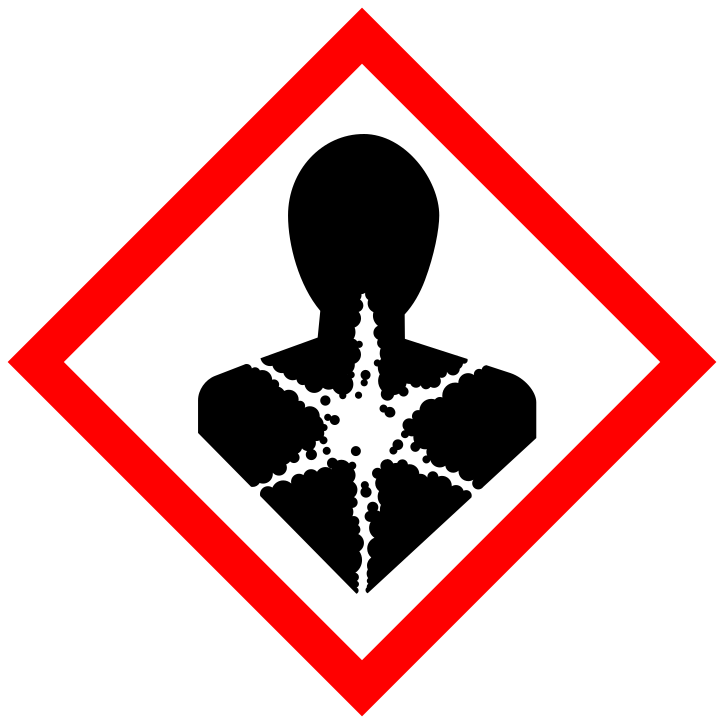
GHS08
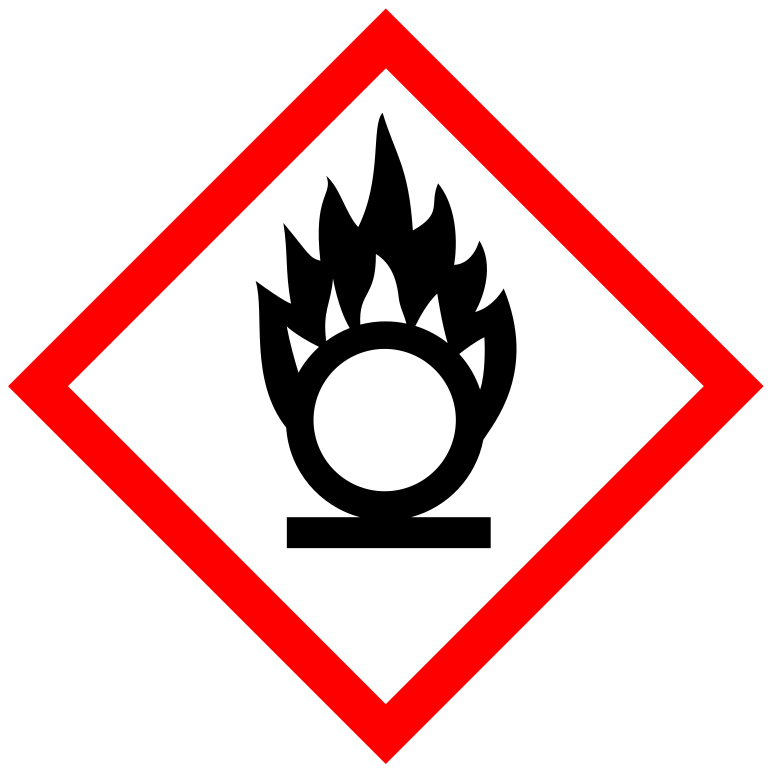
GHS03
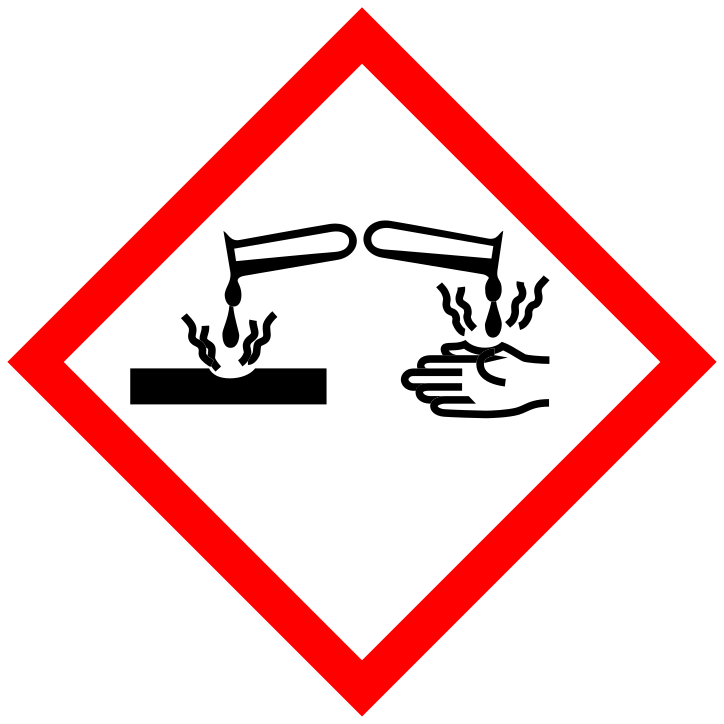
GHS05
- H350: May cause cancer [Danger Carcinogenicity]
- H340: May cause genetic defects [Danger Germ cell mutagenicity]
- H370: Causes damage to organs [Danger Specific target organ toxicity, single exposure]
- H410: Very toxic to aquatic life with long lasting effects [Warning Hazardous to the aquatic environment, long-term hazard]
- H335: May cause respiratory irritation [Warning Specific target organ toxicity, single exposure; Respiratory tract irritation]
- H314 (> 99.9%): Causes severe skin burns and eye damage [Danger Skin corrosion/irritation]
- H311: Toxic in contact with skin [Danger Acute toxicity, dermal]
- H272: May intensify fire; oxidizer [Danger Oxidizing liquids; Oxidizing solids]
- H360FD: May damage fertility; May damage the unborn child [Danger Reproductive toxicity]
- H330: Fatal if inhaled [Danger Acute toxicity, inhalation]
- H400 (> 99.9%): Very toxic to aquatic life [Warning Hazardous to the aquatic environment, acute hazard]
- H312 (98.5%): Harmful in contact with skin [Warning Acute toxicity, dermal]
- H317: May cause an allergic skin reaction [Warning Sensitization, Skin]
- H318: Causes serious eye damage [Danger Serious eye damage/eye irritation]
- H360 (94%): May damage fertility or the unborn child [Danger Reproductive toxicity]
- H300: Fatal if swallowed [Danger Acute toxicity, oral]
- H334 (> 99.9%): May cause allergy or asthma symptoms or breathing difficulties if inhaled [Danger Sensitization, respiratory]
- H372: Causes damage to organs through prolonged or repeated exposure [Danger Specific target organ toxicity, repeated exposure]
- H332: Harmful if inhaled [Warning Acute toxicity, inhalation]
- H301 (> 99.9%): Toxic if swallowed [Danger Acute toxicity, oral]
- H341: Suspected of causing genetic defects [Warning Germ cell mutagenicity]
Precautionary statement codes: P203, P233, P260, P261, P262, P264, P264+P265, P270, P271, P272, P280, P284, P301+P316, P301+P330+P331, P302+P352, P302+P361+P354, P304+P340, P305+P354+P338, P308+P316, P316, P317, P318, P319, P320, P321, P330, P333+P317, P342+P316, P361+P364, P362+P364, P363, P403, P403+P233, P405, P501, P210, P220, P273, P370+P378, P391
Source: PubChem, compound CID 25408, Safety and Hazards: GHS Classification
A grade-specific Safety Data Sheet (SDS) — with the complete hazard classification, handling precautions, and transport information — is supplied with every shipment and available on request. Confirm all safety and regulatory details against the SDS for your specific grade.
Request SDS →Sodium dichromate (CAS 10588-01-9), Na2Cr2O7, is the primary base material for manufacturing chromium chemicals, supplied as technical-grade crystal. It is used as an oxidizing agent in organic synthesis and dye production, in leather (chrome) tanning, in metal treatment and corrosion inhibition, in pigment and chromic-acid manufacture, and in wood preservation.
Regulatory & registration requirements
- TSCA (US):
- REACH (EU):
- EC number: 234-190-3
Source: EPA TSCA Inventory (July 2025 release) · ECHA CHEM — retrieved 2026-07-12
Regulatory restriction status
Sodium Dichromate (Sodium Bichromate) (CAS 10588-01-9) appears on the regulatory list(s) below. This is public regulatory information about the substance — not a statement about any specific supplier’s material, and not a safety claim. Confirm the current status for your jurisdiction and intended use.
- REACH SVHC Candidate List (EU): listed 28 Oct 2008 on the basis of carcinogenic (Art. 57(a)), mutagenic (Art. 57(b)), toxic for reproduction (Art. 57(c)). SVHC status triggers EU supplier-communication and notification duties above 0.1% w/w; it is not, by itself, a ban on sale.
Sources: ECHA Candidate List / Annex XIV / Annex XVII (echa.europa.eu); U.S. EPA TSCA; UN Stockholm Convention / EU POPs Regulation; California OEHHA Proposition 65 list. Retrieved 2026-07-13.
Frequently Asked Questions
What is sodium dichromate (tech crystal) used for?
Sodium dichromate (CAS 10588-01-9, Na2Cr2O7), supplied as technical-grade crystal, is the primary base material for manufacturing chromium chemicals such as chromic acid, chromates, and chrome pigments. It is also used in chrome leather tanning, metal treatment and corrosion inhibition, and as an oxidizing agent in dye and organic synthesis.
What is the chemical formula for sodium dichromate?
Sodium dichromate is Na2Cr2O7 (CAS 10588-01-9). It is commonly supplied as the technical-grade crystal and, separately, as a dihydrate. Confirm the exact form against the CoA for your lot.
How does sodium dichromate function as an oxidizing agent?
Sodium dichromate is a hexavalent-chromium oxidizer; the dichromate anion accepts electrons in synthesis and dye chemistry, and supplies chromium for conversion coatings and chrome tanning. Handle strictly per the SDS; review GHS classification before use.
How is sodium dichromate shipped and what is the UN number?
It classifies under HS 2841.30. Our team coordinates compliant hazmat shipping for each order. For transport classification, see section 14 of the Safety Data Sheet (SDS).
How is technical-grade sodium dichromate supplied in bulk?
We supply technical-grade sodium dichromate crystal for industrial chromium-chemical, tanning, and metal-treatment use, with CoA and SDS per lot. Request a bulk quote for packaging, container quantities, and hazmat lead time.
What is the REACH and TSCA regulatory status of Sodium Dichromate (Sodium Bichromate)?
Sodium Dichromate (Sodium Bichromate) (CAS 10588-01-9) is subject to U.S. TSCA Inventory requirements; supplying it into the EU requires valid REACH registration ((EC) No 1907/2006). Buyers should require documented TSCA and REACH compliance for their jurisdiction and volume (EC 234-190-3).