
ETHYLBENZENE- ▸Technical data sheet: on request
- ▸Safety data sheet: on request
- ▸Certificate of analysis: issued per lot with each shipment
- ▸ スチレン製造:スチレンモノマーおよび下流のポリスチレンの主要原料
- ▸ 工業用溶剤:樹脂、塗料、コーティング剤用溶剤
- ▸ 燃料ブレンド:自動車および航空燃料の成分
- ▸ 化学中間体:その他の有機化学品のビルディングブロック

GHS09

GHS07
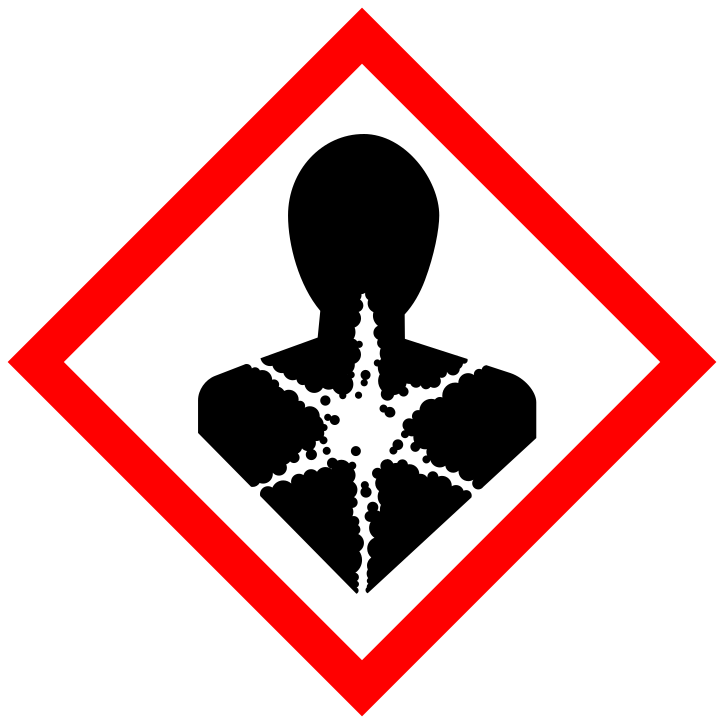
GHS08
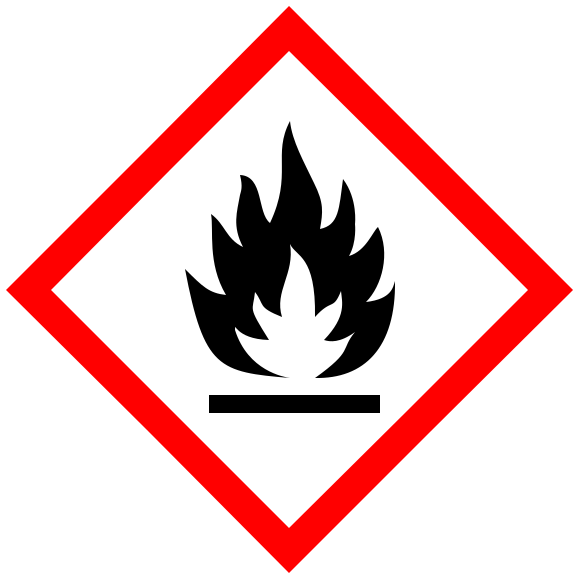
GHS02
- H351: Suspected of causing cancer [Warning Carcinogenicity]
- H320: Causes eye irritation [Warning Serious eye damage/eye irritation]
- H319: Causes serious eye irritation [Warning Serious eye damage/eye irritation]
- H304: May be fatal if swallowed and enters airways [Danger Aspiration hazard]
- H315: Causes skin irritation [Warning Skin corrosion/irritation]
- H335: May cause respiratory irritation [Warning Specific target organ toxicity, single exposure; Respiratory tract irritation]
- H411: Toxic to aquatic life with long lasting effects [Hazardous to the aquatic environment, long-term hazard]
- H225: Highly Flammable liquid and vapor [Danger Flammable liquids]
- H373: May causes damage to organs through prolonged or repeated exposure [Warning Specific target organ toxicity, repeated exposure]
- H401: Toxic to aquatic life [Hazardous to the aquatic environment, acute hazard]
- H316: Causes mild skin irritation [Warning Skin corrosion/irritation]
- H336: May cause drowsiness or dizziness [Warning Specific target organ toxicity, single exposure; Narcotic effects]
- H400: Very toxic to aquatic life [Warning Hazardous to the aquatic environment, acute hazard]
- H360: May damage fertility or the unborn child [Danger Reproductive toxicity]
- H372: Causes damage to organs through prolonged or repeated exposure [Danger Specific target organ toxicity, repeated exposure]
- H371: May cause damage to organs [Warning Specific target organ toxicity, single exposure]
- H332 (99.9%): Harmful if inhaled [Warning Acute toxicity, inhalation]
- H303: May be harmful if swallowed [Warning Acute toxicity, oral]
- H412: Harmful to aquatic life with long lasting effects [Hazardous to the aquatic environment, long-term hazard]
Precautionary statement codes: P203, P210, P233, P240, P241, P242, P243, P260, P261, P264, P264+P265, P270, P271, P280, P301+P316, P303+P361+P353, P304+P340, P305+P351+P338, P317, P318, P319, P331, P337+P317, P370+P378, P403+P233, P403+P235, P405, P501, P273, P391, P302+P352, P321, P332+P317, P362+P364, P301+P317, P308+P316
Source: PubChem, compound CID 7500, Safety and Hazards: GHS Classification
グレード別の安全データシート(SDS)— 完全な危険有害性分類、取扱注意事項、輸送情報を含む — は各出荷に添付され、ご要望に応じて提供します。安全・規制情報はすべて該当グレードのSDSでご確認ください。
SDSを請求 →
UN number source: PubChem, compound CID 7500, Transport Information. Class, packing group and proper shipping name: 49 CFR 172.101 Hazardous Materials Table. Confirm against the grade-specific SDS (Section 14) before shipping.
エチルベンゼン(CAS 100-41-4)は、工業用途に供給される芳香族炭化水素です。主な用途はスチレンモノマー製造の原料であり、樹脂および塗料の溶媒、自動車および航空燃料のブレンド成分としても使用されます。
規制制限状況
エチルベンゼン(CAS 100-41-4)は以下の規制リストに掲載されています。これは当該物質に関する公的規制情報であり、特定のサプライヤーの製品に関する声明でも、安全性を保証するものでもありません。対象となる法域および用途について最新の状況をご確認ください。
- カリフォルニア州Proposition 65:発がん性として掲載、2004年6月11日付。カリフォルニア州Proposition 65の警告が適用されます(上記の警告を参照)。
出典:ECHA候補リスト/Annex XIV/Annex XVII(echa.europa.eu);米国EPA TSCA;国連ストックホルム条約/EU POPs規則;カリフォルニア州OEHHA Proposition 65リスト。2026年7月13日取得。
よくあるご質問
エチルベンゼンの用途は何ですか?
エチルベンゼン(CAS 100-41-4)は、主にスチレンモノマーおよび下流のポリスチレンの原料として使用されます。また、樹脂、塗料、コーティング剤の溶媒、自動車および航空燃料のブレンド成分、化学中間体としても使用されます。
エチルベンゼンの一般的な名称は何ですか?
エチルベンゼンは一般的にその名称で呼ばれますが、フェニルエタンまたはエチルベンゾールとも呼ばれます。芳香族炭化水素、C8H10、CAS 100-41-4です。
エチルベンゼンを含む製品は何ですか?
工業的にはスチレンおよびポリスチレンの前駆体であり、樹脂、塗料、コーティング剤の溶媒、自動車および航空燃料の成分としても使用されます。完成した消費財ではなく、工業原料および溶媒として供給されます。
エチルベンゼンの輸送方法とUN番号は何ですか?
エチルベンゼンはUN 1175として可燃性液体で輸送されます。RawSourceはドラム、トート/IBC、および大容量でのバルク供給を行い、CoAおよびSDSを添付します。輸送および取扱い分類の詳細についてはSDSを参照してください。
バルクエチルベンゼンの価格はいくらですか?
バルク価格はグレード、包装、数量により異なり、芳香族市場の動向に連動します。仕様および数量を記載の上、バルクRFQをご提出いただくと現在の見積もりをご案内いたします。スポット価格は掲載しておりません。
エチルベンゼンのREACHおよびTSCA規制状況はどうなっていますか?
エチルベンゼン(CAS 100-41-4)は米国TSCAインベントリの要件の対象です。EUへの供給には有効なREACH登録((EC) No 1907/2006)が必要です。RawSourceは第三者サプライヤーの登録を確認することはできません — 購入者は対象となる法域および数量について文書化されたTSCAおよびREACH適合を要求すべきです(EC 202-849-4)。
関連製品
英語版 →