
- ▸Technical data sheet: on request
- ▸Safety data sheet: on request
- ▸Certificate of analysis: issued per lot with each shipment
- ▸ MDI-Vorprodukt: Rohstoff für Methylendiphenyldiisocyanat und polymeres MDI.
- ▸ Epoxidharz-Härter: Härter für Epoxidharze.
- ▸ Polyurethan-Elastomere: Härter/Kettenverlängerer für gegossene PU-Elastomere.
- ▸ Hochleistungspolymere: Monomer für Polyamid- und Polyimidharze.
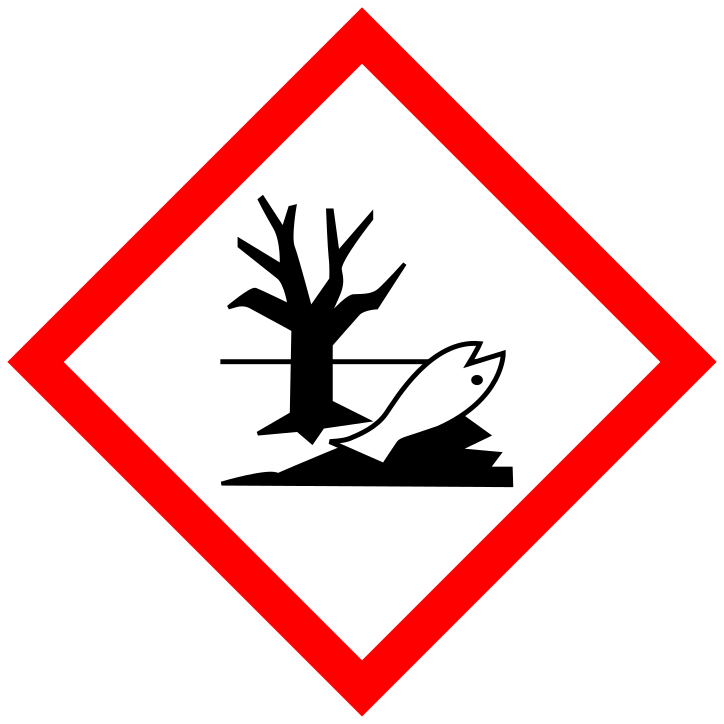
GHS09
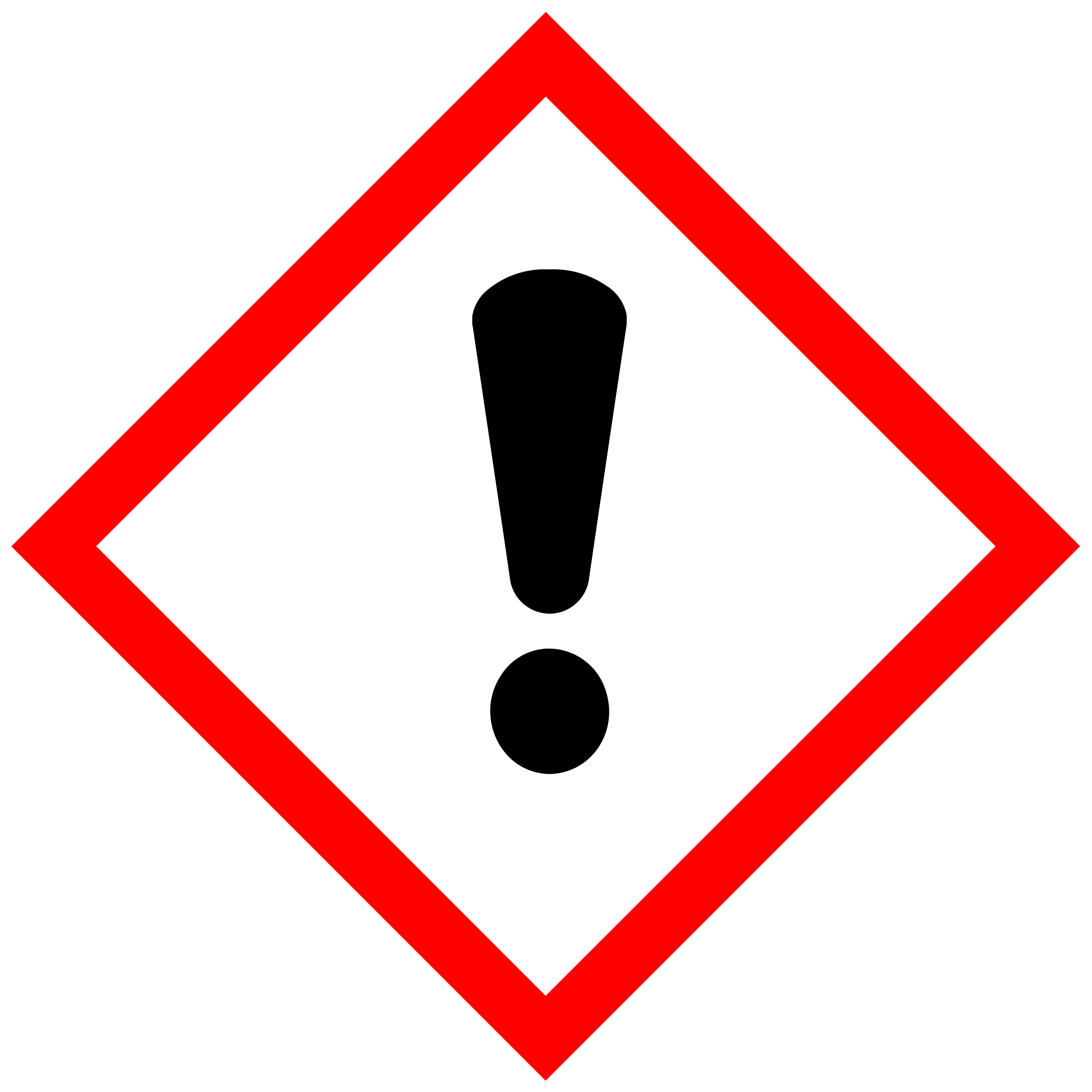
GHS07
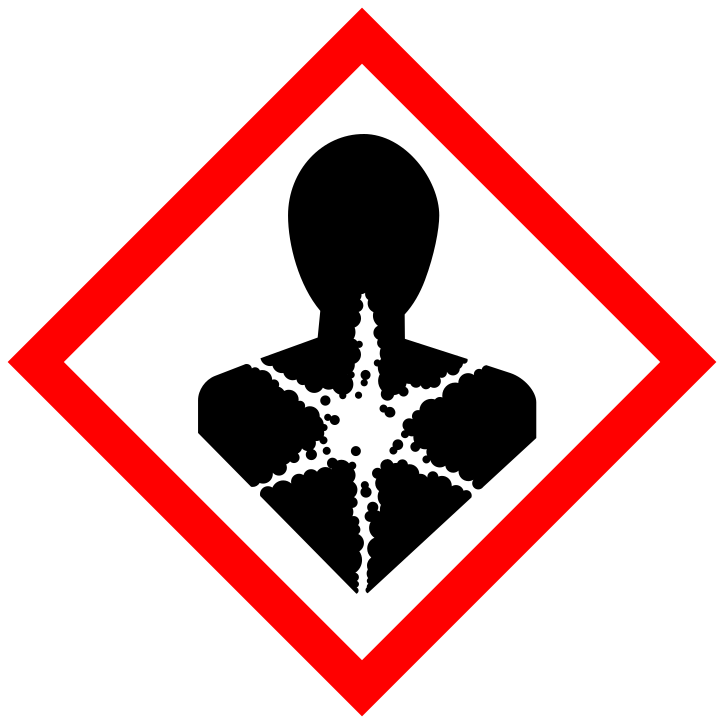
GHS08
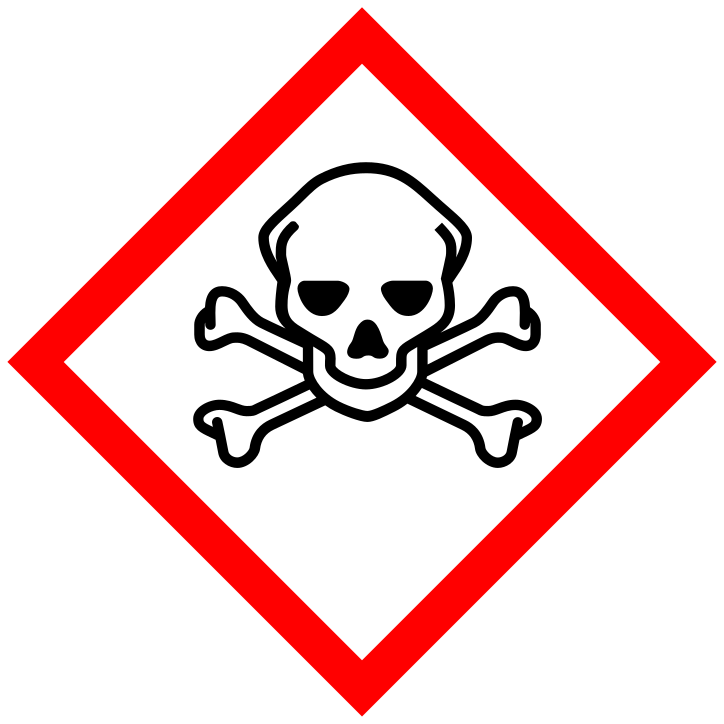
GHS06
- H351: Suspected of causing cancer [Warning Carcinogenicity]
- H350: May cause cancer [Danger Carcinogenicity]
- H370: Causes damage to organs [Danger Specific target organ toxicity, single exposure]
- H373 (100%): May causes damage to organs through prolonged or repeated exposure [Warning Specific target organ toxicity, repeated exposure]
- H411 (100%): Toxic to aquatic life with long lasting effects [Hazardous to the aquatic environment, long-term hazard]
- H302: Harmful if swallowed [Warning Acute toxicity, oral]
- H410: Very toxic to aquatic life with long lasting effects [Warning Hazardous to the aquatic environment, long-term hazard]
- H319: Causes serious eye irritation [Warning Serious eye damage/eye irritation]
- H301 (14.5%): Toxic if swallowed [Danger Acute toxicity, oral]
- H311: Toxic in contact with skin [Danger Acute toxicity, dermal]
- H361: Suspected of damaging fertility or the unborn child [Warning Reproductive toxicity]
- H317: May cause an allergic skin reaction [Warning Sensitization, Skin]
- H316: Causes mild skin irritation [Warning Skin corrosion/irritation]
- H341 (100%): Suspected of causing genetic defects [Warning Germ cell mutagenicity]
- H400: Very toxic to aquatic life [Warning Hazardous to the aquatic environment, acute hazard]
- H372: Causes damage to organs through prolonged or repeated exposure [Danger Specific target organ toxicity, repeated exposure]
Precautionary statement codes: P203, P260, P261, P264, P270, P272, P273, P280, P301+P316, P302+P352, P308+P316, P318, P319, P321, P330, P333+P317, P362+P364, P391, P405, P501, P262, P264+P265, P301+P317, P305+P351+P338, P316, P332+P317, P337+P317, P361+P364
Source: PubChem, compound CID 7577, Safety and Hazards: GHS Classification
Das sortenspezifische Sicherheitsdatenblatt (SDS) — mit vollständiger Gefahreneinstufung, Handhabungshinweisen und Transportinformationen — liegt jeder Lieferung bei und ist auf Anfrage erhältlich. Prüfen Sie alle Sicherheits- und Zulassungsangaben anhand des SDS für Ihre spezifische Sorte.
SDS anfordern →
UN number source: PubChem, compound CID 7577, Transport Information. Class, packing group and proper shipping name: 49 CFR 172.101 Hazardous Materials Table. Confirm against the grade-specific SDS (Section 14) before shipping.
Diaminodiphenylmethan (CAS 101-77-9), auch als 4,4′-Methylendianilin bezeichnet, ist ein aromatisches Diamin, das hauptsächlich als Vorprodukt für Methylendiphenyldiisocyanat (MDI) und polymeres MDI eingesetzt wird. PubChem verzeichnet zudem seine Verwendung als Härter für Epoxide und Polyurethan-Elastomere sowie als Monomer für Polyamid- und Polyimidharze. Lieferung als Amin-Zwischenprodukt in Industriemengen.
Regulatorische & Zulassungsanforderungen
- TSCA (USA):
- REACH (EU):
- EC-Nummer: 202-974-4
Quelle: EPA TSCA Inventory (Veröffentlichung Juli 2025) · ECHA CHEM — abgerufen am 2026-07-12
Beschränkter Stoff — regulatorischer Status
4,4′-Diaminodiphenylmethan (MDA, 4,4′-Methylendianilin) (CAS 101-77-9) ist in der/den nachfolgenden regulatorischen Liste(n) enthalten. Dies sind öffentliche regulatorische Informationen über den Stoff — keine Aussage über das Material eines bestimmten Lieferanten und keine Sicherheitsbehauptung. Bestätigen Sie den aktuellen Status für Ihr Hoheitsgebiet und den beabsichtigten Verwendungszweck.
- California Proposition 65: eingetragen für Krebs, eingetragen seit 1. Januar 1988. Eine California Proposition 65-Warnung gilt (siehe obenstehende Warnung).
- REACH-Autorisierungsliste (Anhang XIV): Verwendung oder Inverkehrbringen auf dem EU-Markt nach dem Sunset-Datum (Sunset 21. August 2014) erfordert eine spezifische REACH-Autorisierung. Verkauf und Verwendung außerhalb der EU sind durch Anhang XIV nicht beschränkt.
- REACH-Kandidatenliste der SVHC (EU): eingetragen am 28. Oktober 2008 aufgrund krebserzeugender Eigenschaften (Art. 57 Abs. 1 lit. a). Der SVHC-Status löst EU-weite Lieferanten-Informations- und Meldepflichten über 0,1 % w/w aus; er stellt an sich kein Verkaufsverbot dar.
Quellen: ECHA Kandidatenliste / Anhang XIV / Anhang XVII (echa.europa.eu); U.S. EPA TSCA; UN-Stockholmer Konvention / EU-POP-Verordnung; California OEHHA Proposition 65-Liste. Abgerufen am 2026-07-13.
Häufig gestellte Fragen
Wofür wird 4,4′-Diaminodiphenylmethan verwendet?
4,4′-Diaminodiphenylmethan (MDA, CAS 101-77-9), auch 4,4′-Methylendianilin genannt, wird hauptsächlich als Vorprodukt für Methylendiphenyldiisocyanat (MDI) und polymeres MDI eingesetzt. Es dient außerdem als Härter für Epoxid- und Polyurethan-Elastomere sowie als Monomer für Polyamid- und Polyimidharze.
Wofür wird Methylendianilin verwendet?
4,4′-Methylendianilin ist dieselbe Verbindung wie MDA. Neben der Verwendung als Ausgangsstoff für MDI/polymeres MDI wird es als Härter für Epoxidharze, als Vernetzer und Kettenverlängerer für gegossene Polyurethan-Elastomere sowie als Monomer für Hochleistungs-Polyamid- und Polyimidharze eingesetzt.
Ist 4,4′-Diaminodiphenylmethan dasselbe wie 4,4′-Methylendianilin?
Ja. 4,4′-Diaminodiphenylmethan (MDA) und 4,4′-Methylendianilin sind Namen für dieselbe aromatische Diamin, CAS 101-77-9, Formel C13H14N2. Geben Sie bei Bestellungen die CAS-Nummer an, um Verwechslungen durch Synonyme zu vermeiden.
Wie wird MDA versandt und für den Transport klassifiziert?
Für den Transport ist es der UN-Nummer 2651 (4,4′-Diaminodiphenylmethan) und der HS-Code 2921.59 (aromatische Polyamine und Derivate: sonstige) zugeordnet. Konsultieren Sie das Sicherheitsdatenblatt vor der Frachtanmeldung für das vollständige Transport-, GHS- und Handlungsprofil.
Was kostet MDA im Großhandel?
Die Großhandelspreise hängen von der Menge, der Verpackung und dem Bestimmungsort ab. Senden Sie Ihre benötigte Menge und Lieferadresse für ein aktuelles Angebot; jede Sendung wird mit einem CoA und Sicherheitsdatenblatt geliefert.
Wie ist der REACH- und TSCA-Regulierungsstatus von 4,4′-Diaminodiphenylmethan (MDA, 4,4′-Methylendianilin)?
4,4′-Diaminodiphenylmethan (MDA, 4,4′-Methylendianilin) (CAS 101-77-9) unterliegt den Anforderungen des U.S. TSCA Inventory; die Lieferung in die EU erfordert eine gültige REACH-Registrierung ((EG) Nr. 1907/2006). RawSource kann die Registrierungen eines Drittlieferanten nicht verifizieren — Käufer sollten für ihr Hoheitsgebiet und ihre Menge dokumentierte TSCA- und REACH-Konformität verlangen (EC 202-974-4).