
ISOPROPYL ALCOHOL- ▸Technical data sheet: on request
- ▸Safety data sheet: on request
- ▸Certificate of analysis: issued per lot with each shipment
- ▸ Lösungsmittel: löst Öle, Harze und viele organische Verbindungen
- ▸ Reinigung: Oberflächen- und Elektronik/Halbleiterreinigung
- ▸ Chemischer Zwischenprodukt: Rohstoff in der organischen Synthese
- ▸ Frostschutzmittel: Komponente für Kraftstoff- und Gasleitungsfrostschutz
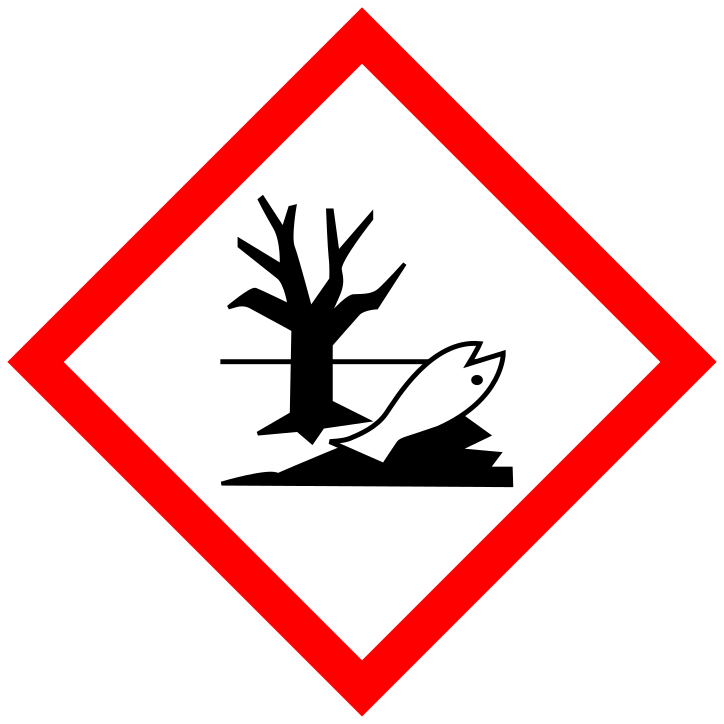
GHS09
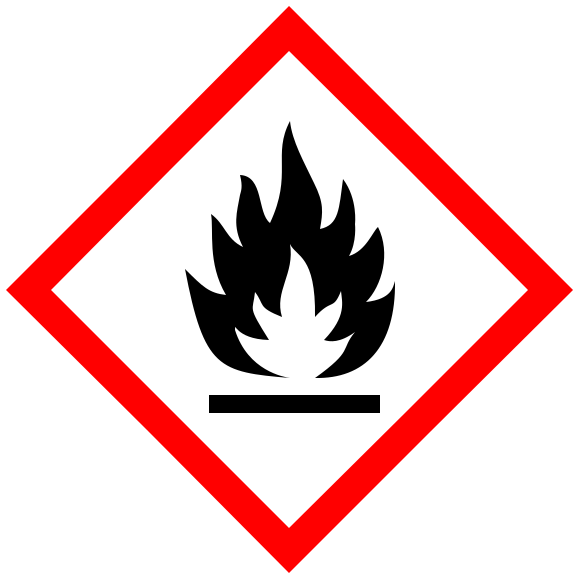
GHS02
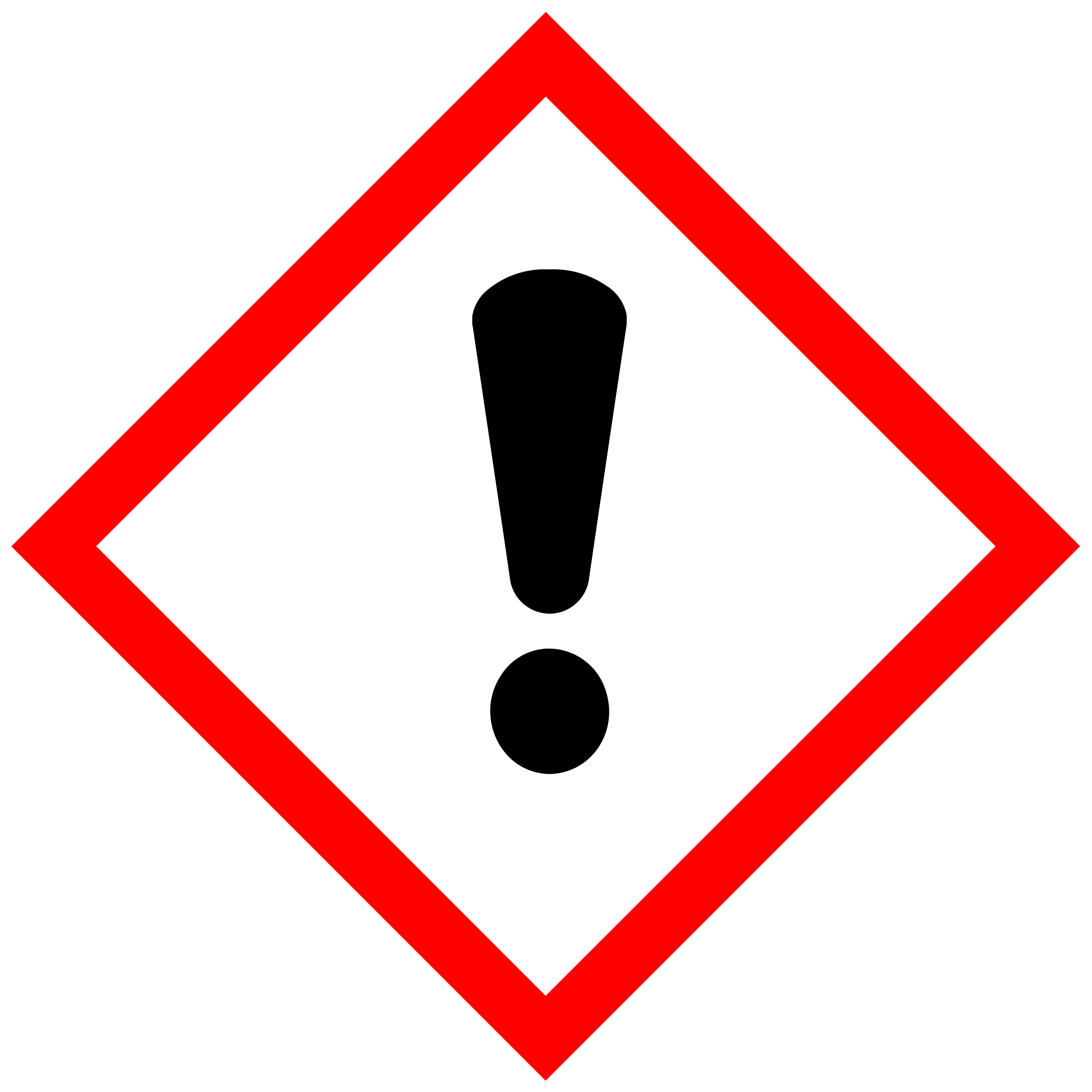
GHS07
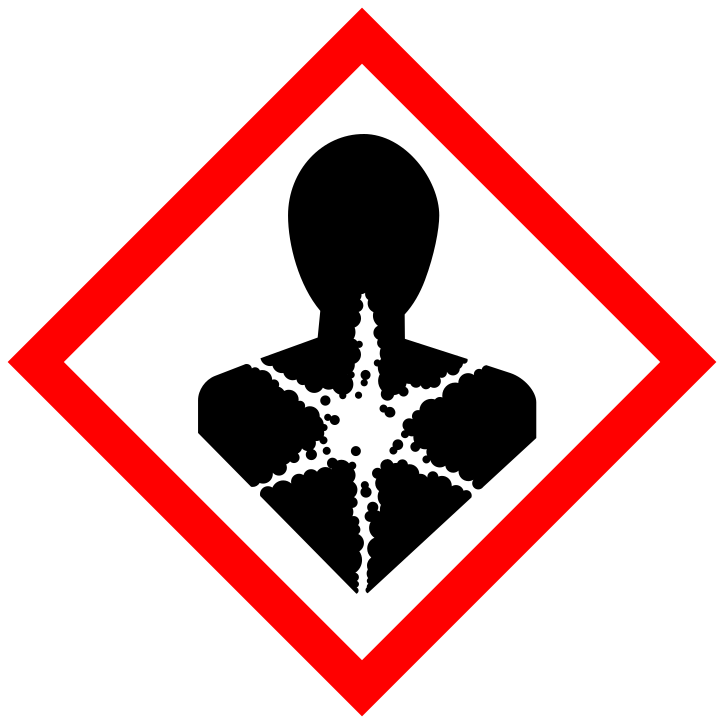
GHS08
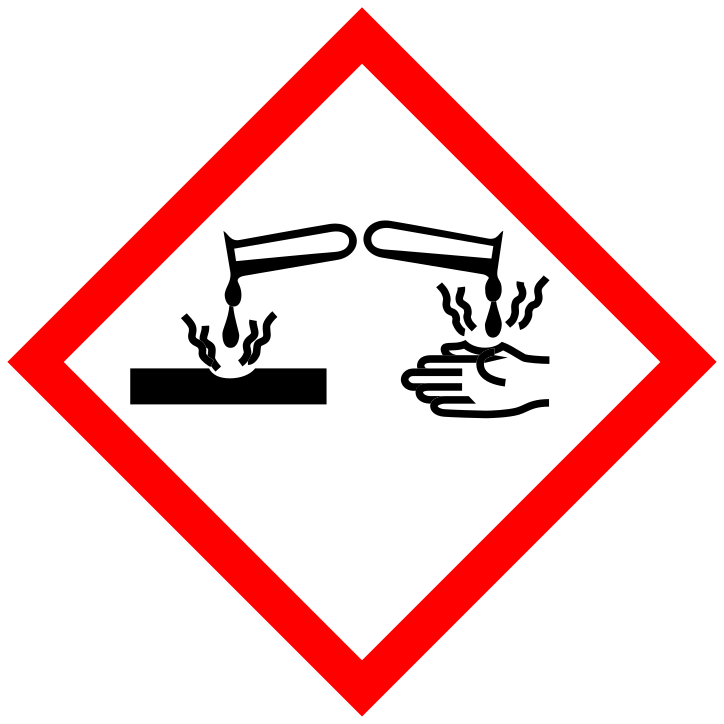
GHS05
- H335: May cause respiratory irritation [Warning Specific target organ toxicity, single exposure; Respiratory tract irritation]
- H305: May be harmful if swallowed and enters airways [Warning Aspiration hazard]
- H370: Causes damage to organs [Danger Specific target organ toxicity, single exposure]
- H319 (> 99.9%): Causes serious eye irritation [Warning Serious eye damage/eye irritation]
- H225: Highly Flammable liquid and vapor [Danger Flammable liquids]
- H336 (98.7%): May cause drowsiness or dizziness [Warning Specific target organ toxicity, single exposure; Narcotic effects]
- H400: Very toxic to aquatic life [Warning Hazardous to the aquatic environment, acute hazard]
- H361: Suspected of damaging fertility or the unborn child [Warning Reproductive toxicity]
- H373: May causes damage to organs through prolonged or repeated exposure [Warning Specific target organ toxicity, repeated exposure]
- H303: May be harmful if swallowed [Warning Acute toxicity, oral]
- H318: Causes serious eye damage [Danger Serious eye damage/eye irritation]
- H372: Causes damage to organs through prolonged or repeated exposure [Danger Specific target organ toxicity, repeated exposure]
- H410: Very toxic to aquatic life with long lasting effects [Warning Hazardous to the aquatic environment, long-term hazard]
- H313: May be harmful in contact with skin [Warning Acute toxicity, dermal]
Precautionary statement codes: P210, P233, P240, P241, P242, P243, P261, P264+P265, P271, P280, P303+P361+P353, P304+P340, P305+P351+P338, P319, P337+P317, P370+P378, P403+P233, P403+P235, P405, P501, P203, P260, P264, P270, P308+P316, P318, P321, P301+P316, P301+P317, P302+P317, P331, P273, P305+P354+P338, P317, P391
Source: PubChem, compound CID 3776, Safety and Hazards: GHS Classification
Das sortenspezifische Sicherheitsdatenblatt (SDS) — mit vollständiger Gefahreneinstufung, Handhabungshinweisen und Transportinformationen — liegt jeder Lieferung bei und ist auf Anfrage erhältlich. Prüfen Sie alle Sicherheits- und Zulassungsangaben anhand des SDS für Ihre spezifische Sorte.
SDS anfordern →
UN number source: PubChem, compound CID 3776, Transport Information. Class, packing group and proper shipping name: 49 CFR 172.101 Hazardous Materials Table. Confirm against the grade-specific SDS (Section 14) before shipping.
Isopropylalkohol (IPA, 2-Propanol, CAS 67-63-0) ist ein sekundärer Alkohol, Propan-2-ol. Er wird weit verbreitet als Lösungsmittel für Öle, Harze und Kosmetika eingesetzt, als Zwischenprodukt für die chemische Synthese sowie in Reinigungs-, Oberflächenvorbereitungs- und Frostschutzanwendungen.
Regulatorische & Zulassungsanforderungen
- TSCA (USA):
- REACH (EU):
- EC-Nummer: 200-661-7
Quelle: EPA TSCA Inventory (Release Juli 2025) · ECHA CHEM — abgerufen am 12.07.2026
Lösungen mit diesem Produkt
Prozesslösungsanleitungen auf dieser Website, die diese Chemie spezifizieren:
- Schaumbekämpfung in Spritzbrühen (Landwirtschaft)
- Schaumkontrolle in der Agrochemie-Herstellung (Landwirtschaft)
- Silikon-Entschäumer & Antischaummittel für Strahlfärbeanlagen (Textil)
Häufig gestellte Fragen
Wofür wird Isopropylalkohol (IPA) verwendet?
Isopropylalkohol (IPA, Isopropanol, CAS 67-63-0) ist ein sekundärer Alkohol (2-Propanol), der als Lösungsmittel für Öle, Harze und Kosmetika dient. Er wird auch in der Reinigung und Oberflächenvorbereitung eingesetzt, einschließlich Elektronik- und Halbleiterreinigung, als Synthesezwischenprodukt sowie als Komponente in Frostschutzmitteln.
Ist IPA ein Alkohol?
Ja. IPA ist 2-Propanol (C3H8O), ein sekundärer einwertiger Alkohol. Er sollte nicht mit dem gleichlautenden Akronym eines Bierstils verwechselt werden.
Was ist der Unterschied zwischen Isopropylalkohol und Isopropanol?
Es handelt sich um dieselbe Verbindung; Isopropanol und Isopropylalkohol sind gebräuchliche Namen für 2-Propanol (CAS 67-63-0). Bestätigen Sie Reinheit und Wassergehalt im CoA bei Bestellung einer spezifischen Qualität.
Was sind die UN-Nummer und der HS-Code für Isopropylalkohol?
IPA wird als UN 1219 (Isopropanol) versandt und unter HS 2905.12 (Propan-1-ol und Propan-2-ol) klassifiziert. Der Transport muss den geltenden DOT/IMDG-Anforderungen für UN 1219 folgen; ein SDB wird jeder Lieferung beigefügt.
Kann ich Isopropylalkohol in Großmengen bestellen?
RawSource beliefert Hersteller mit IPA in Großmengen in Fässern, Totes und IBCs. Fordern Sie ein Großmengenangebot mit Ihrem Zielvolumen und der gewünschten Qualität sowie CoA und SDB an.
Was ist der REACH- und TSCA-Regulierungsstatus von Isopropylalkohol (IPA, Isopropanol)?
Isopropylalkohol (IPA, Isopropanol) (CAS 67-63-0) unterliegt den Anforderungen des U.S. TSCA Inventory; die Lieferung in die EU erfordert eine gültige REACH-Registrierung ((EG) Nr. 1907/2006). RawSource kann die Registrierungen eines Drittlieferanten nicht verifizieren — Käufer sollten für ihren Zuständigkeitsbereich und ihr Volumen dokumentierte TSCA- und REACH-Konformität verlangen (EC 200-661-7).